
In Collaboration With


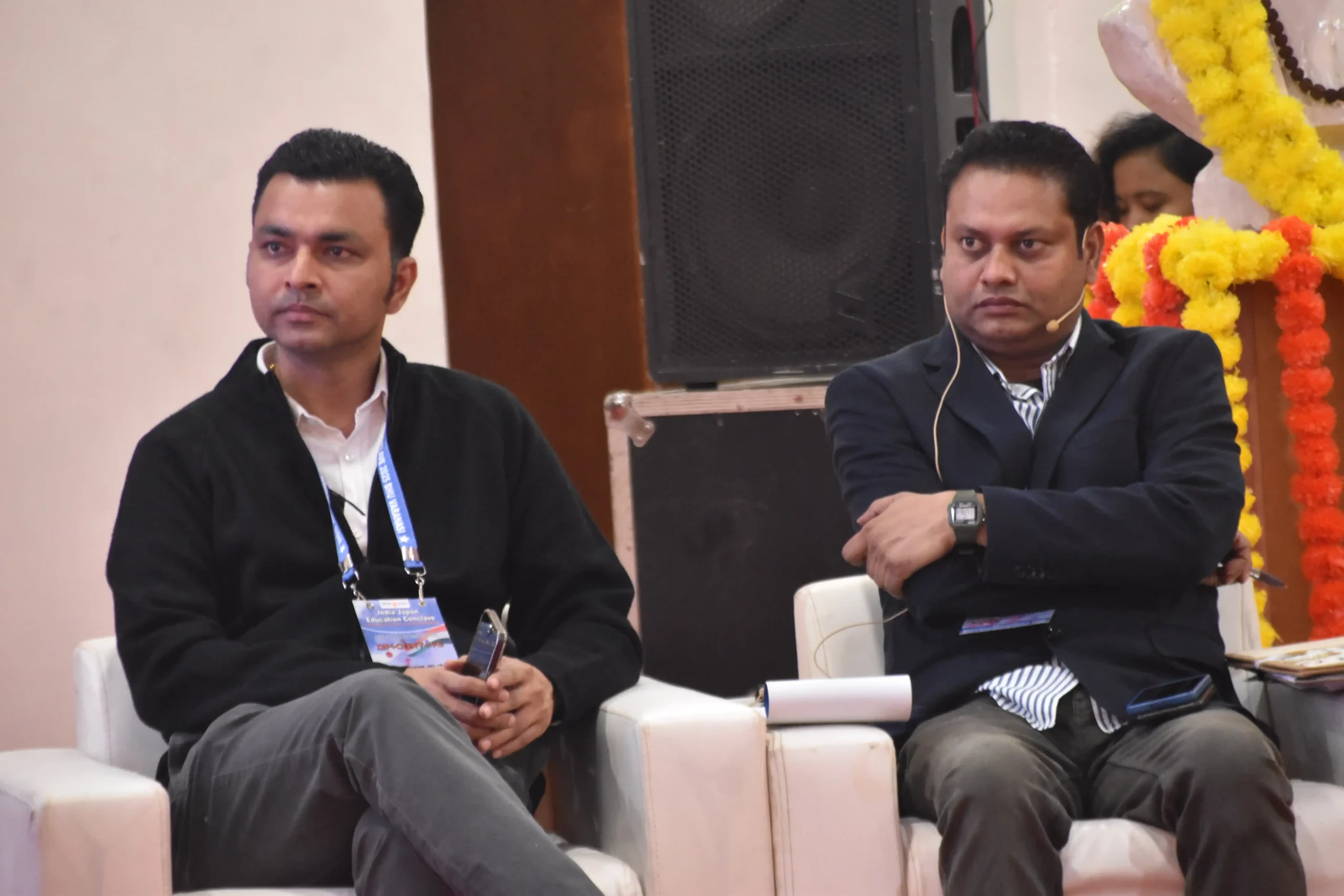
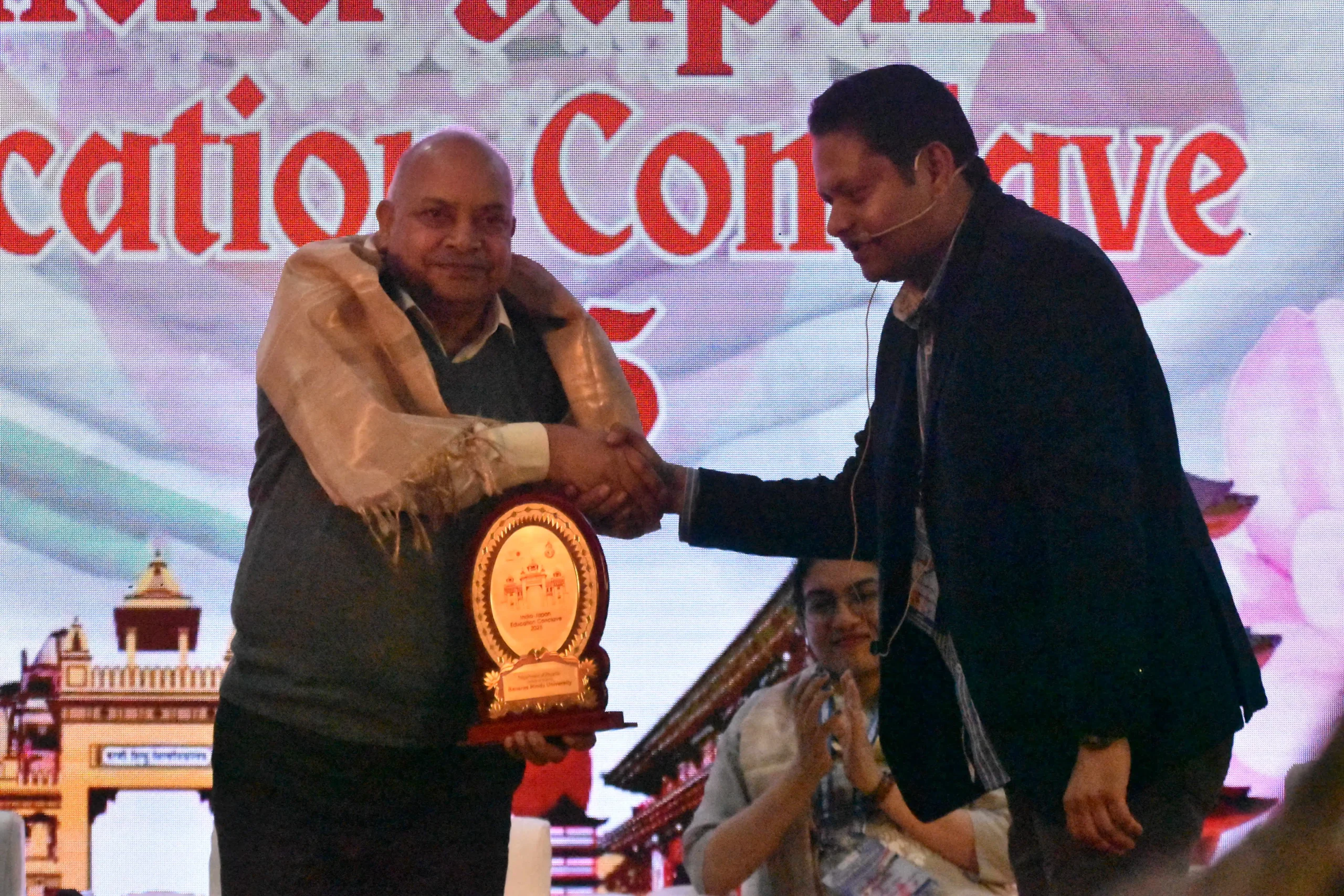
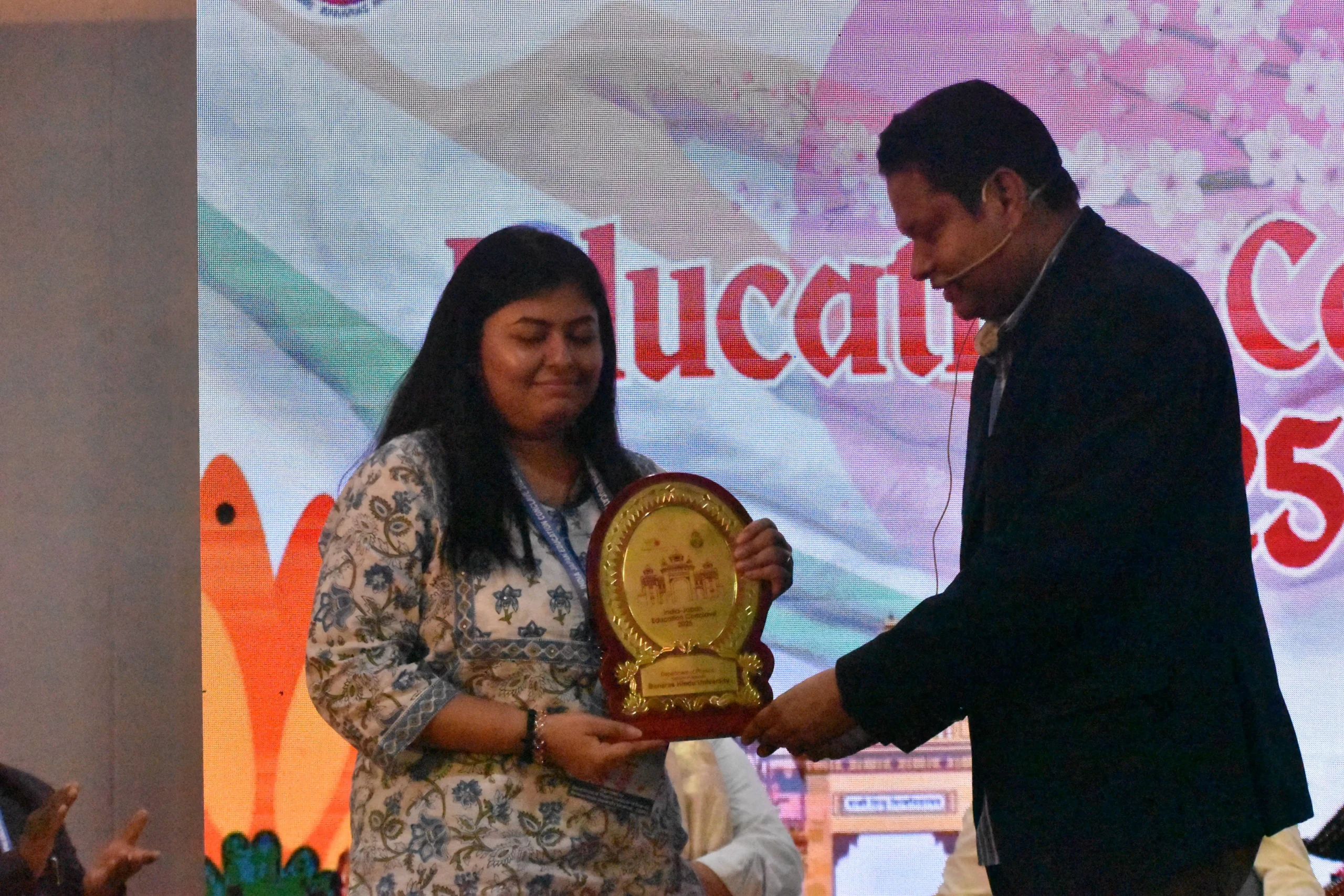
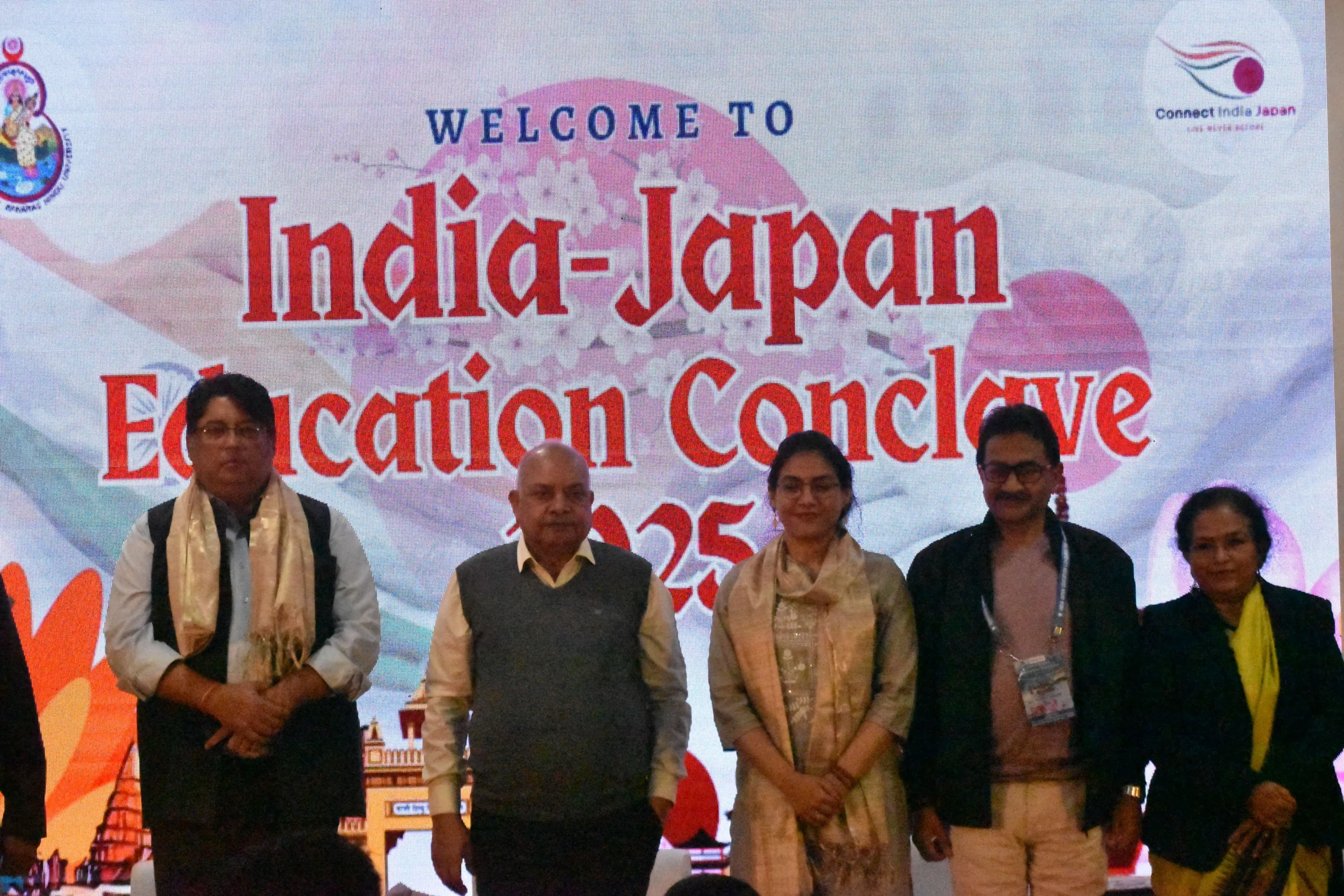
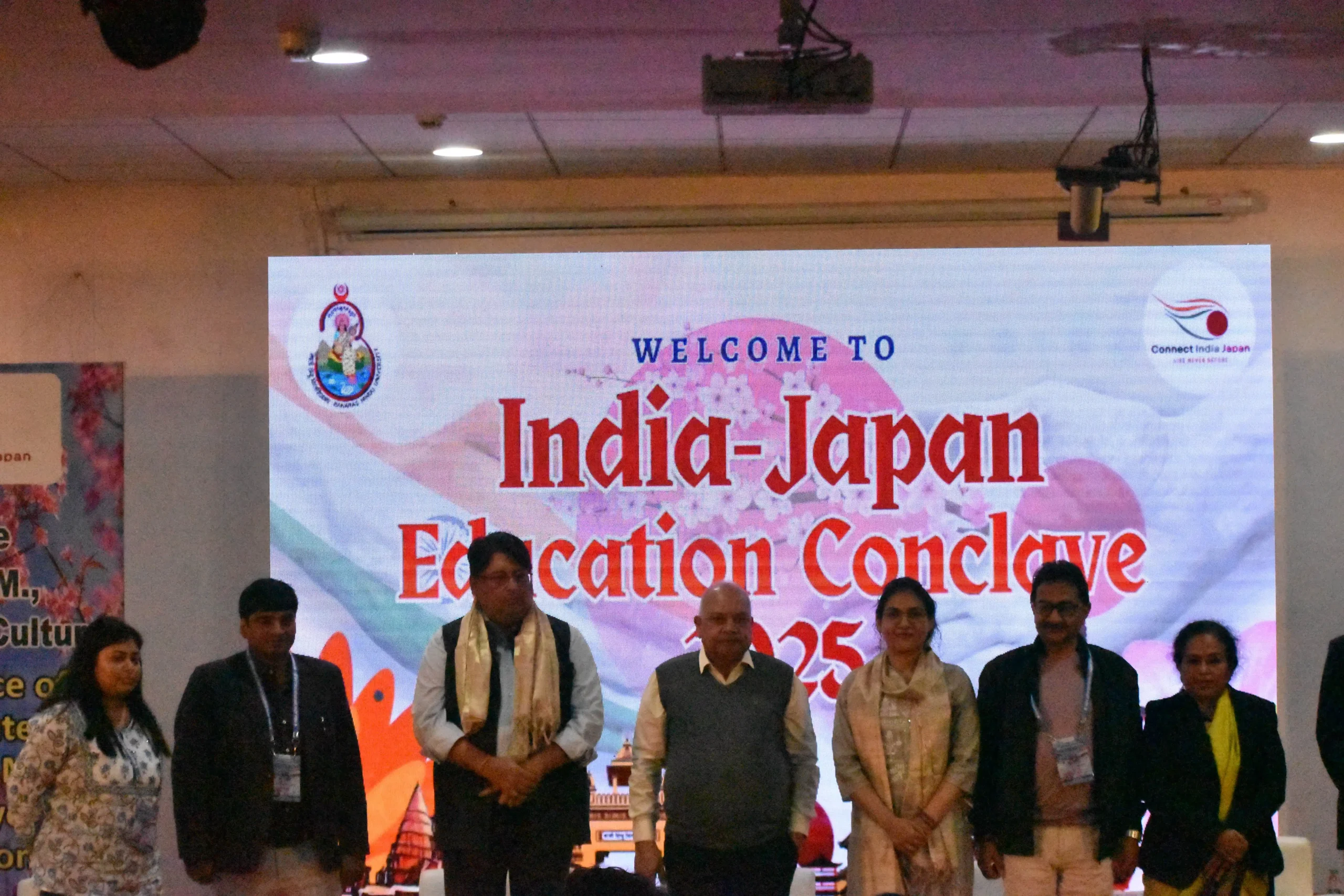
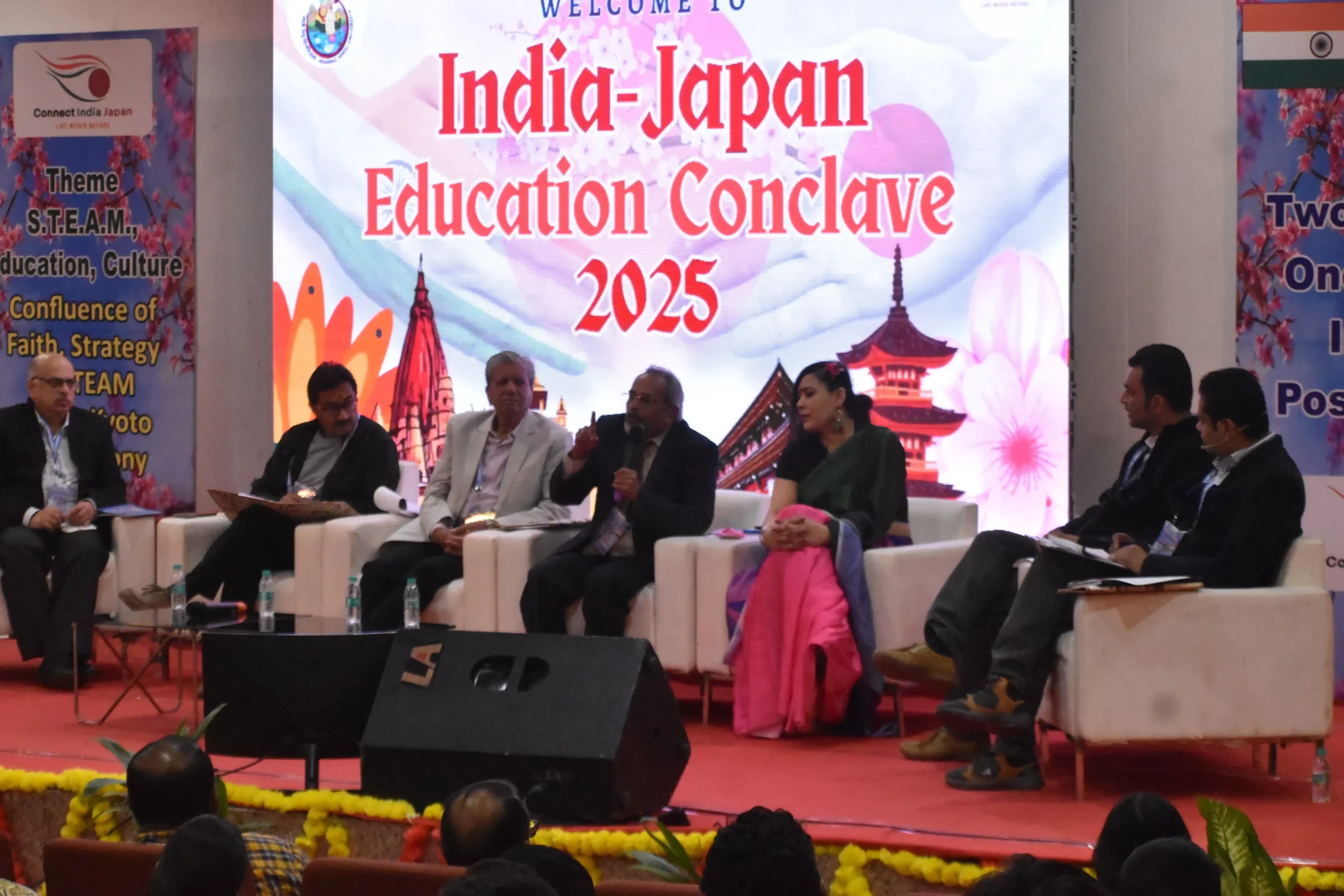
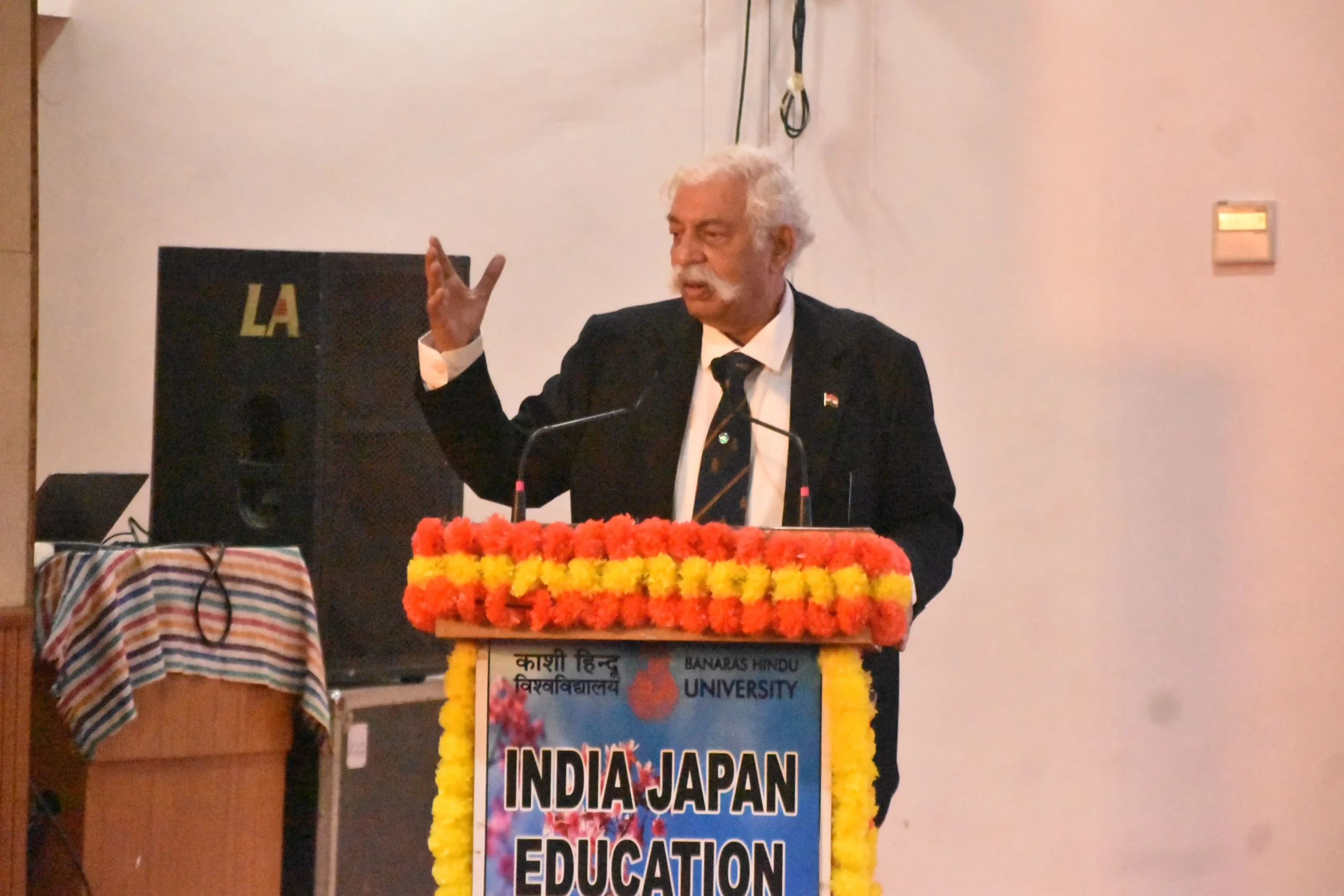
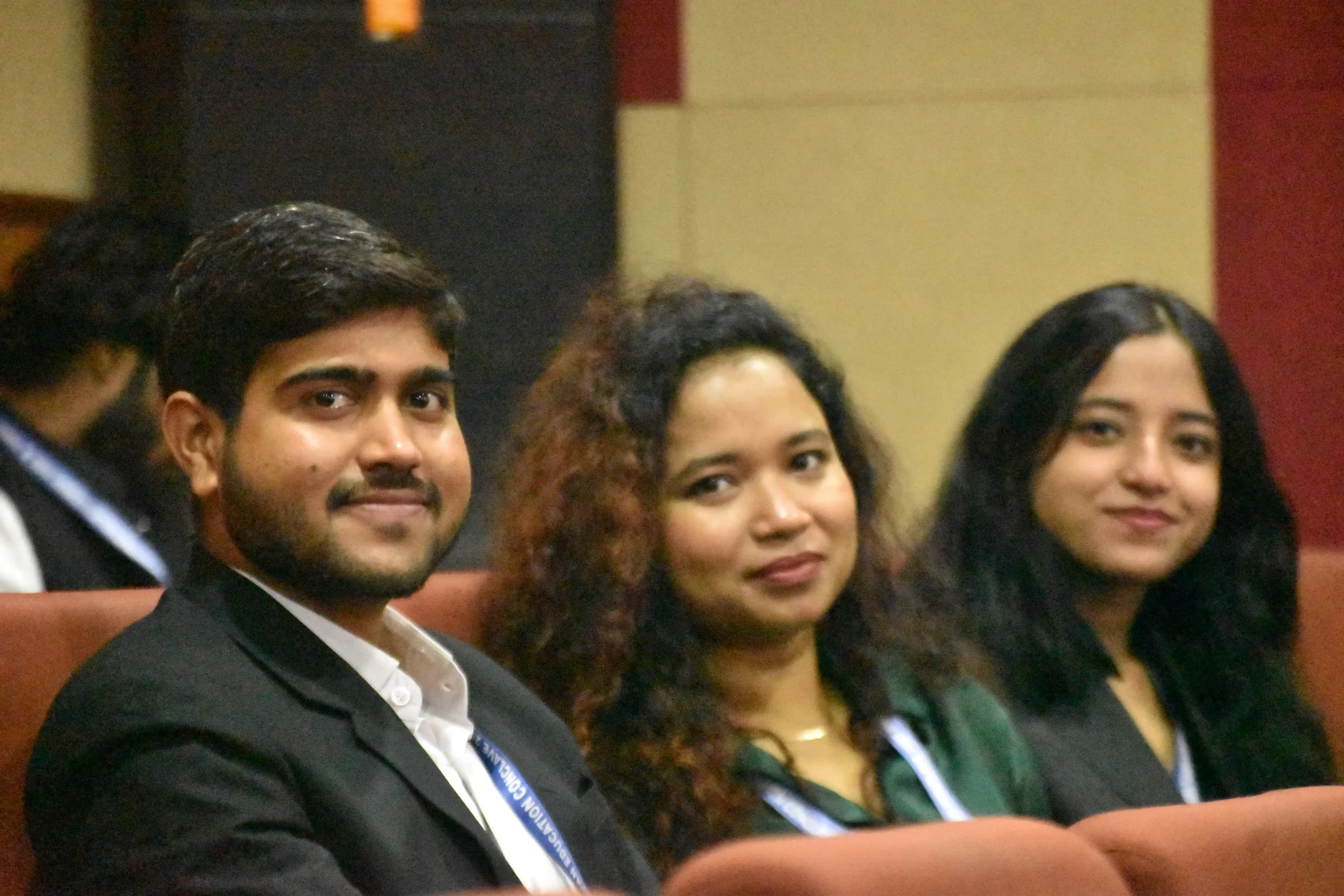
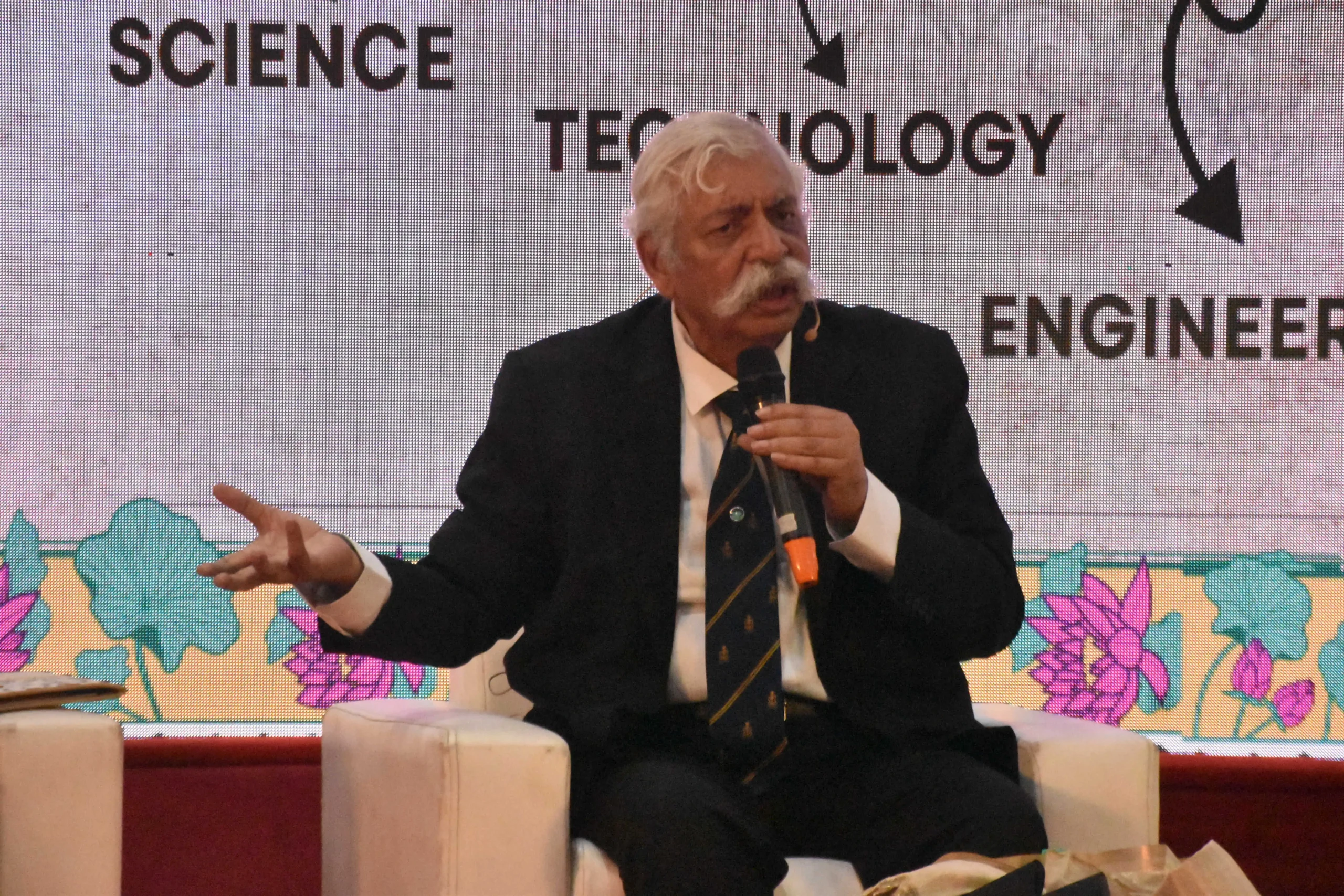
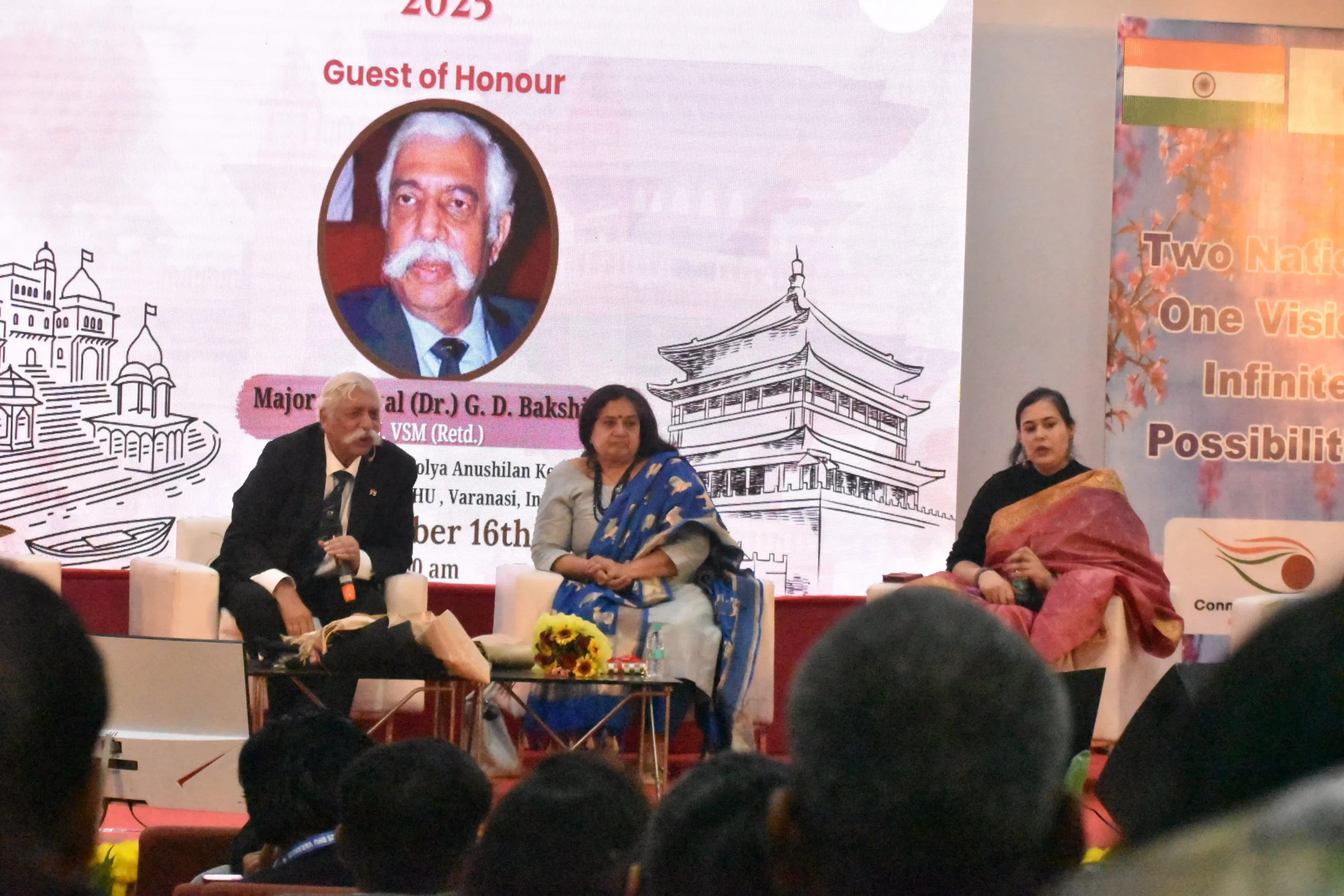
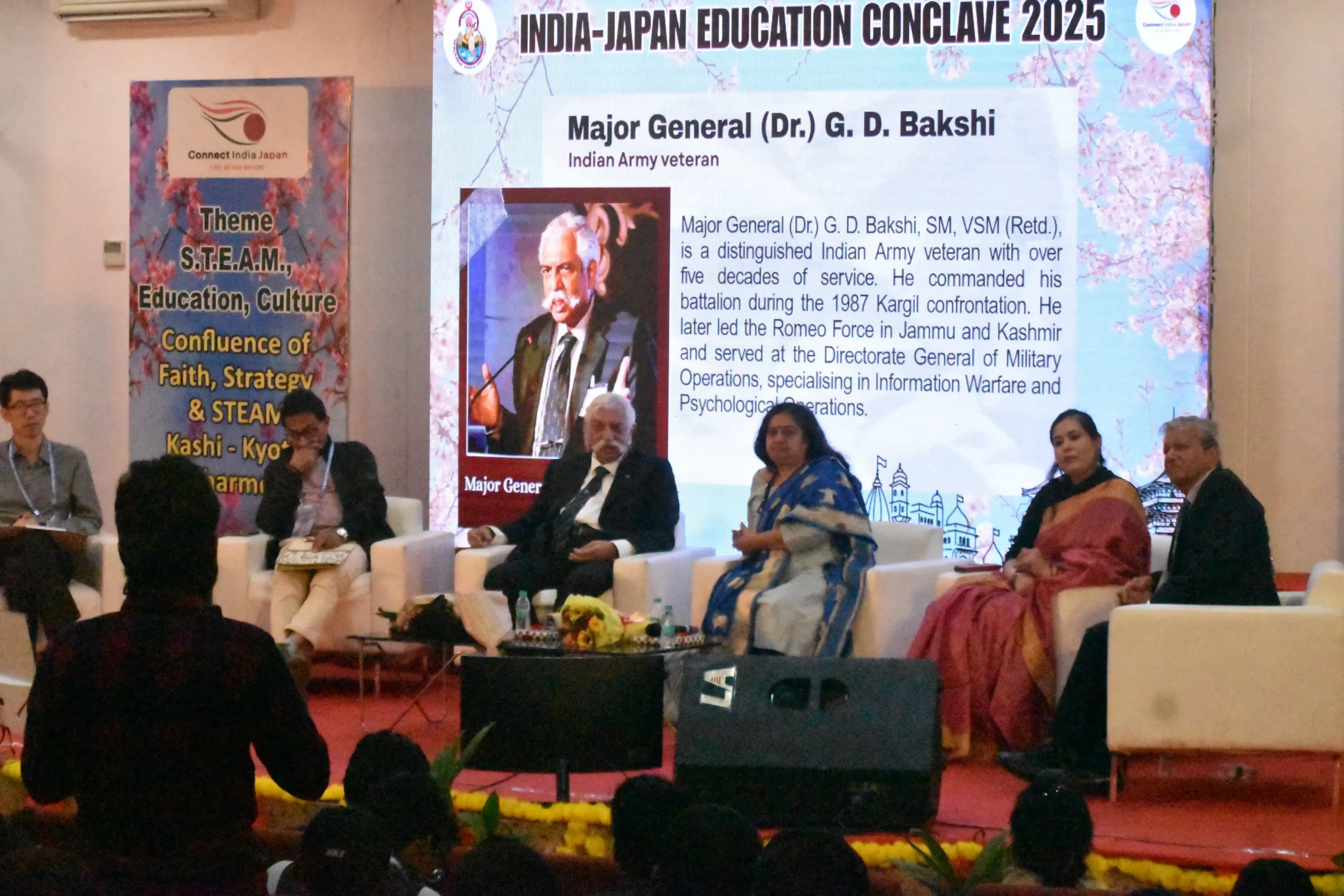
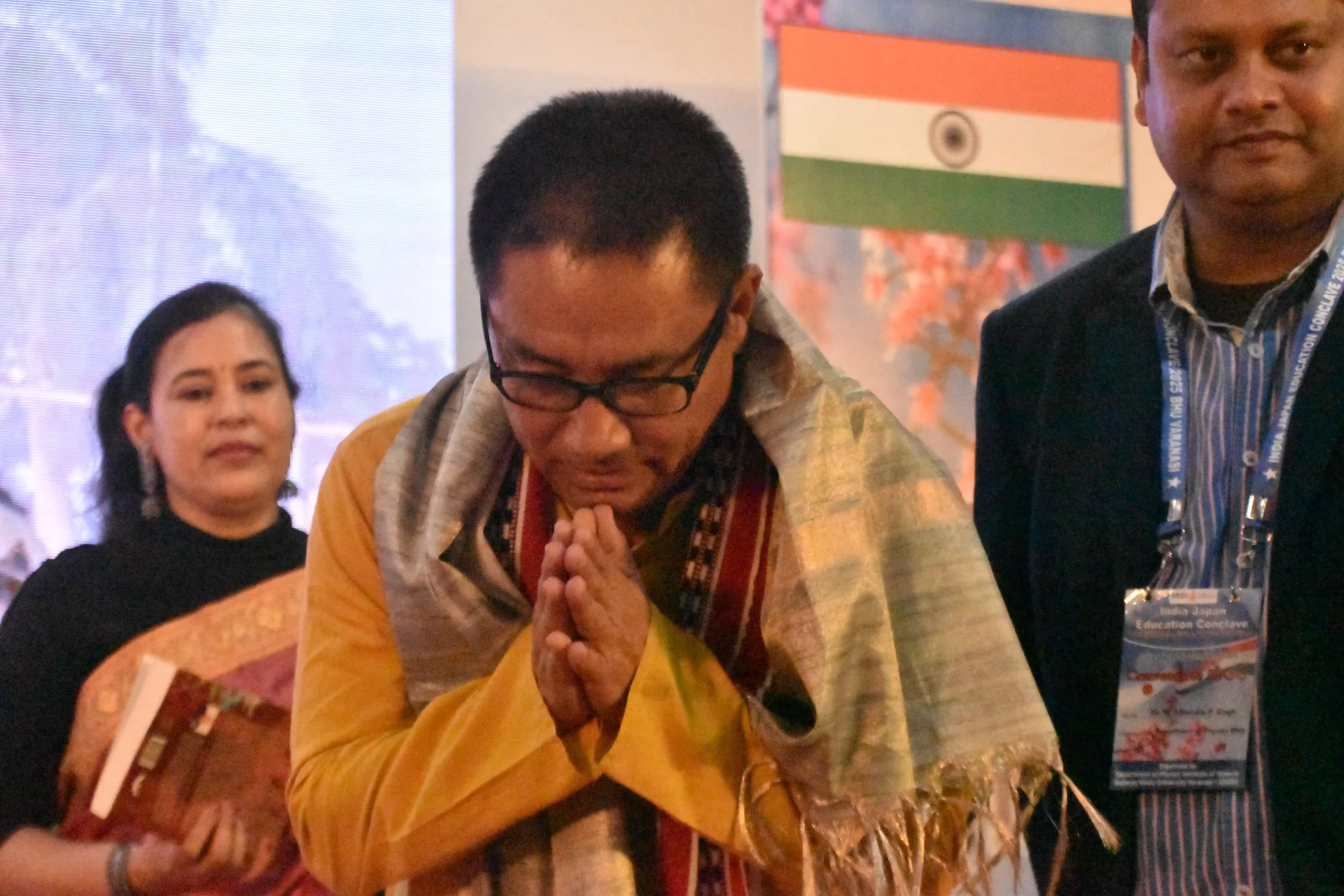
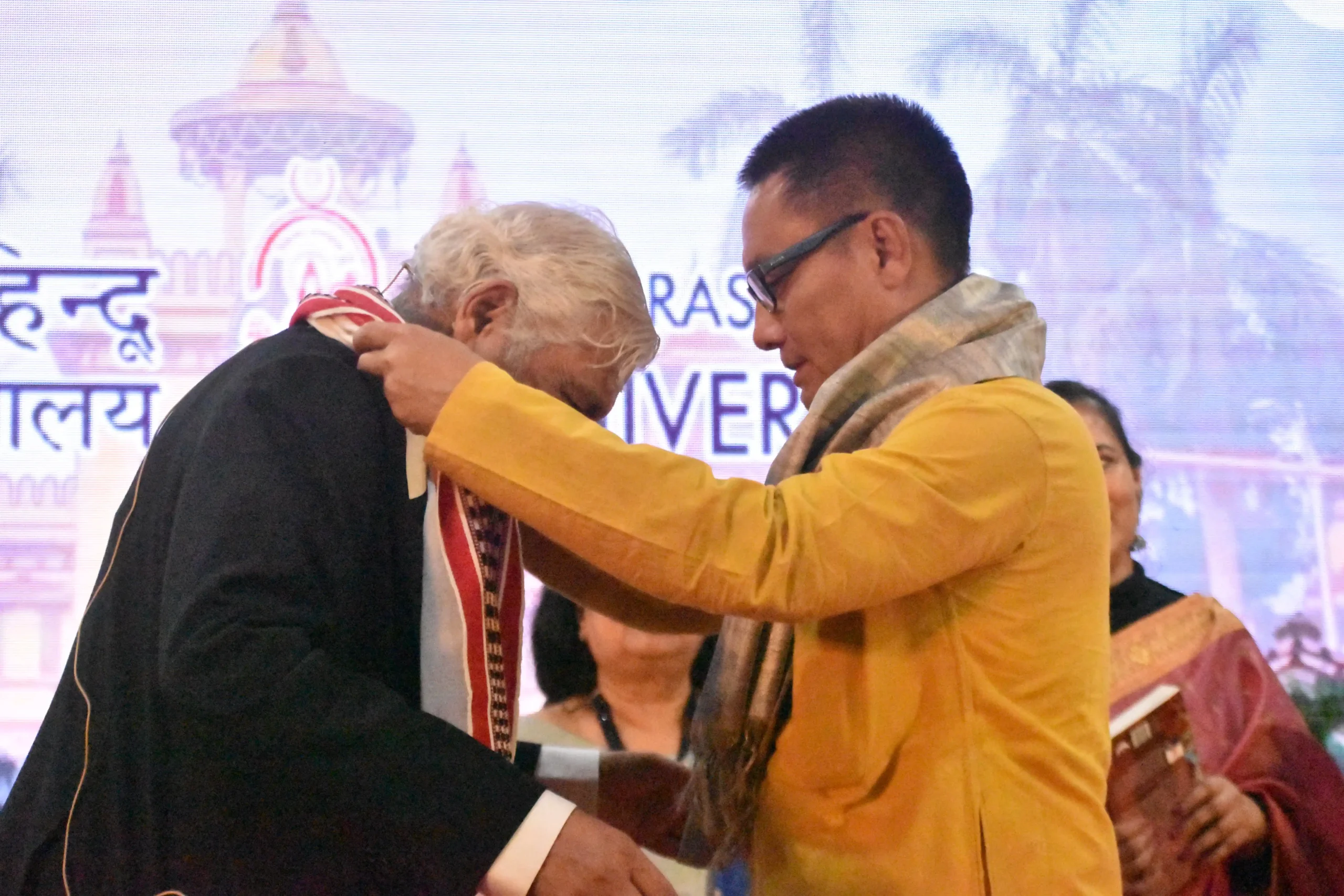
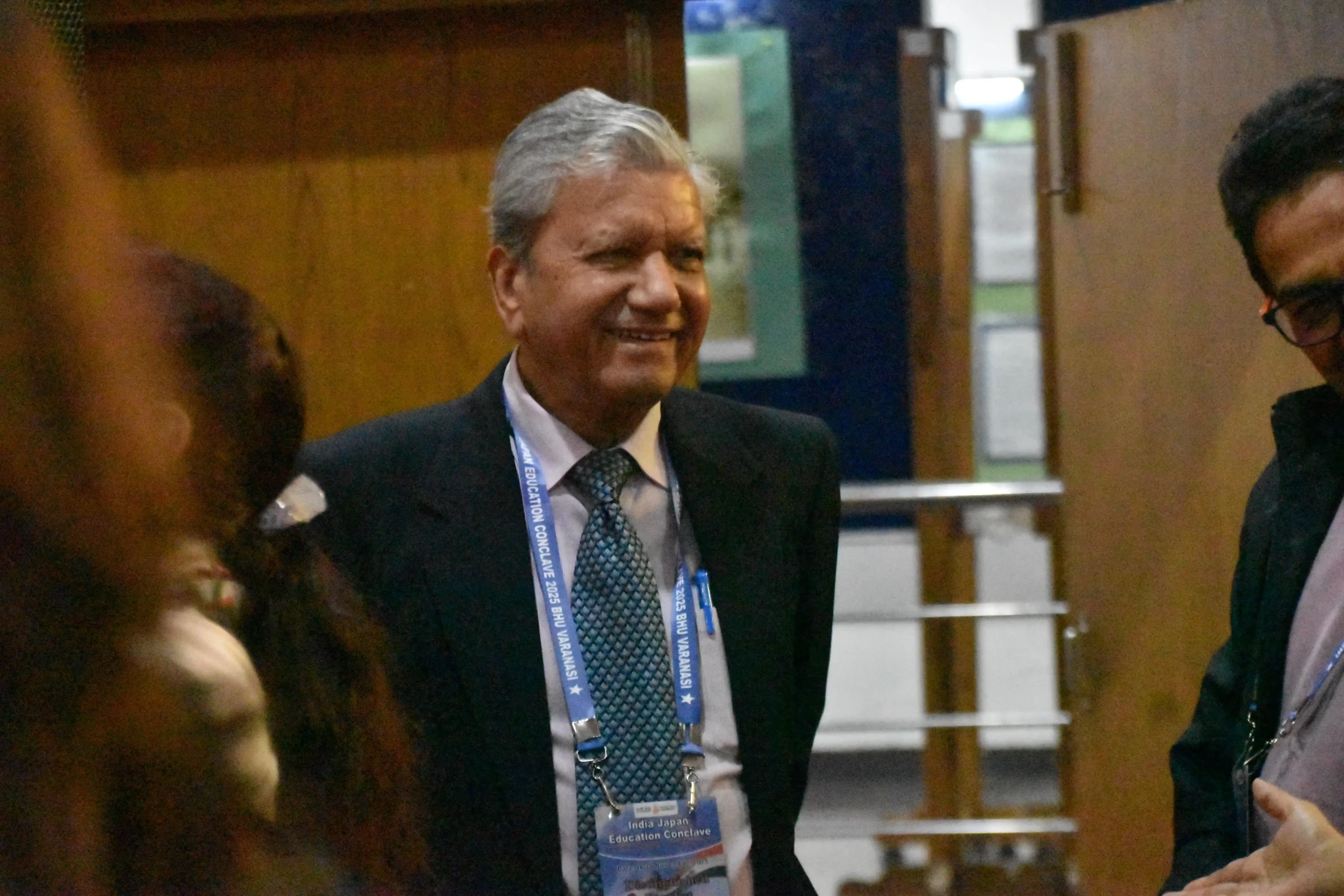
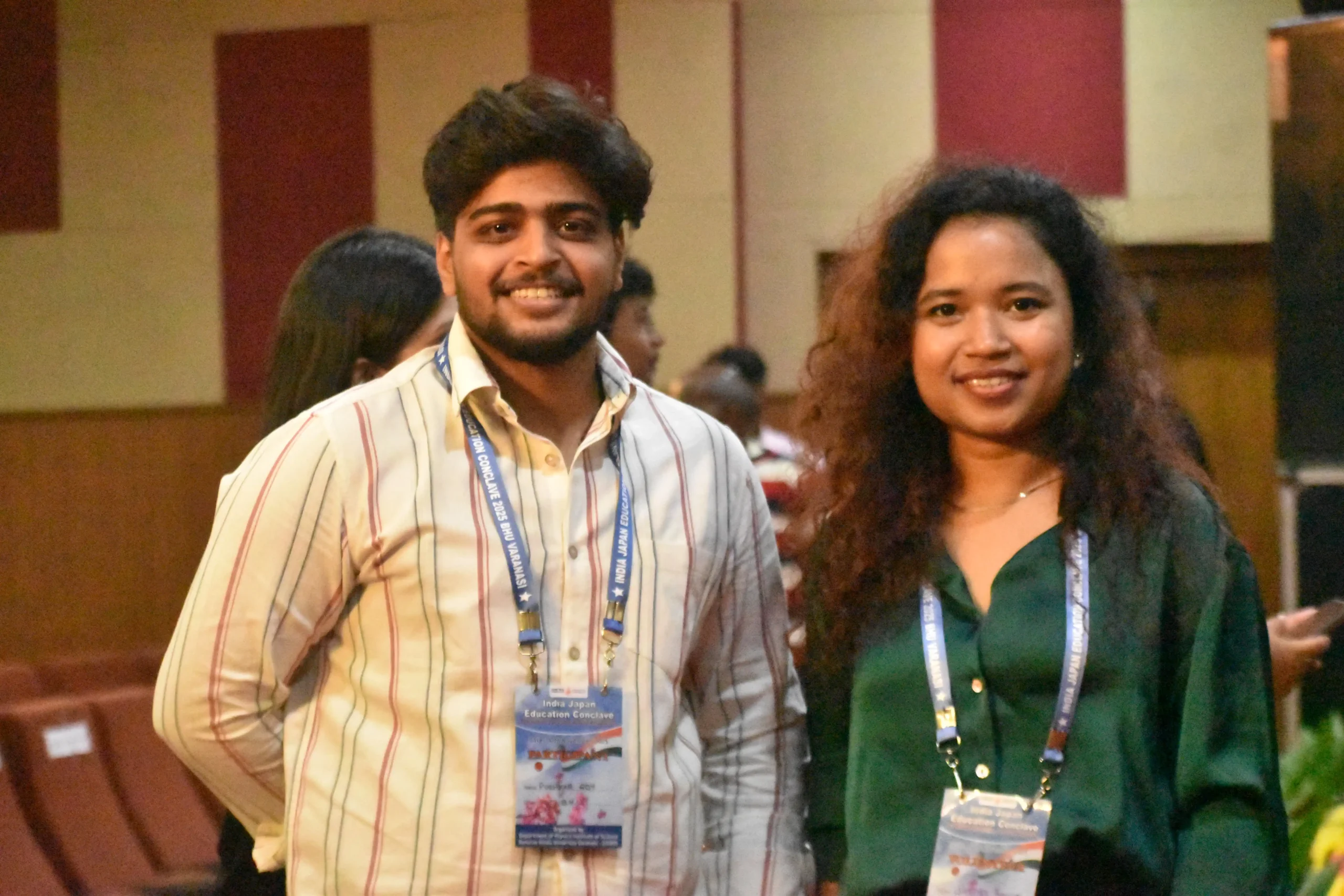
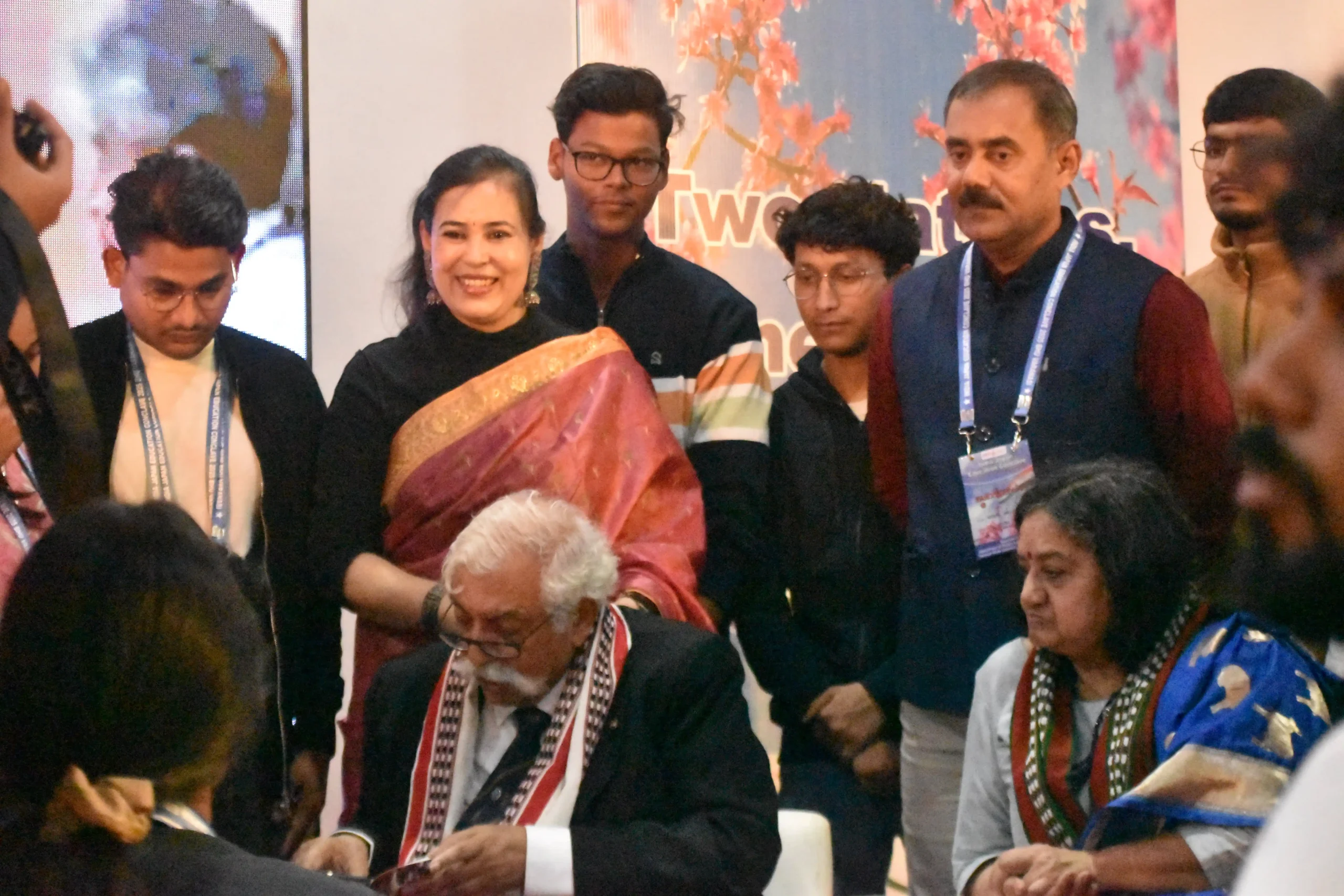
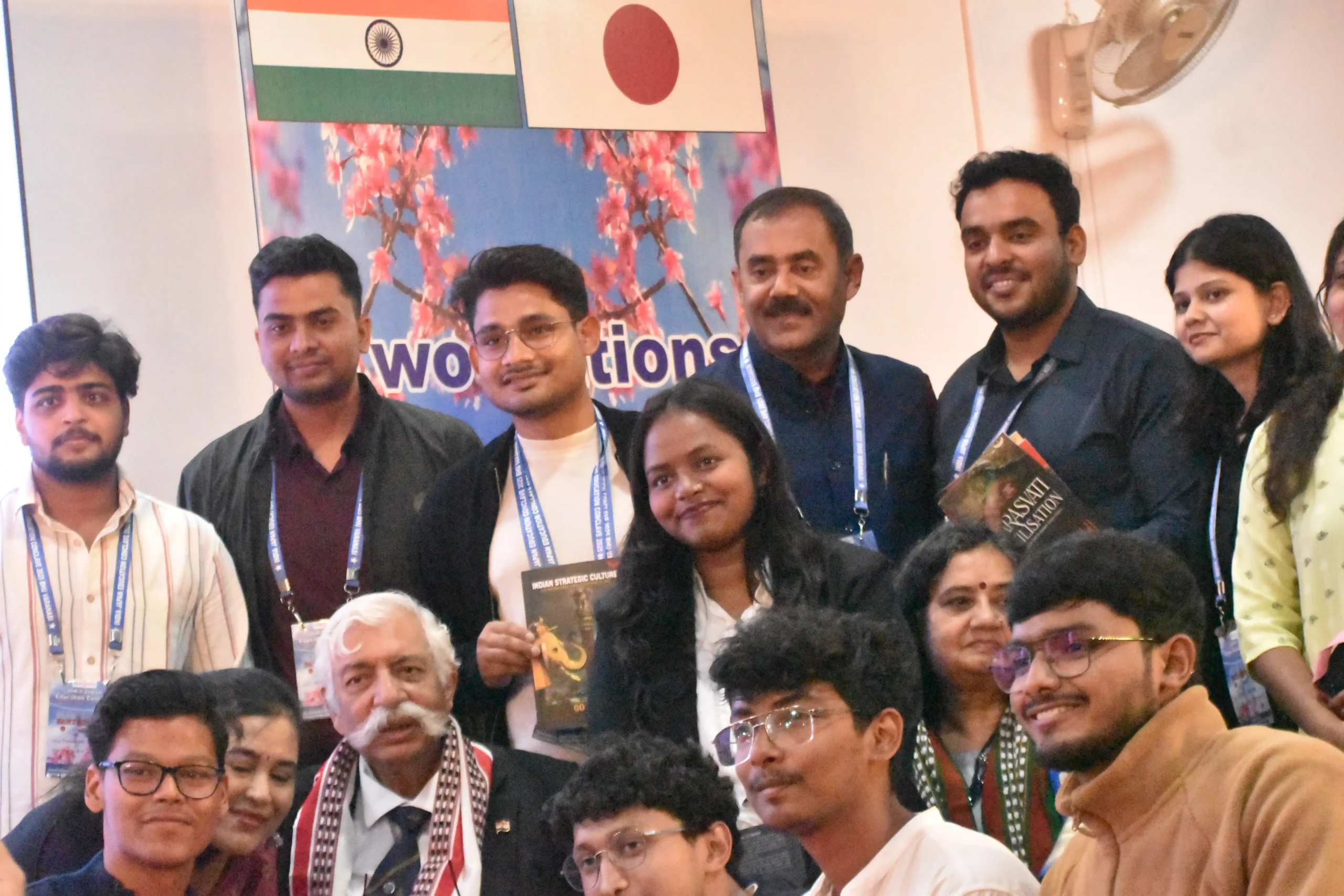
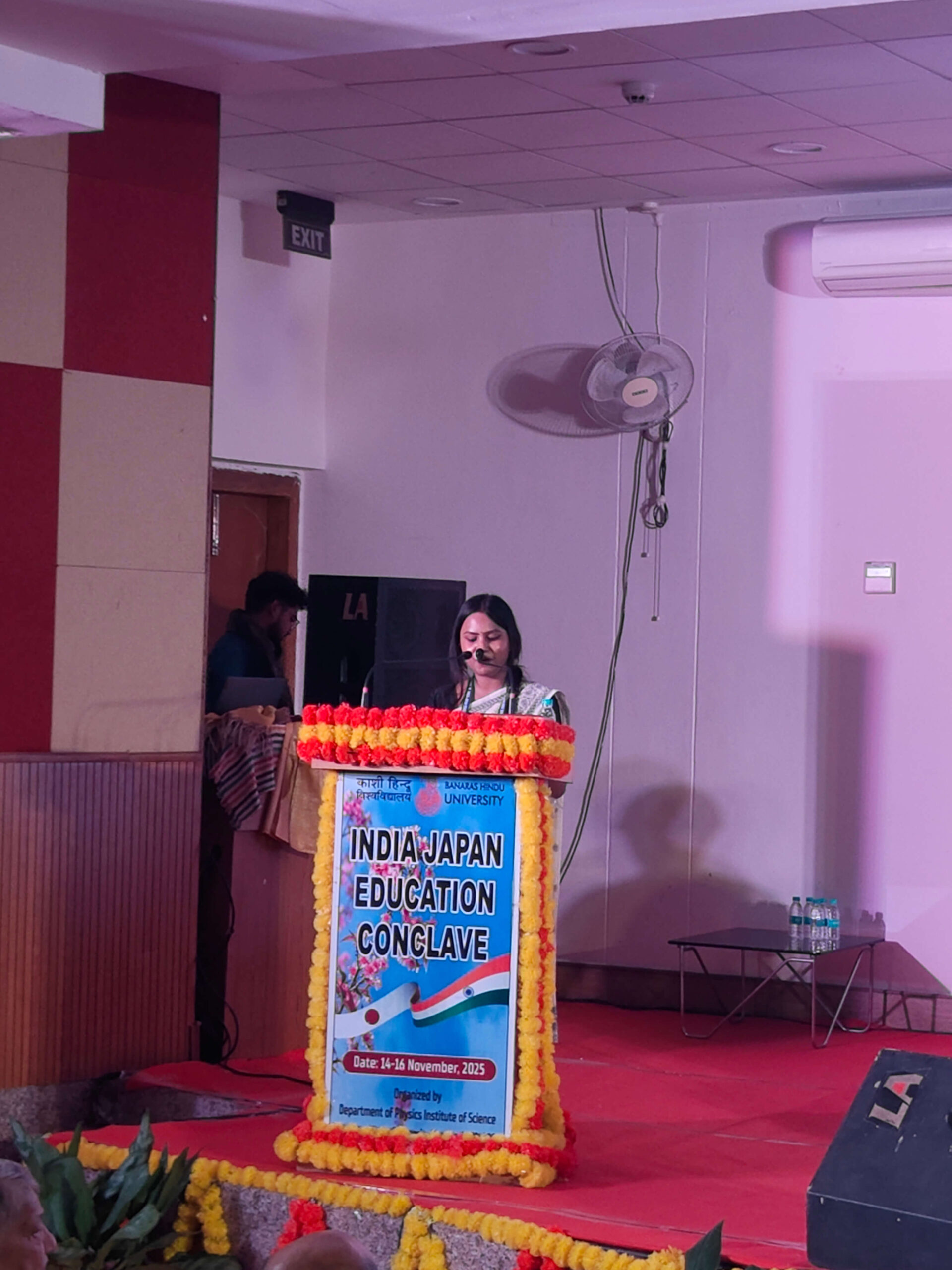
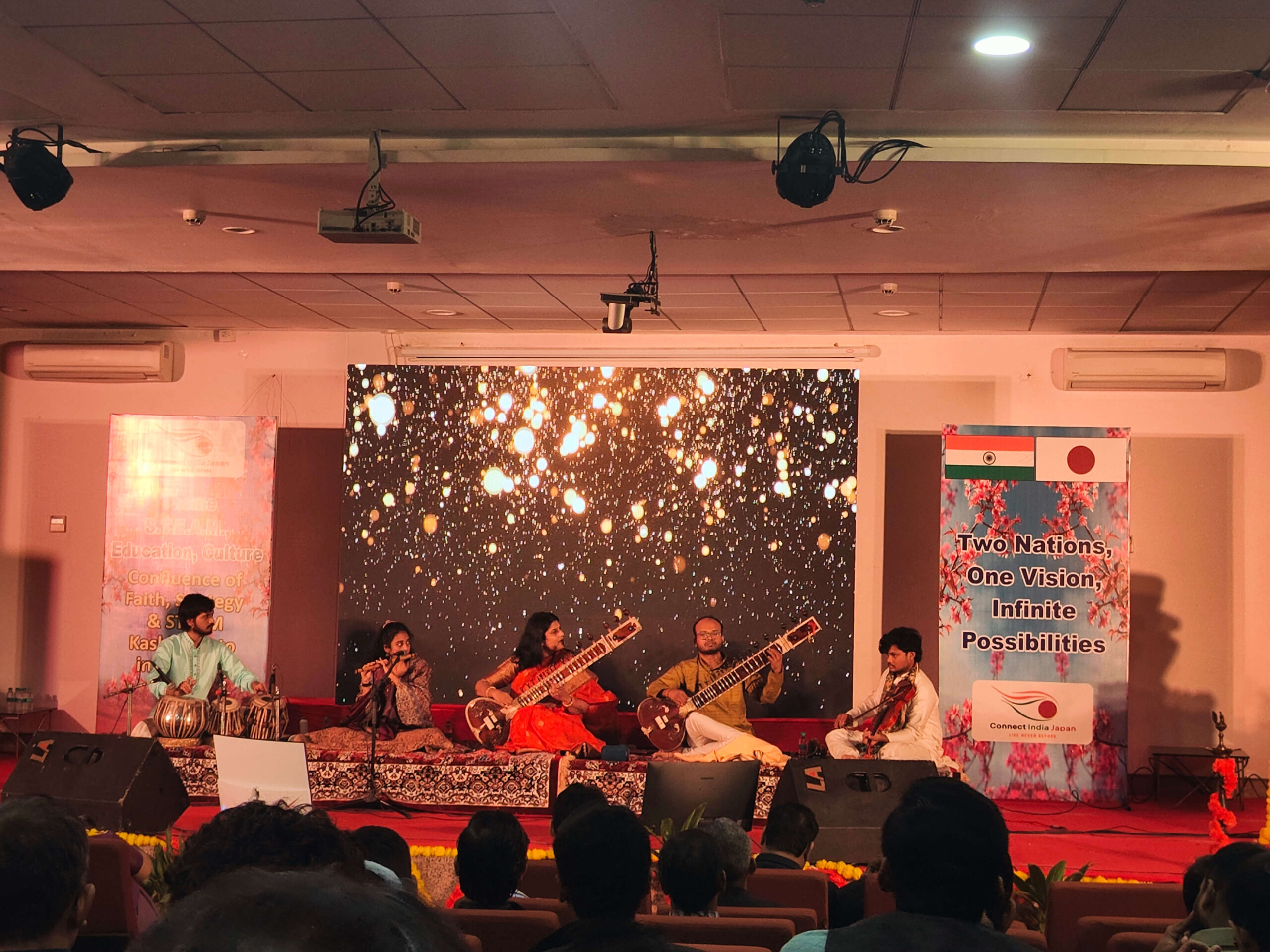
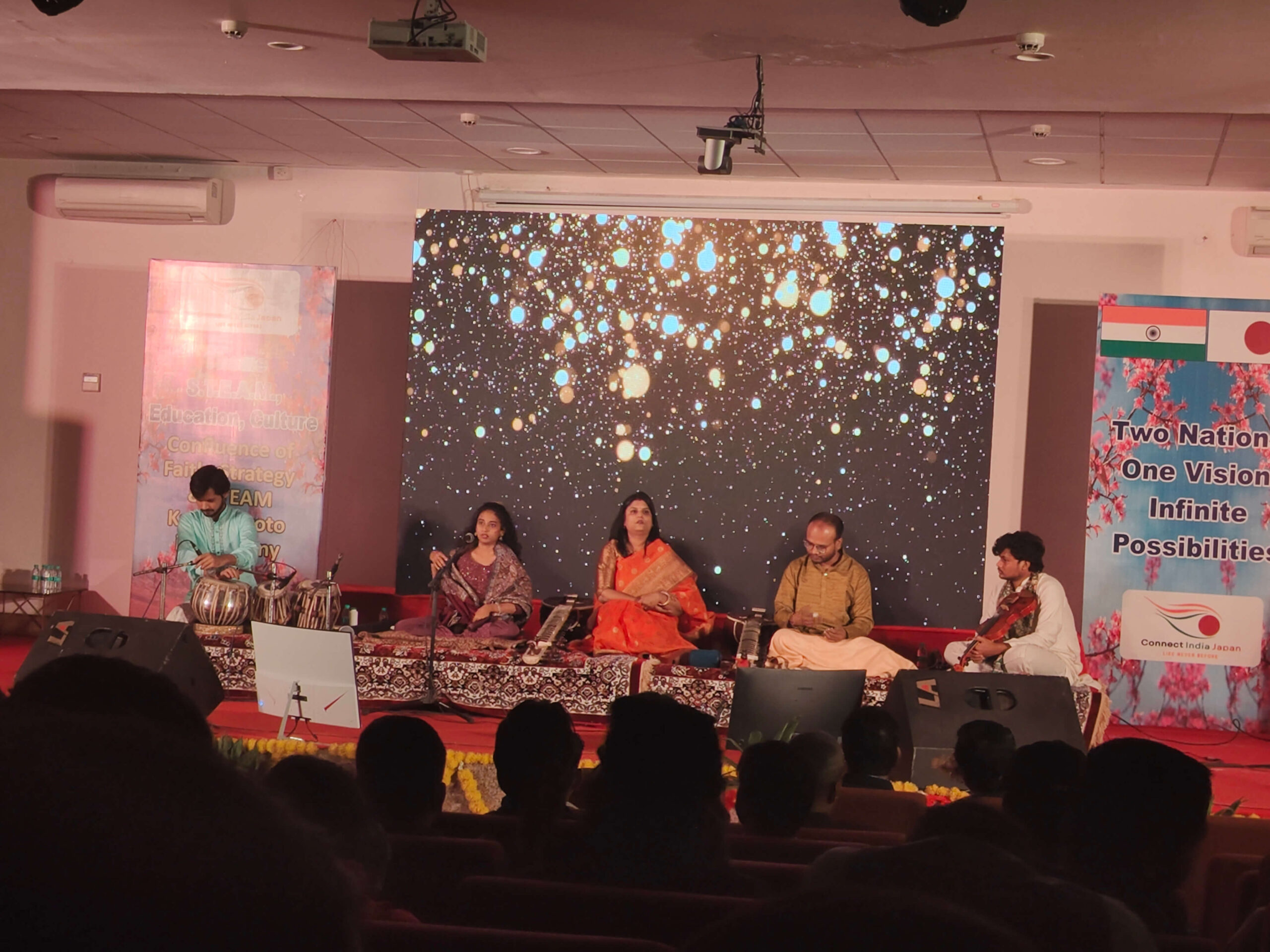
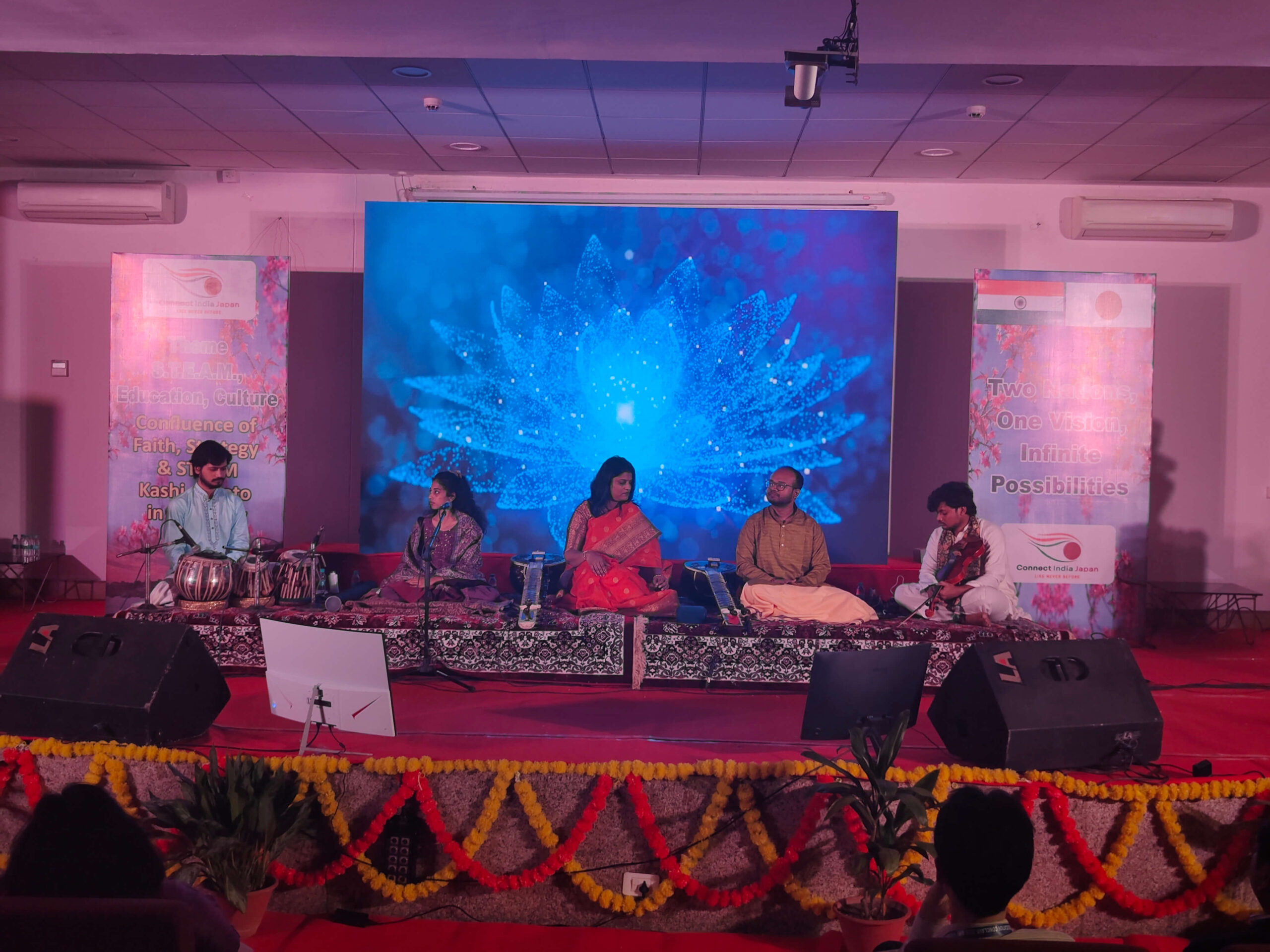
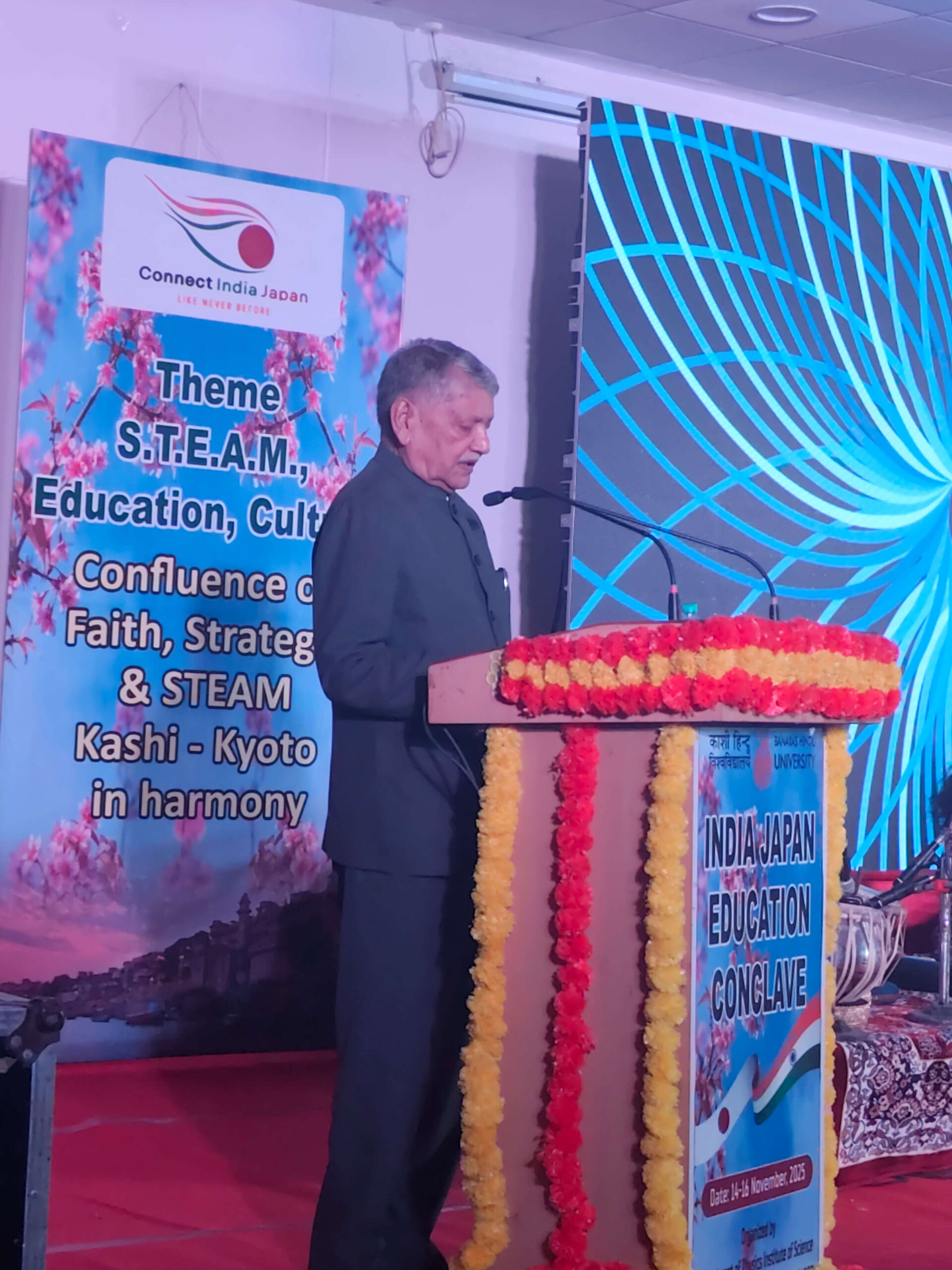
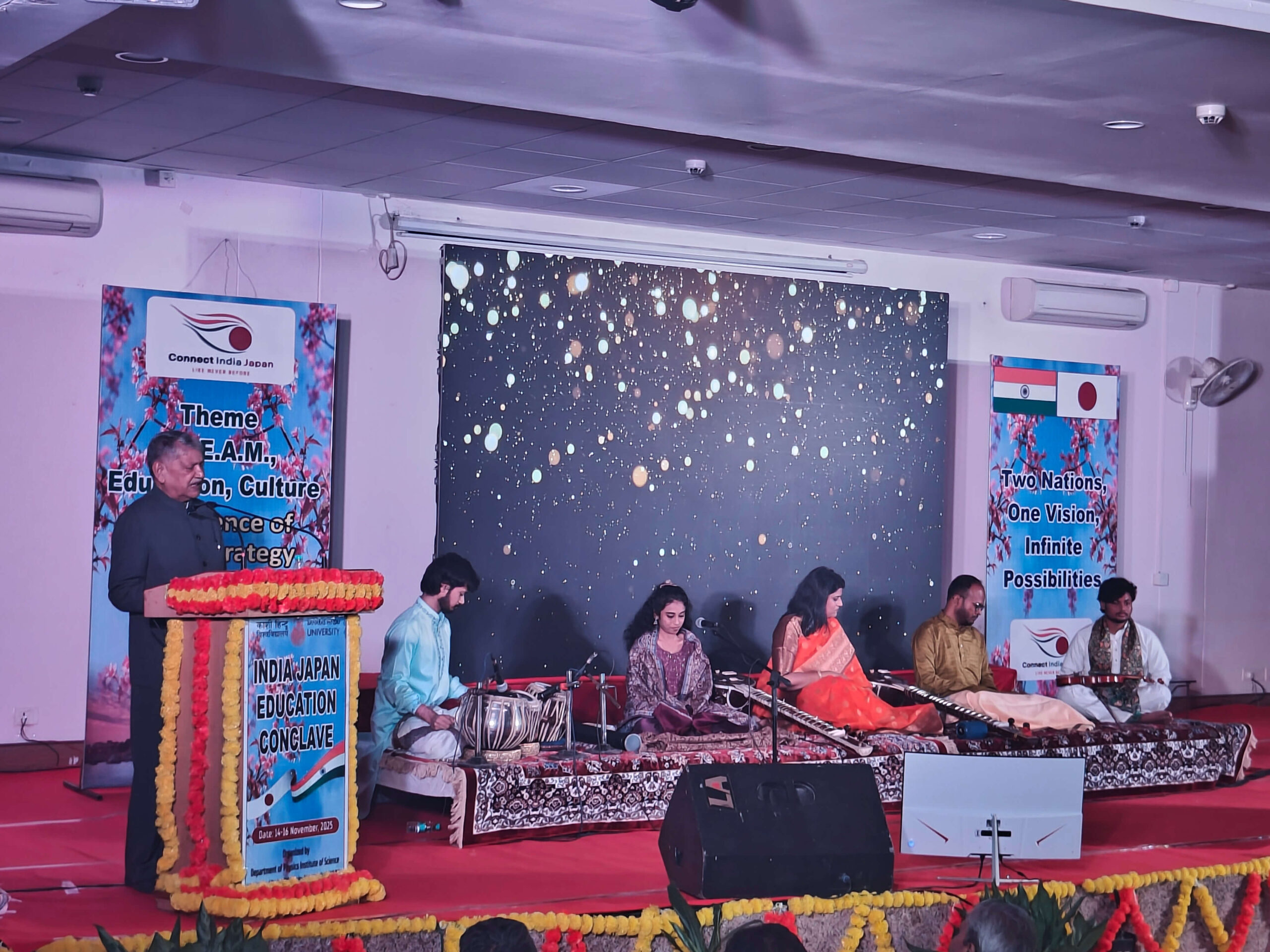
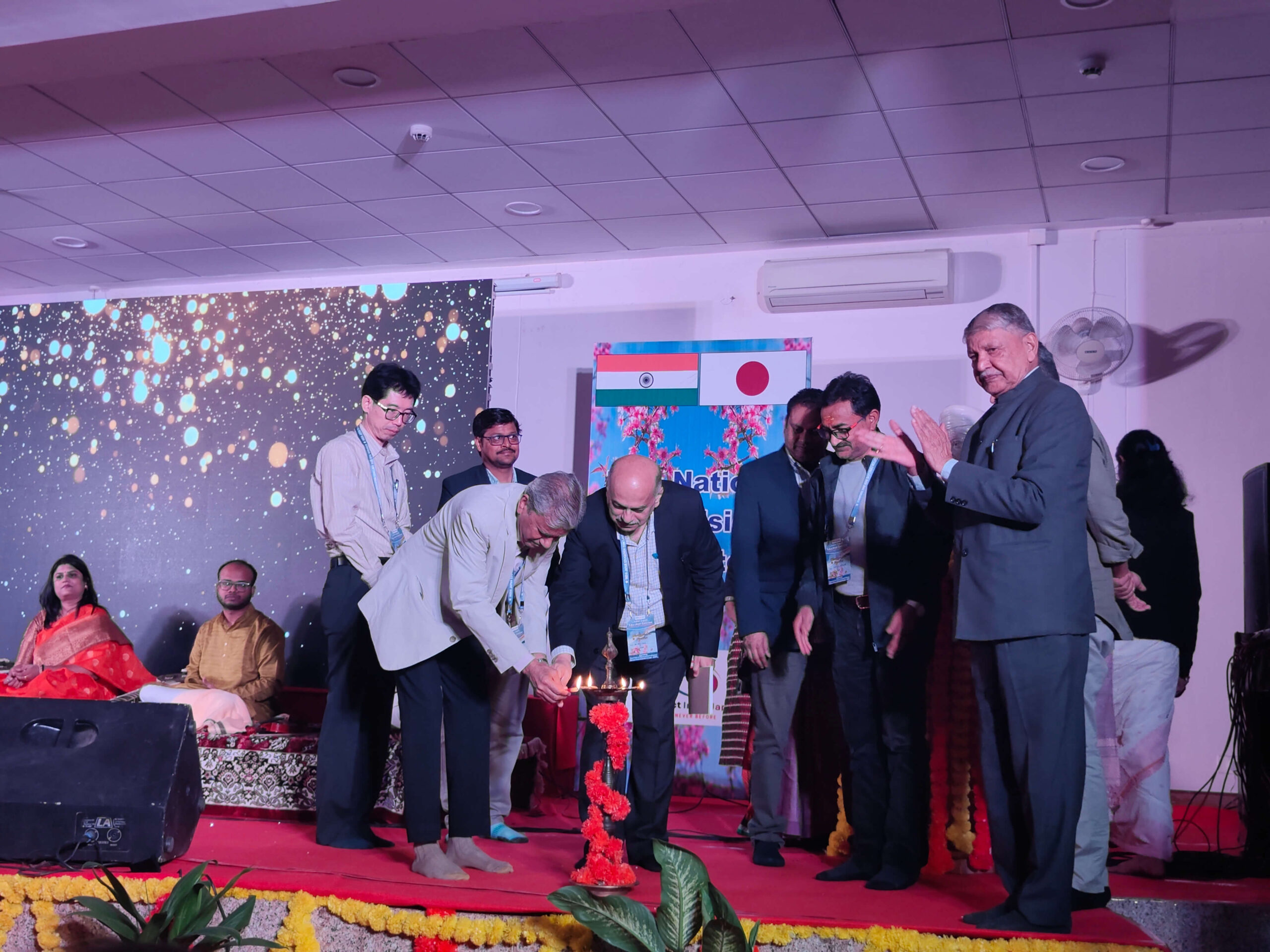
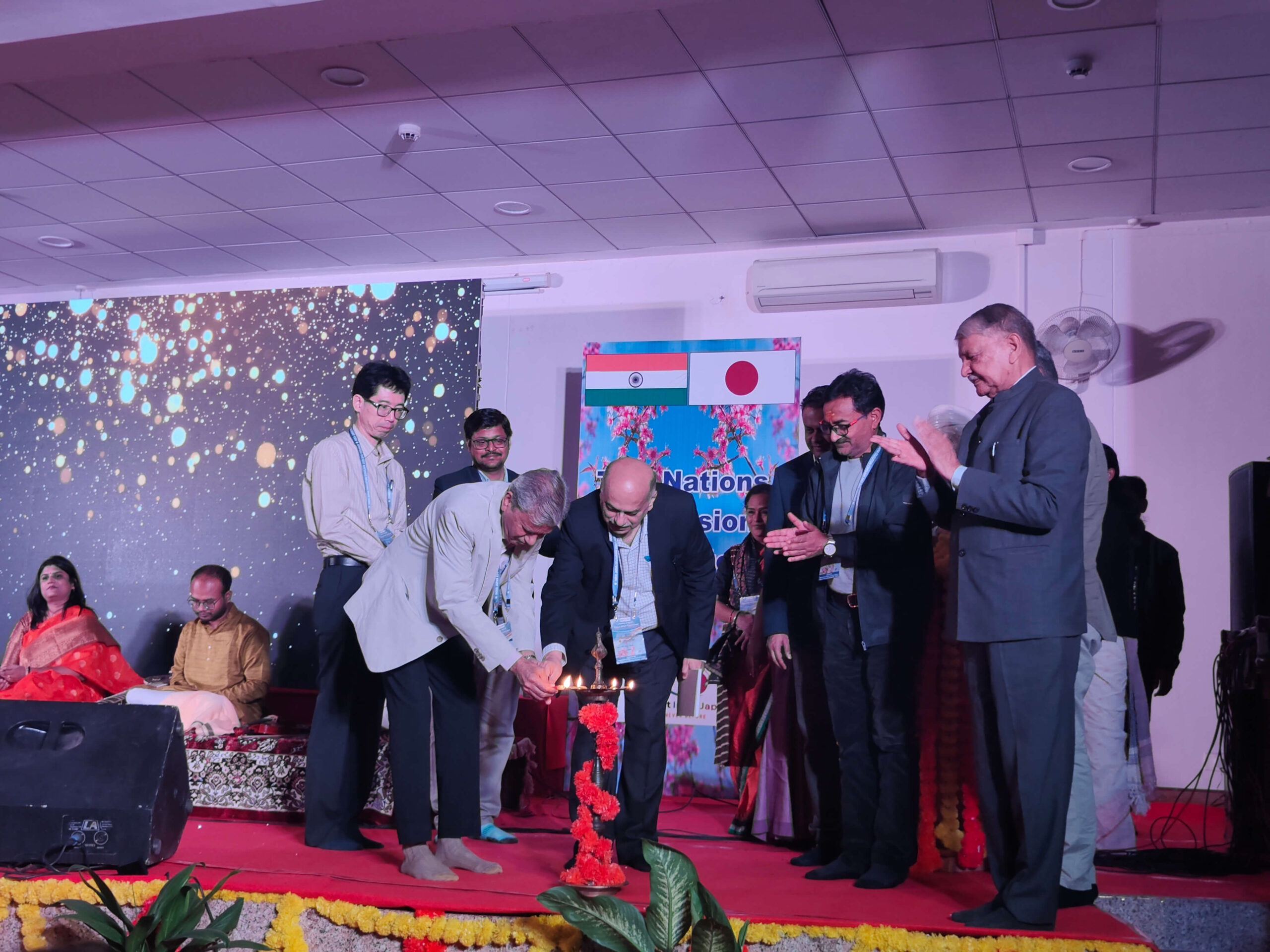
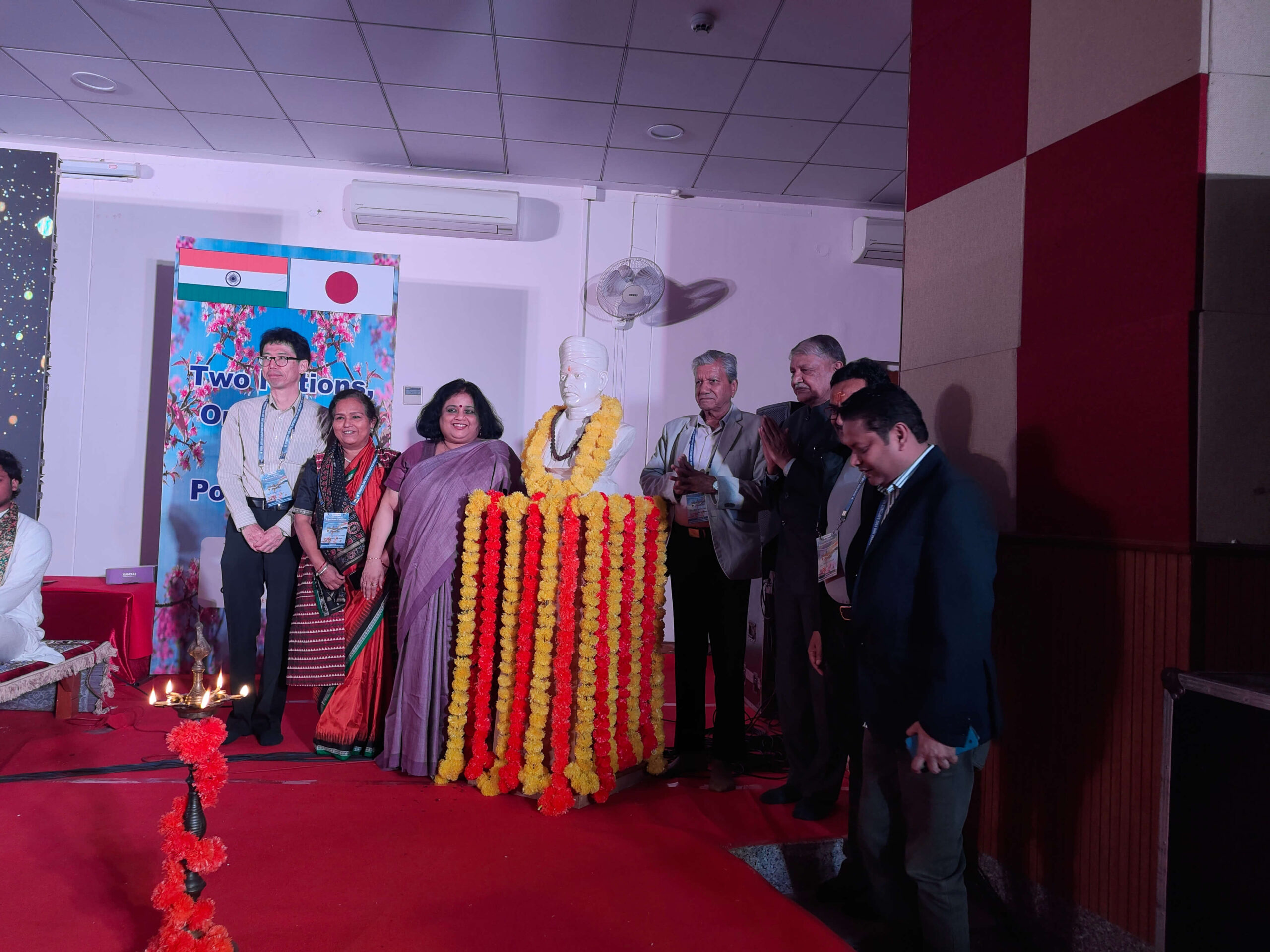
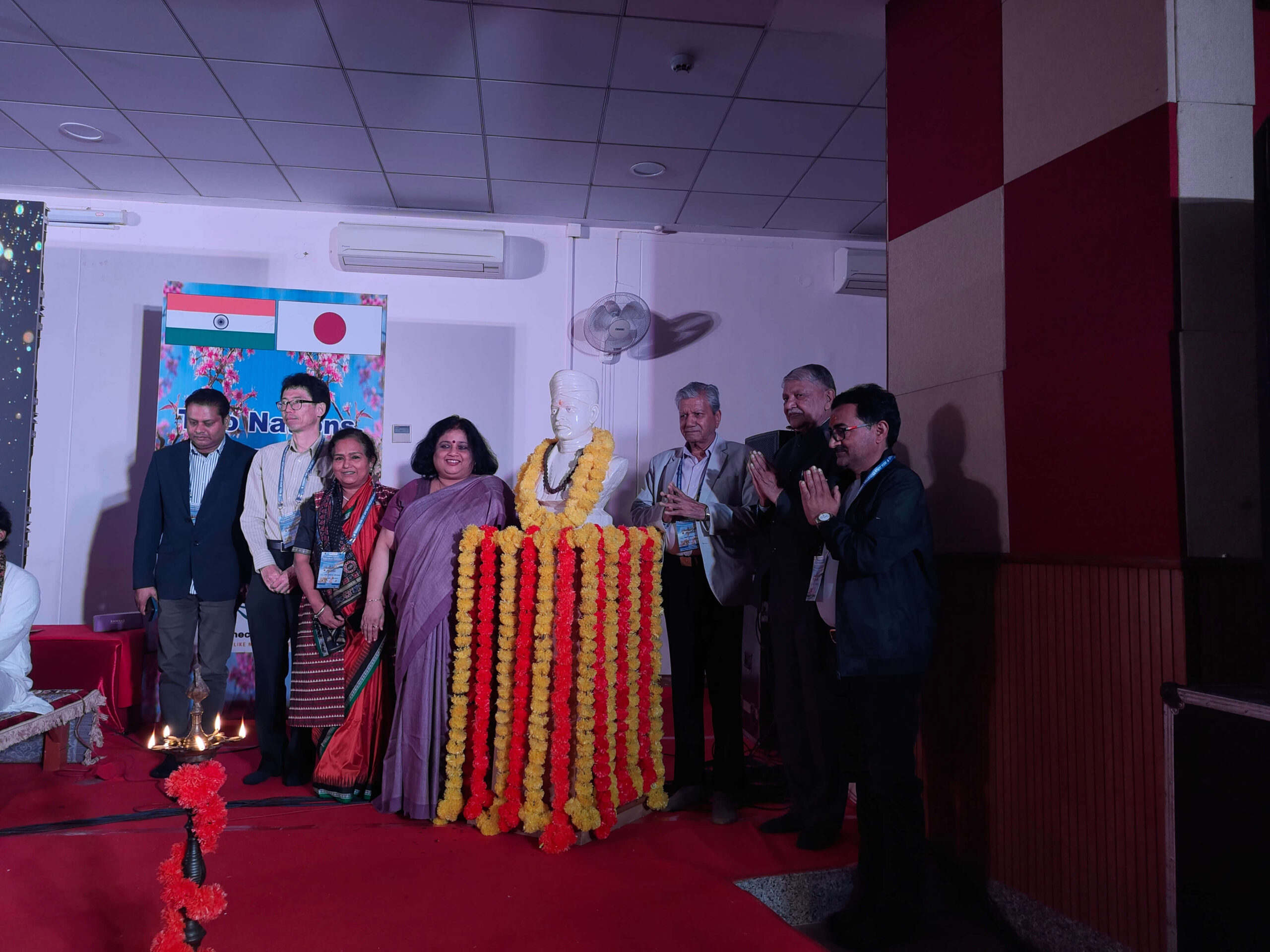
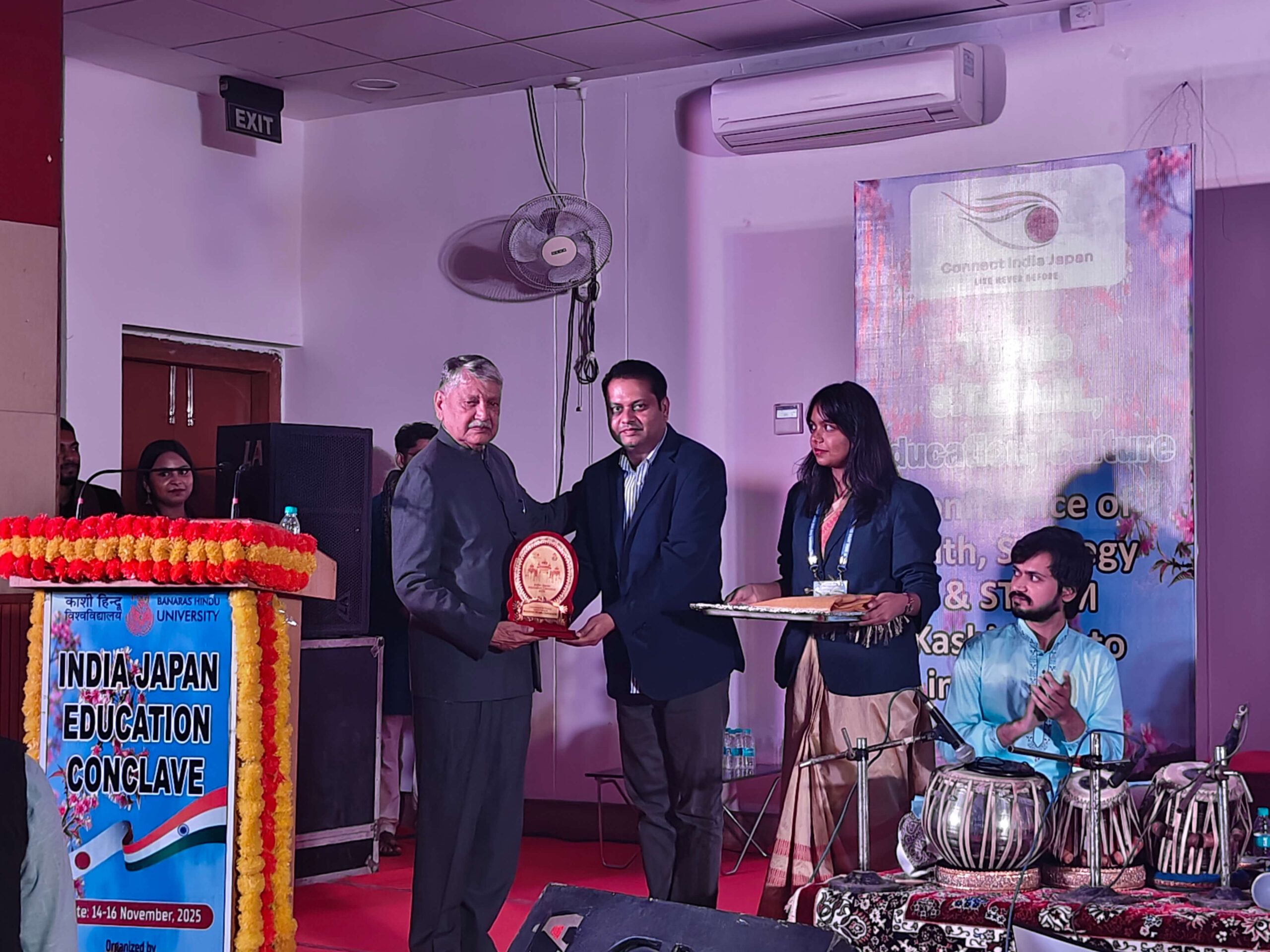
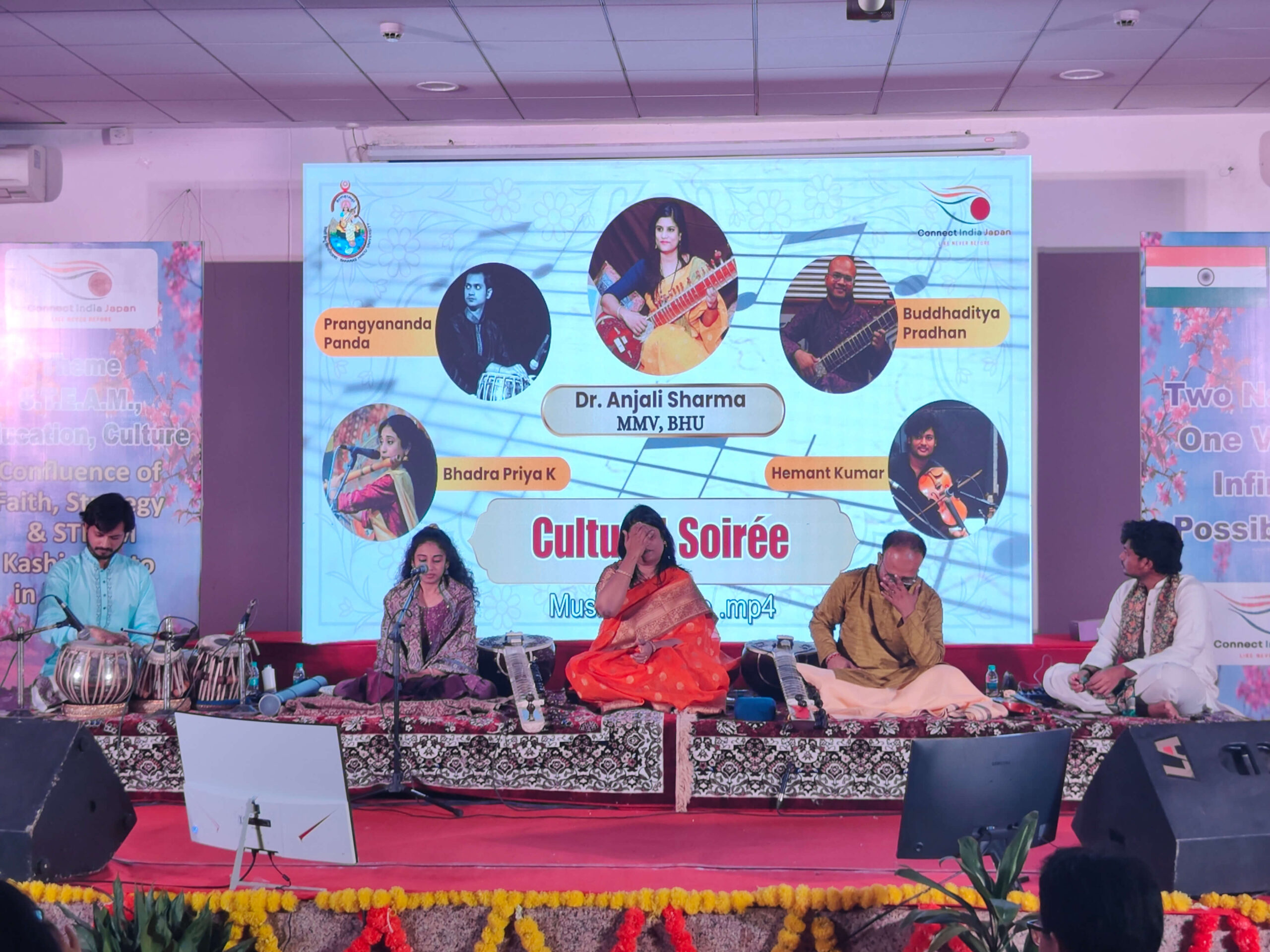
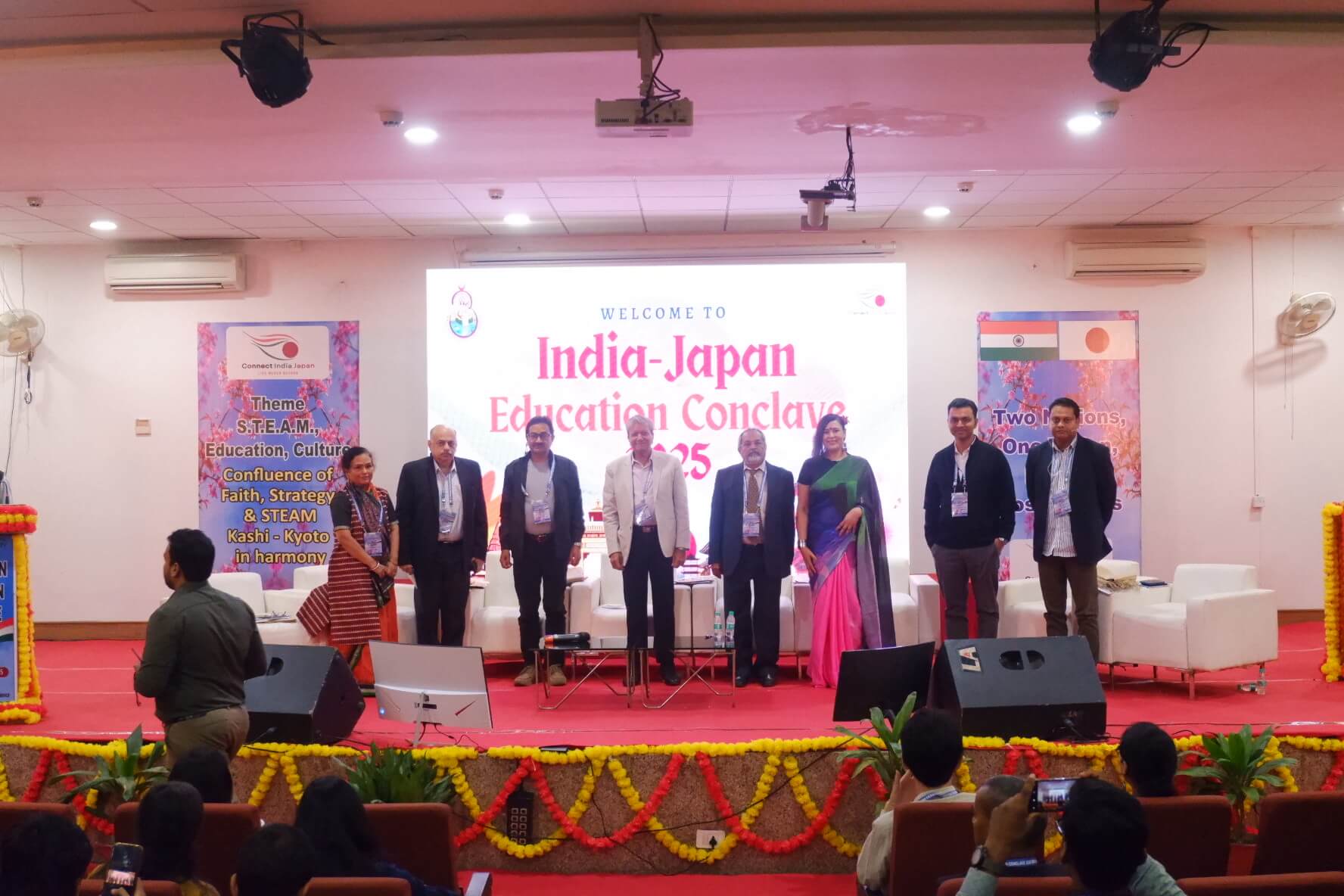
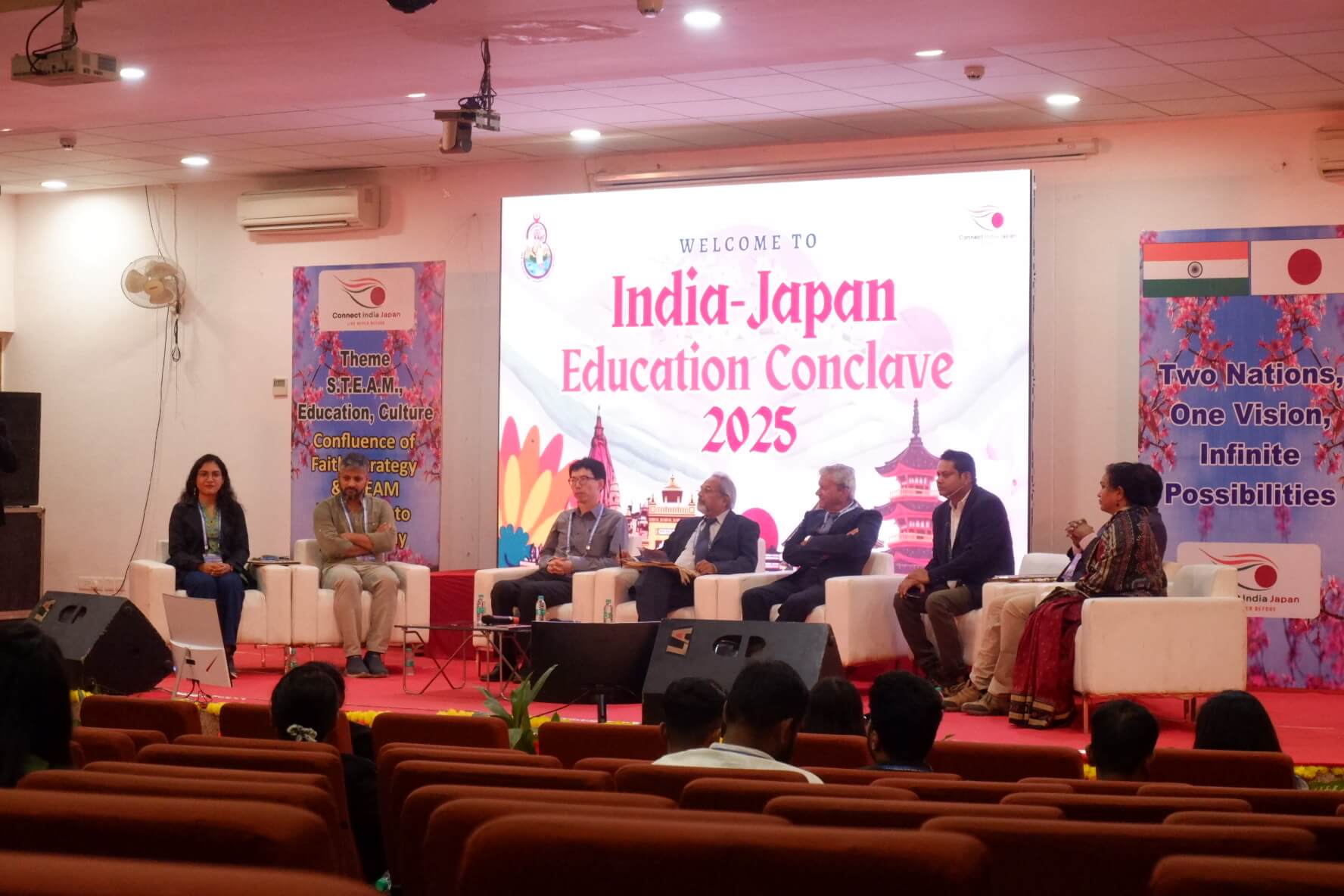
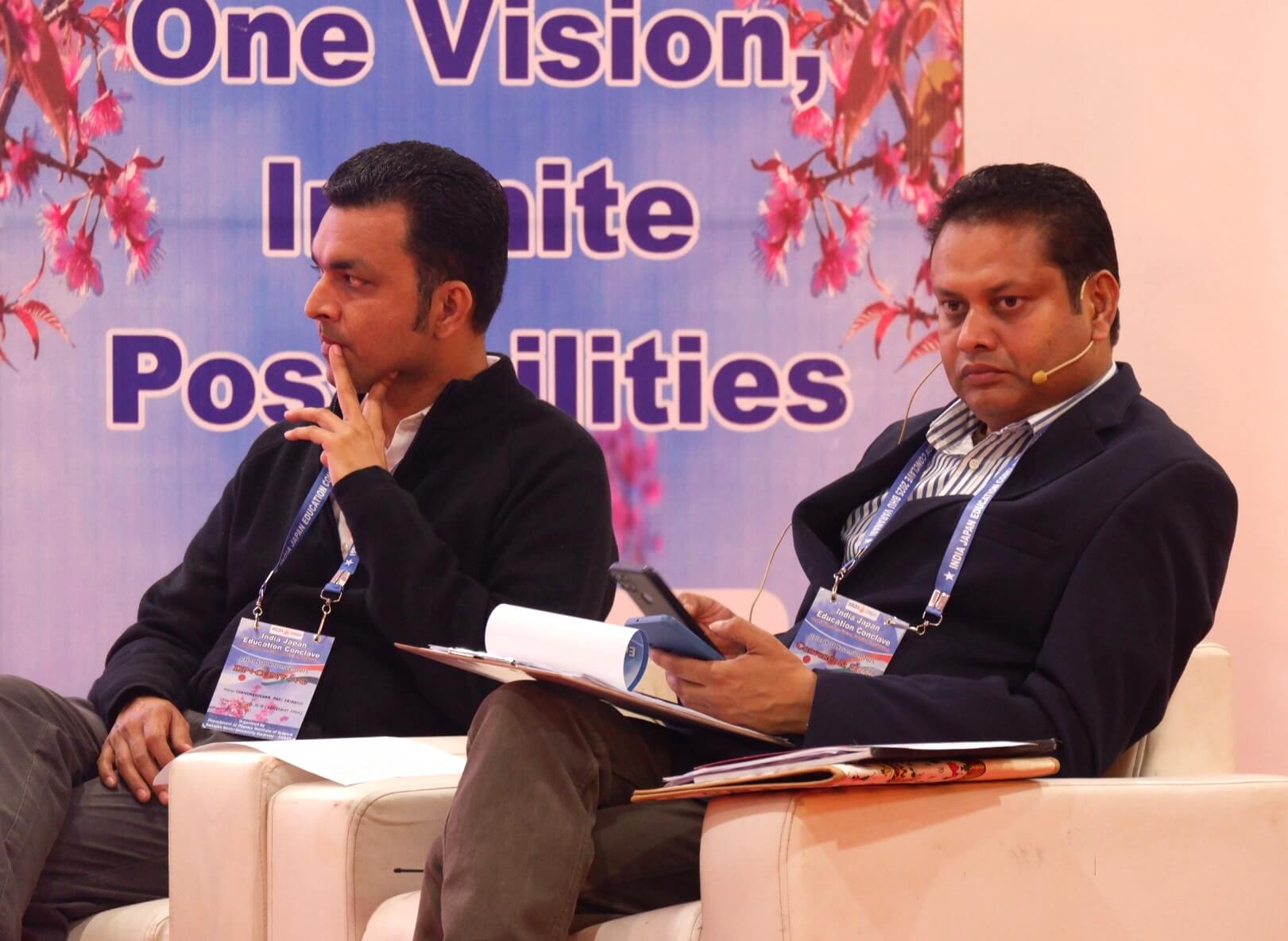
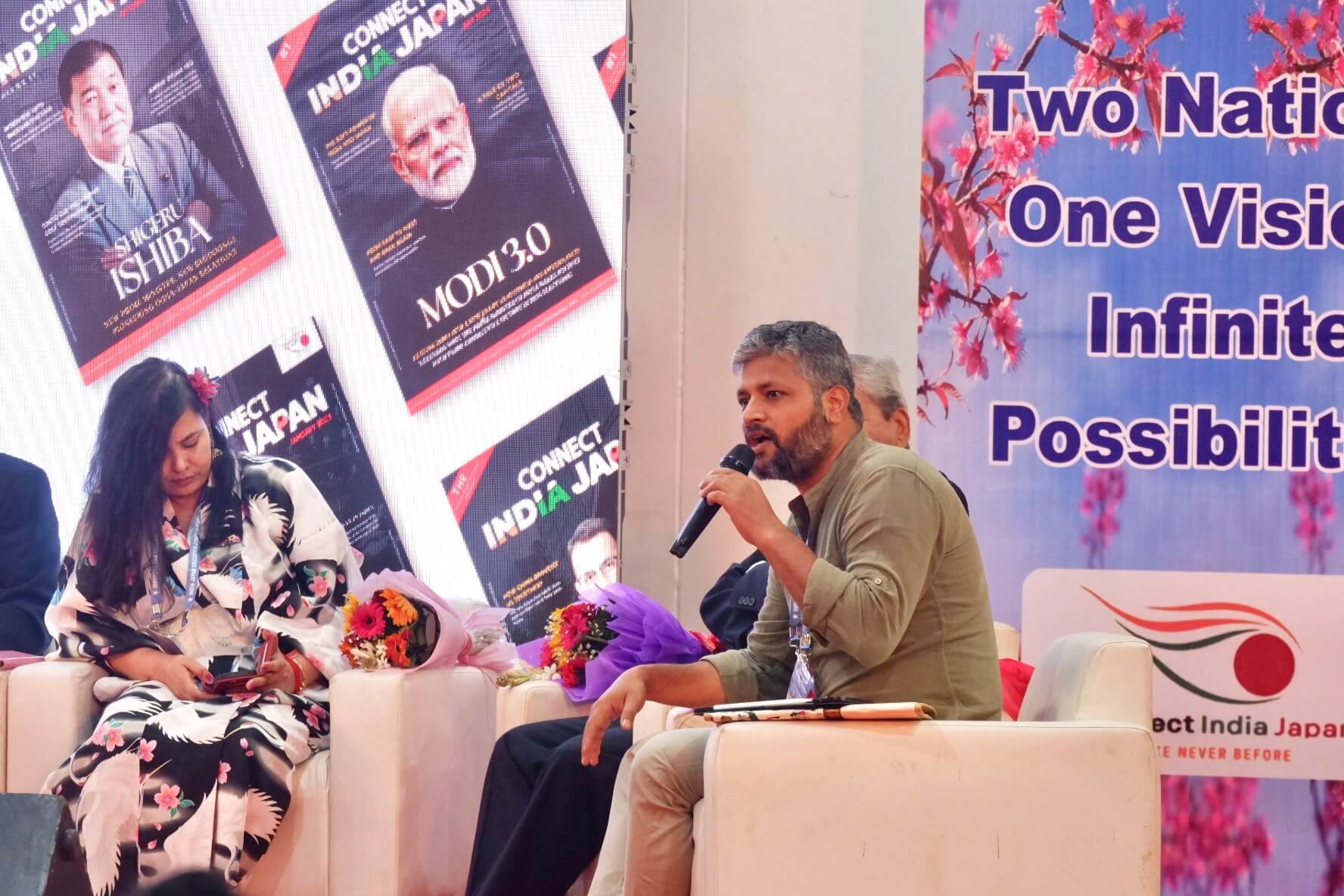
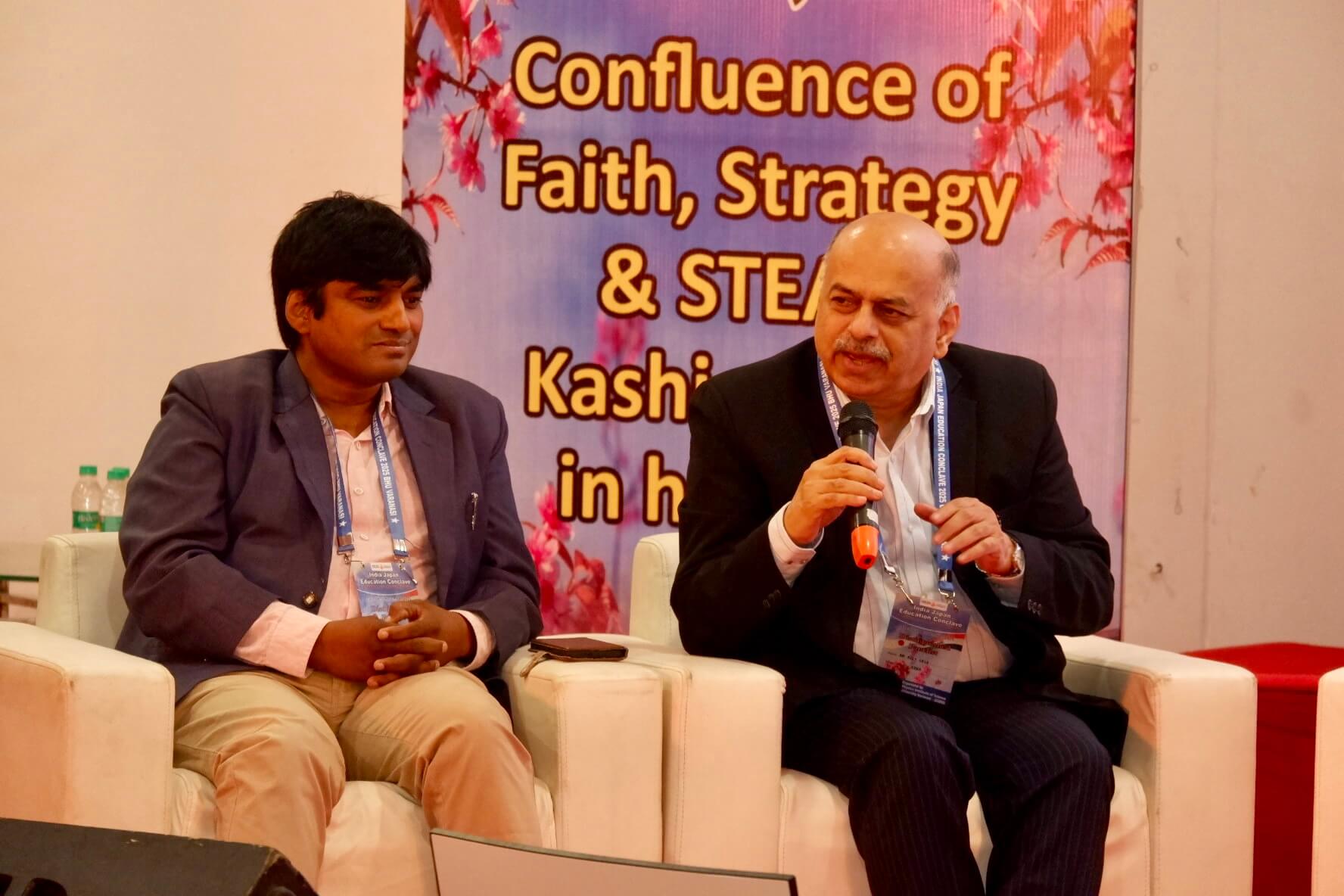
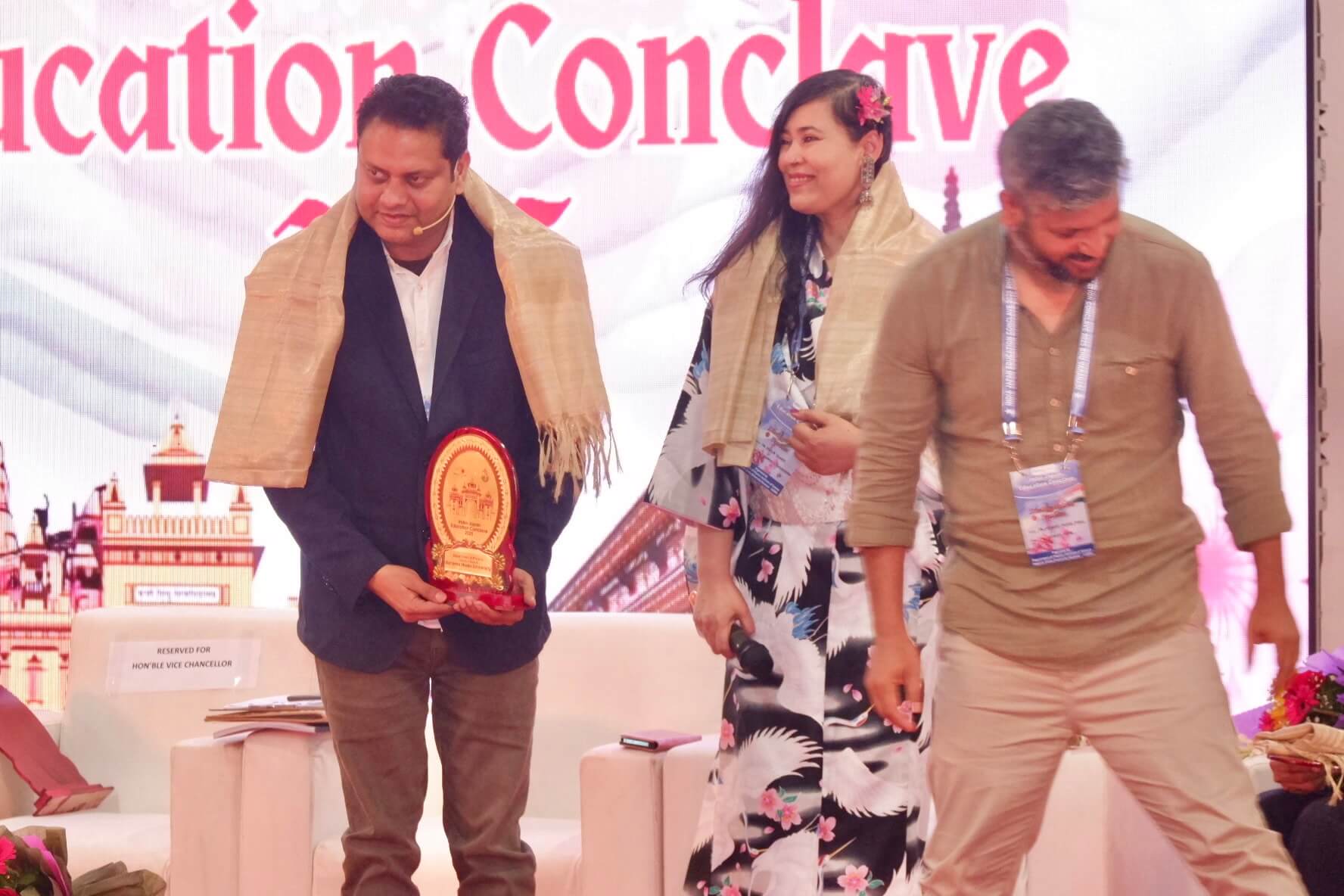
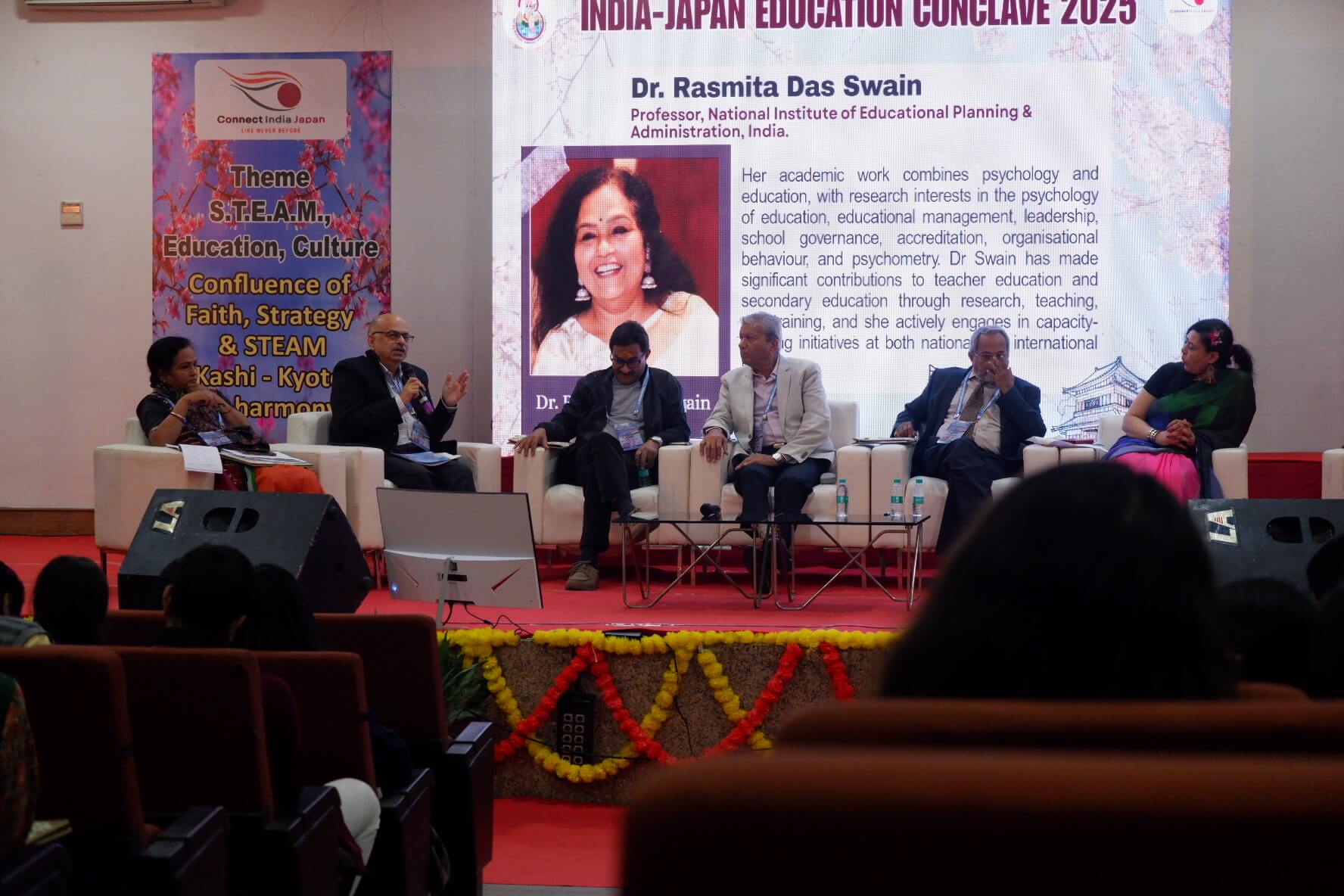
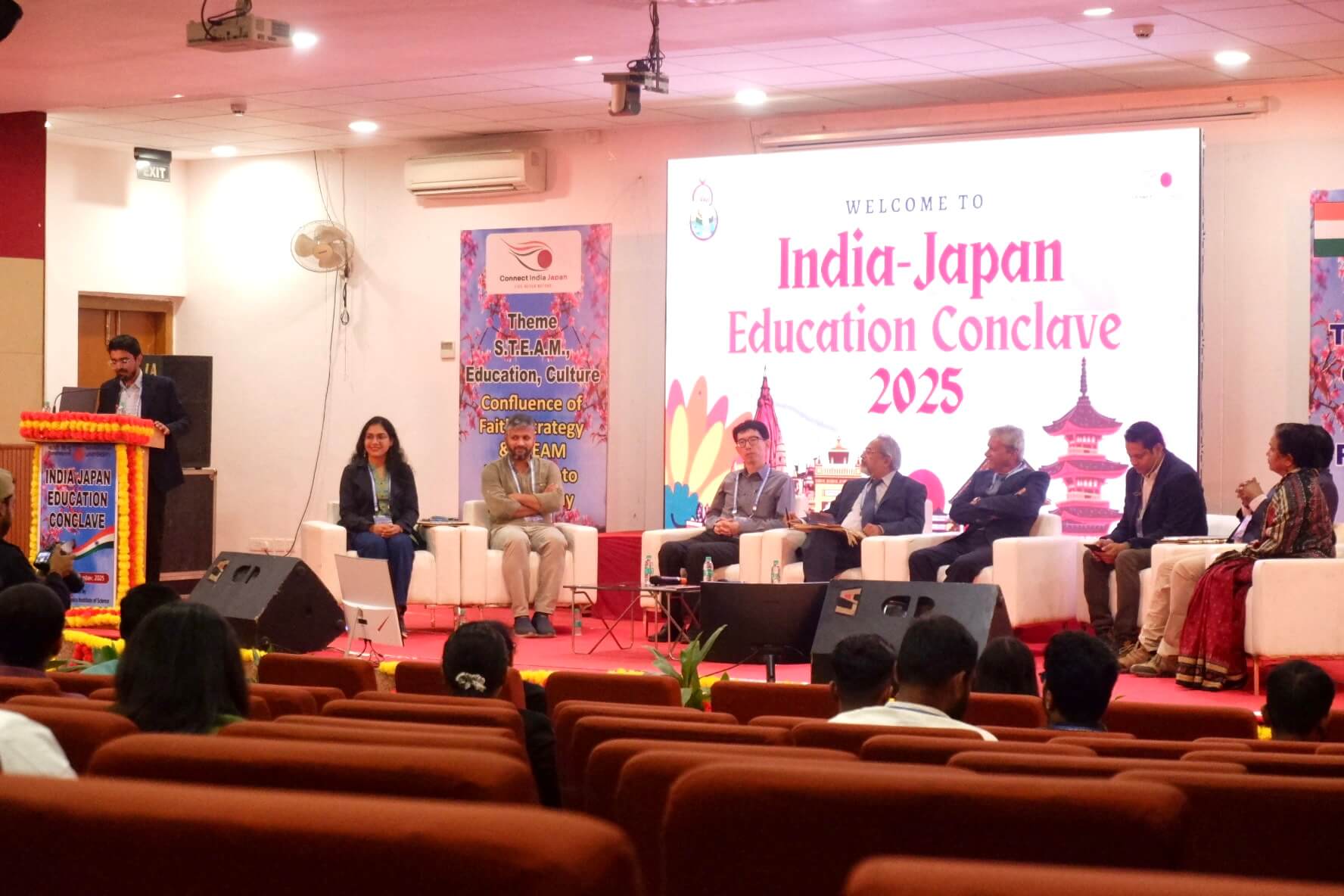
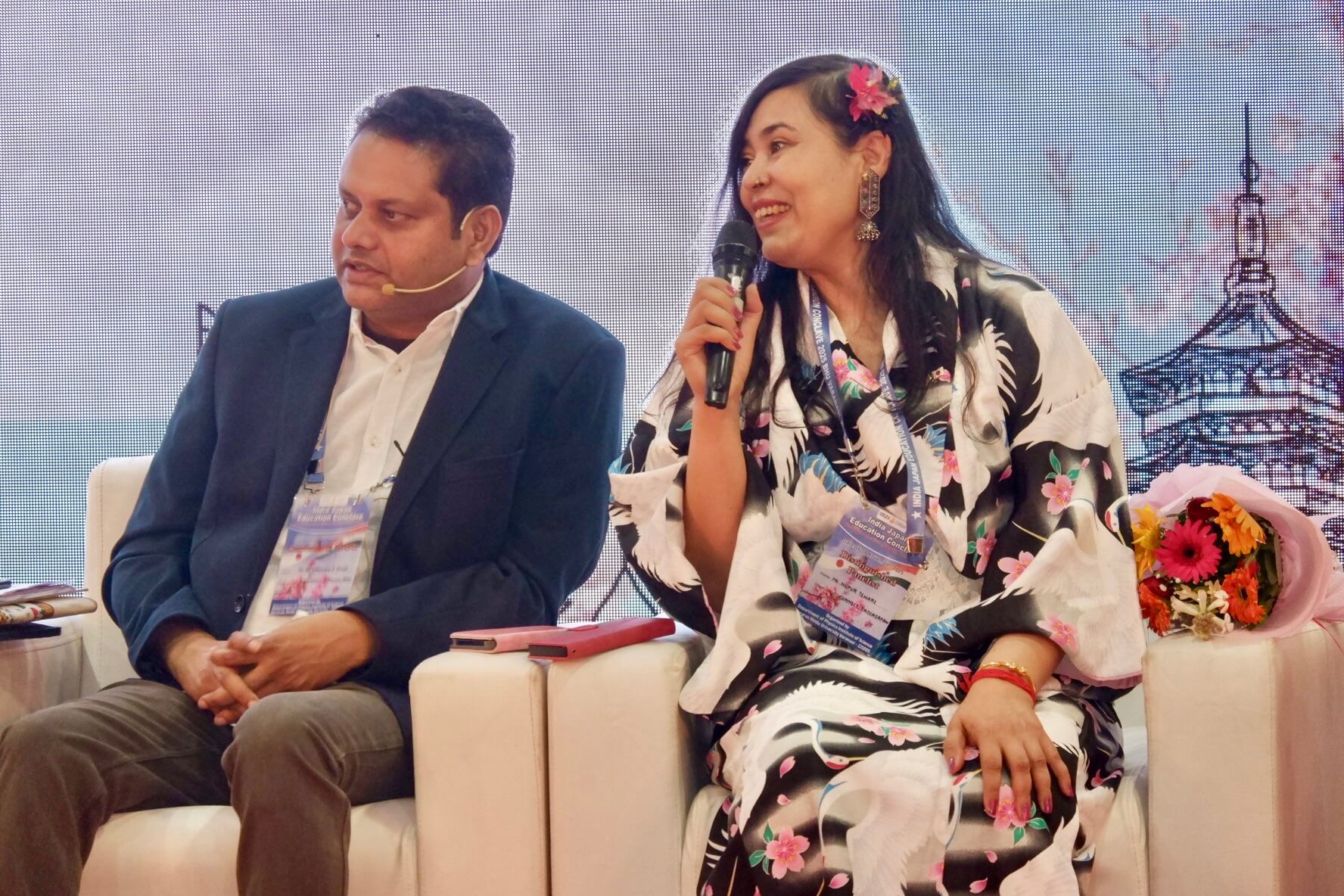
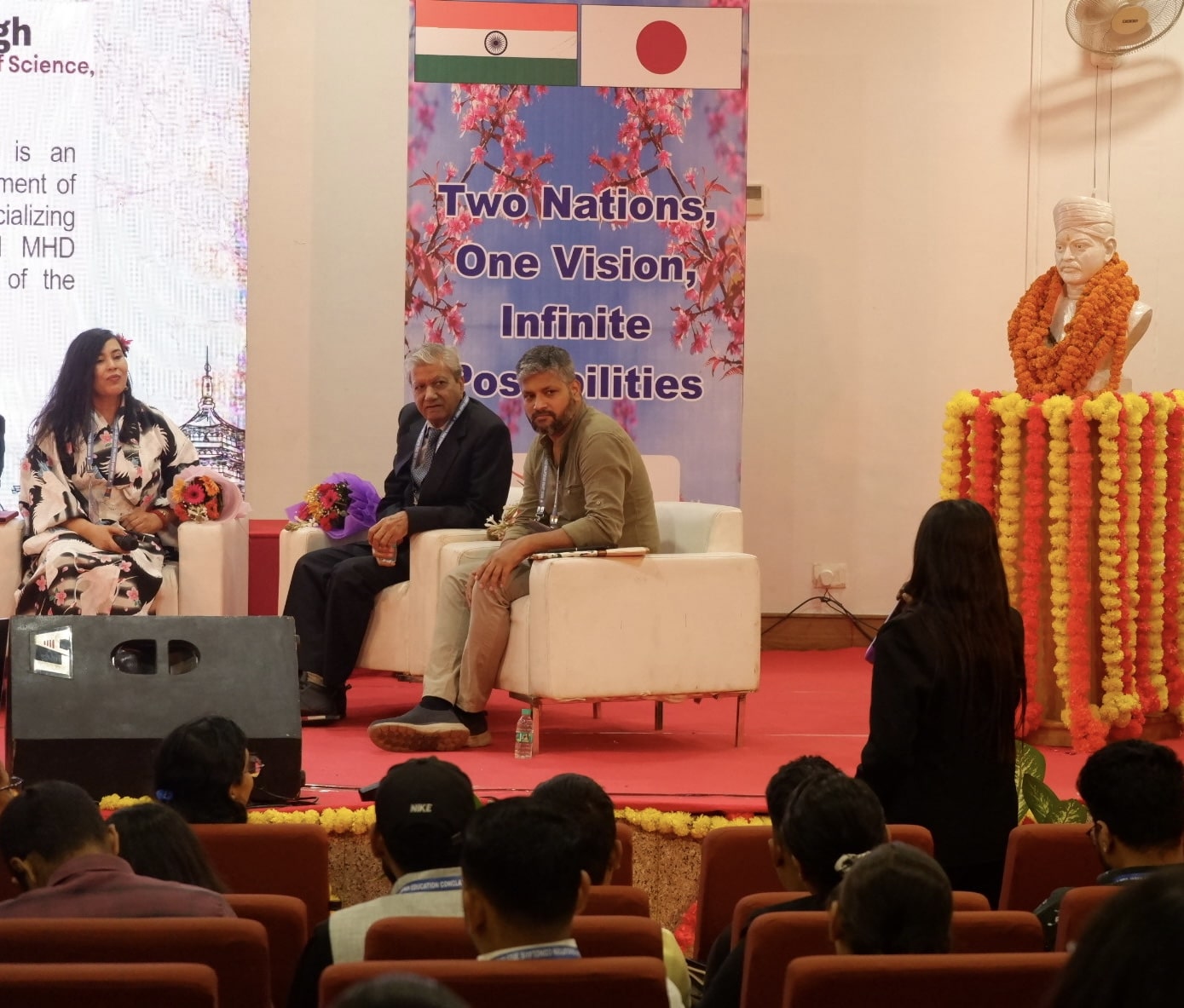
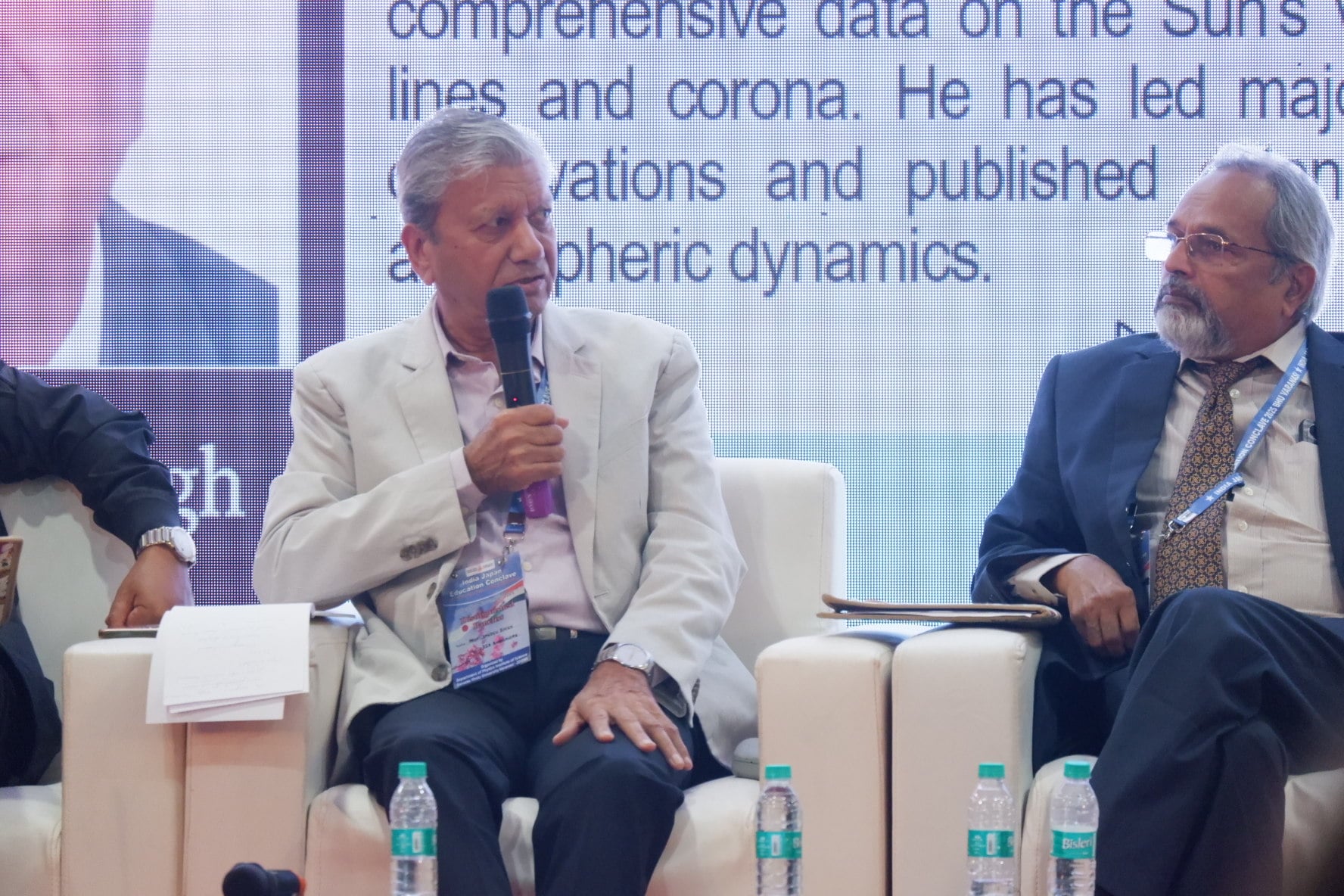
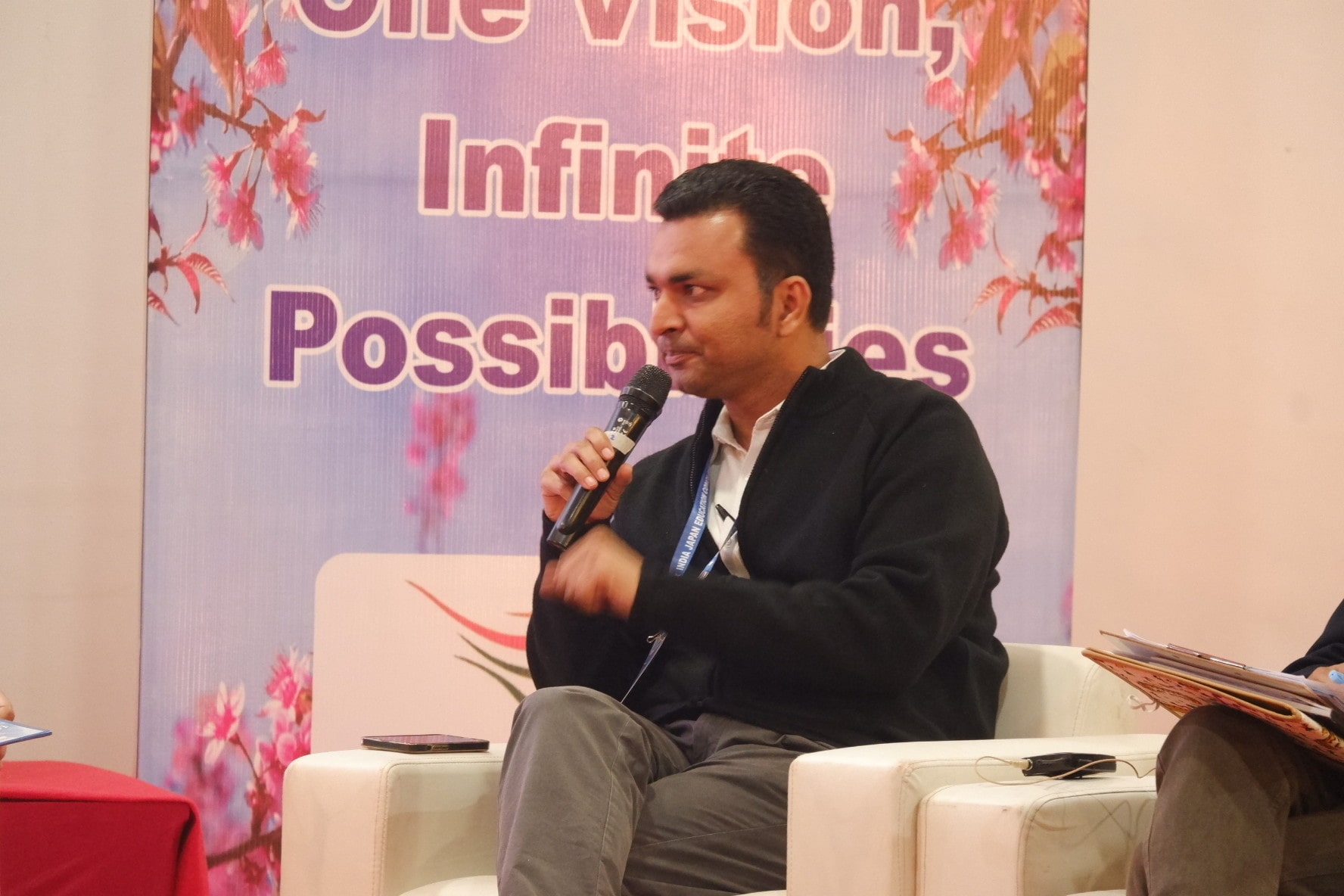
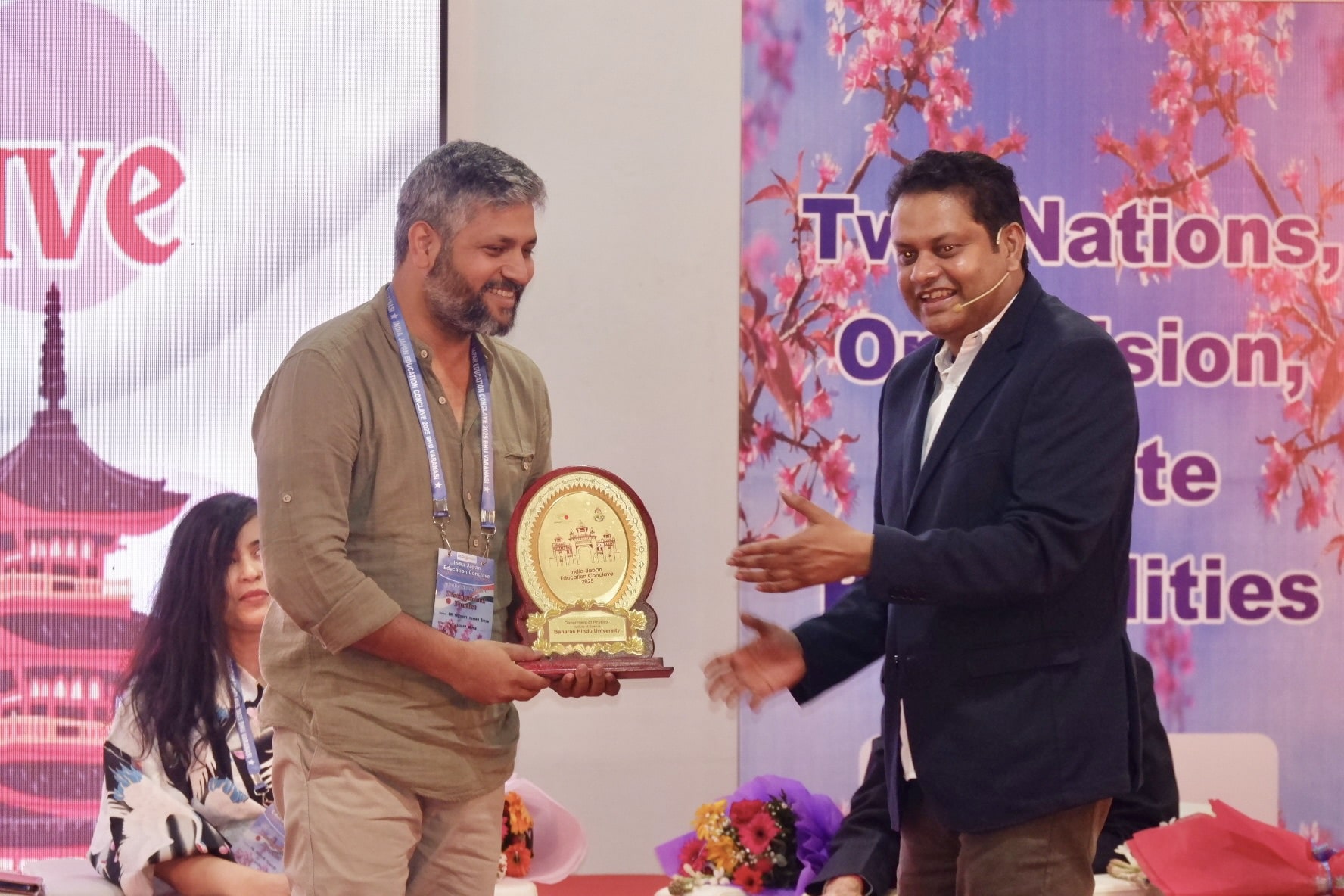
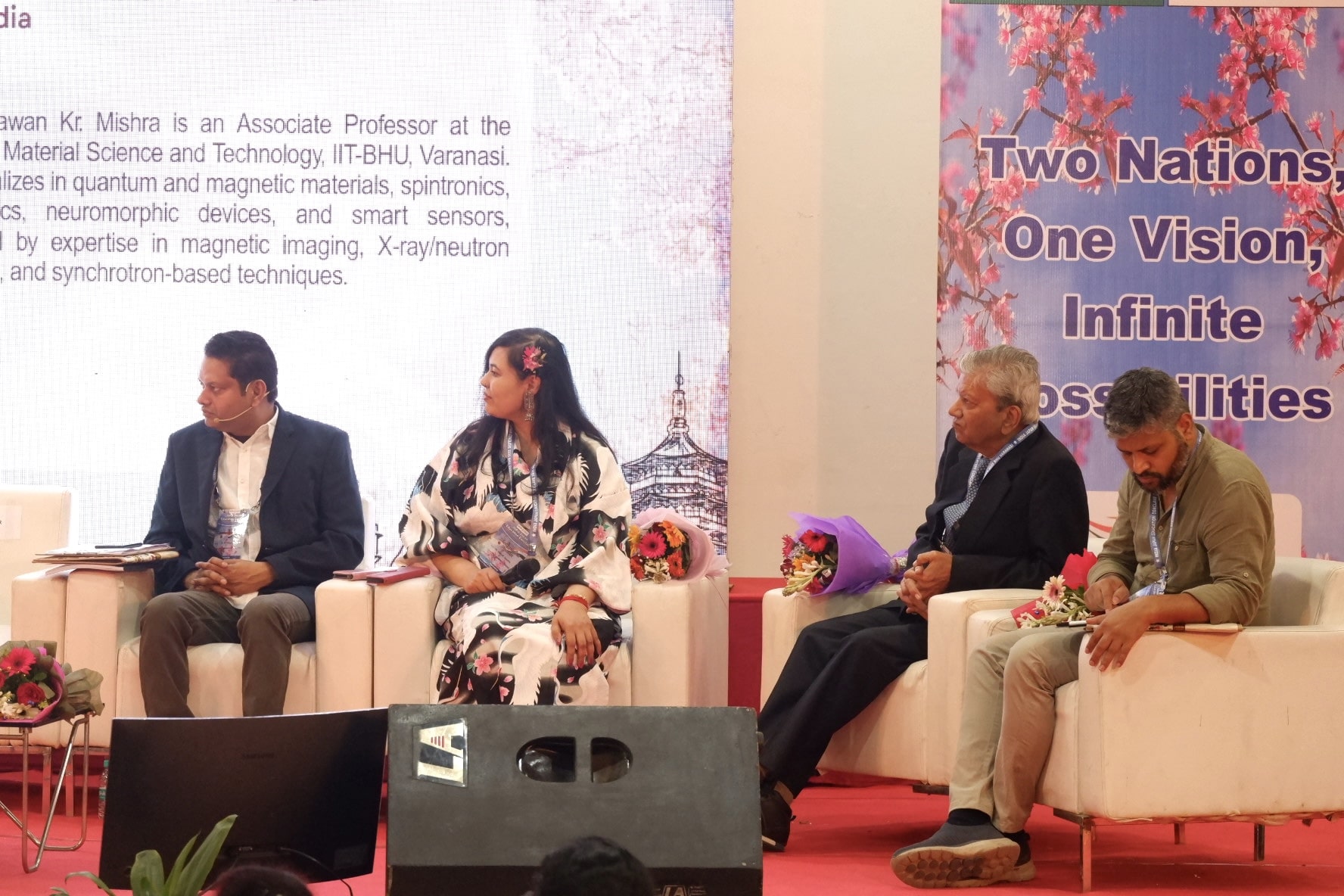
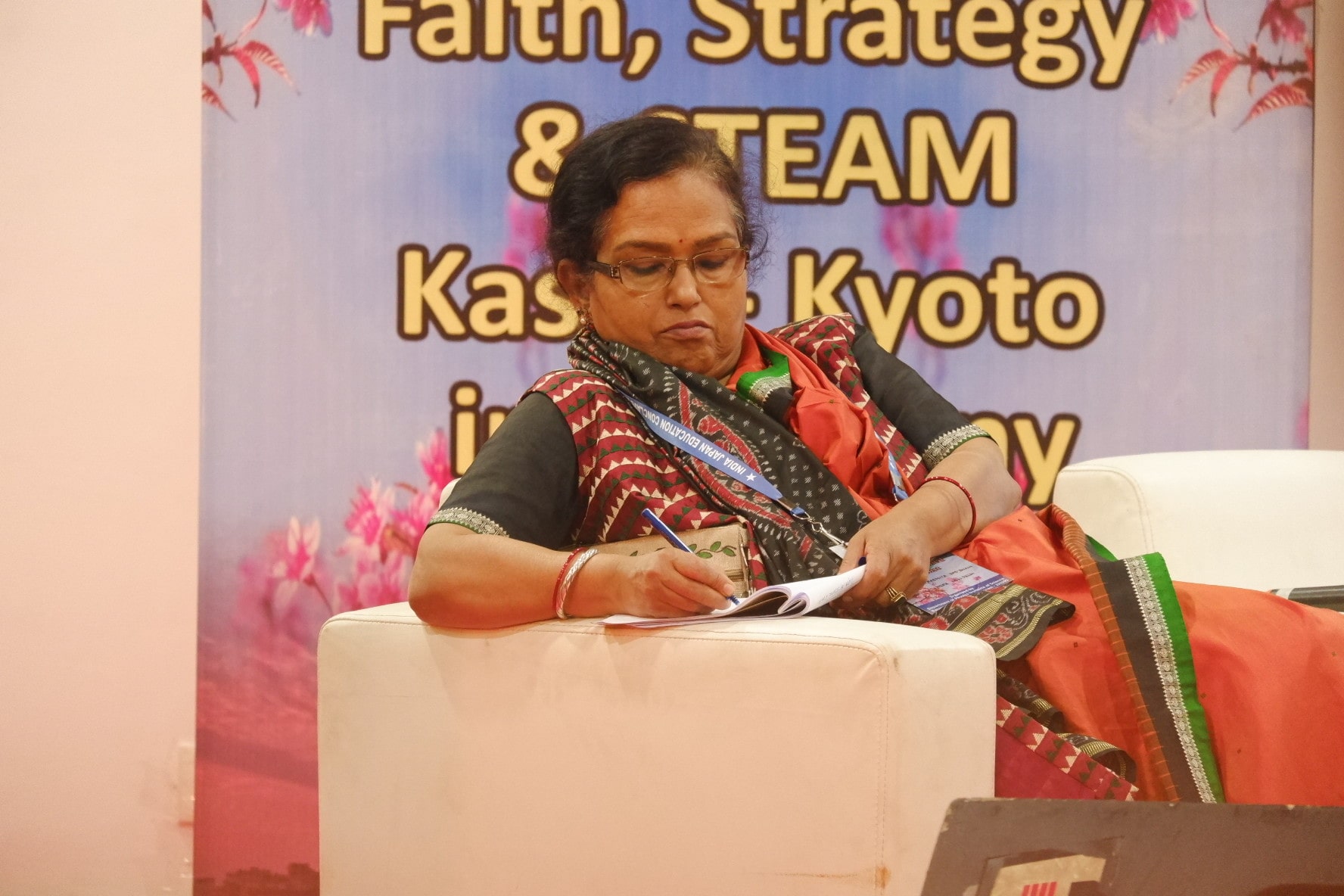
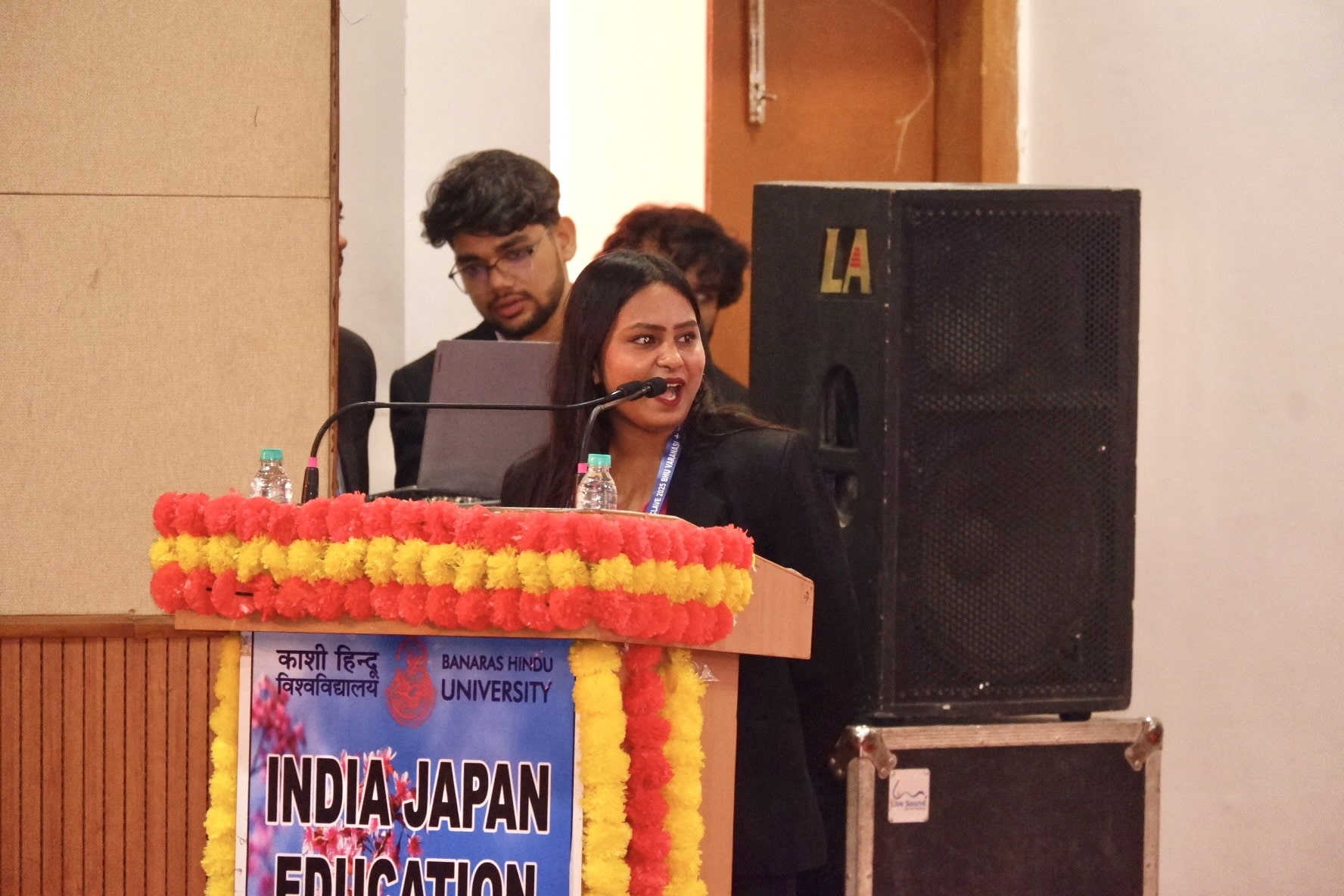
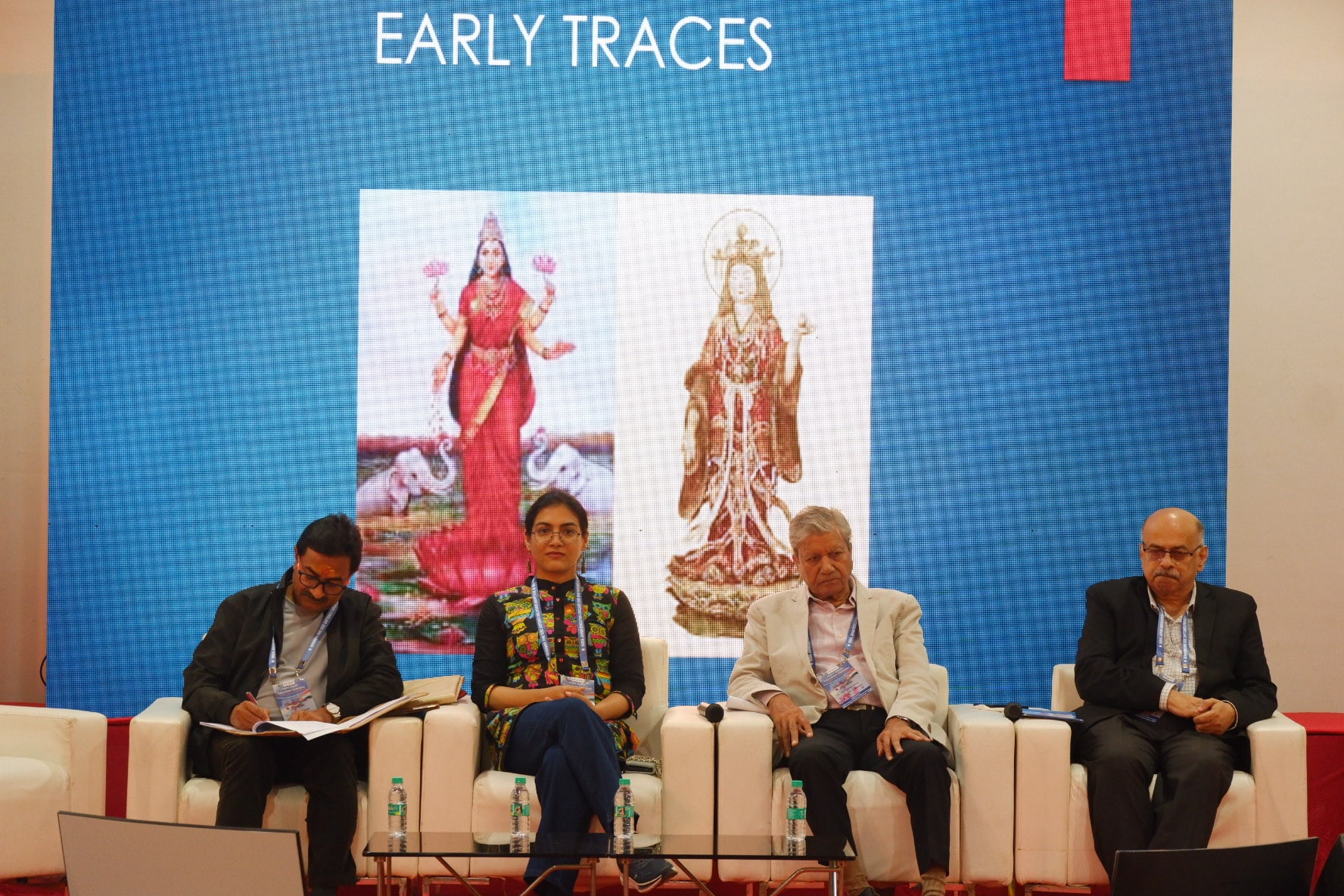
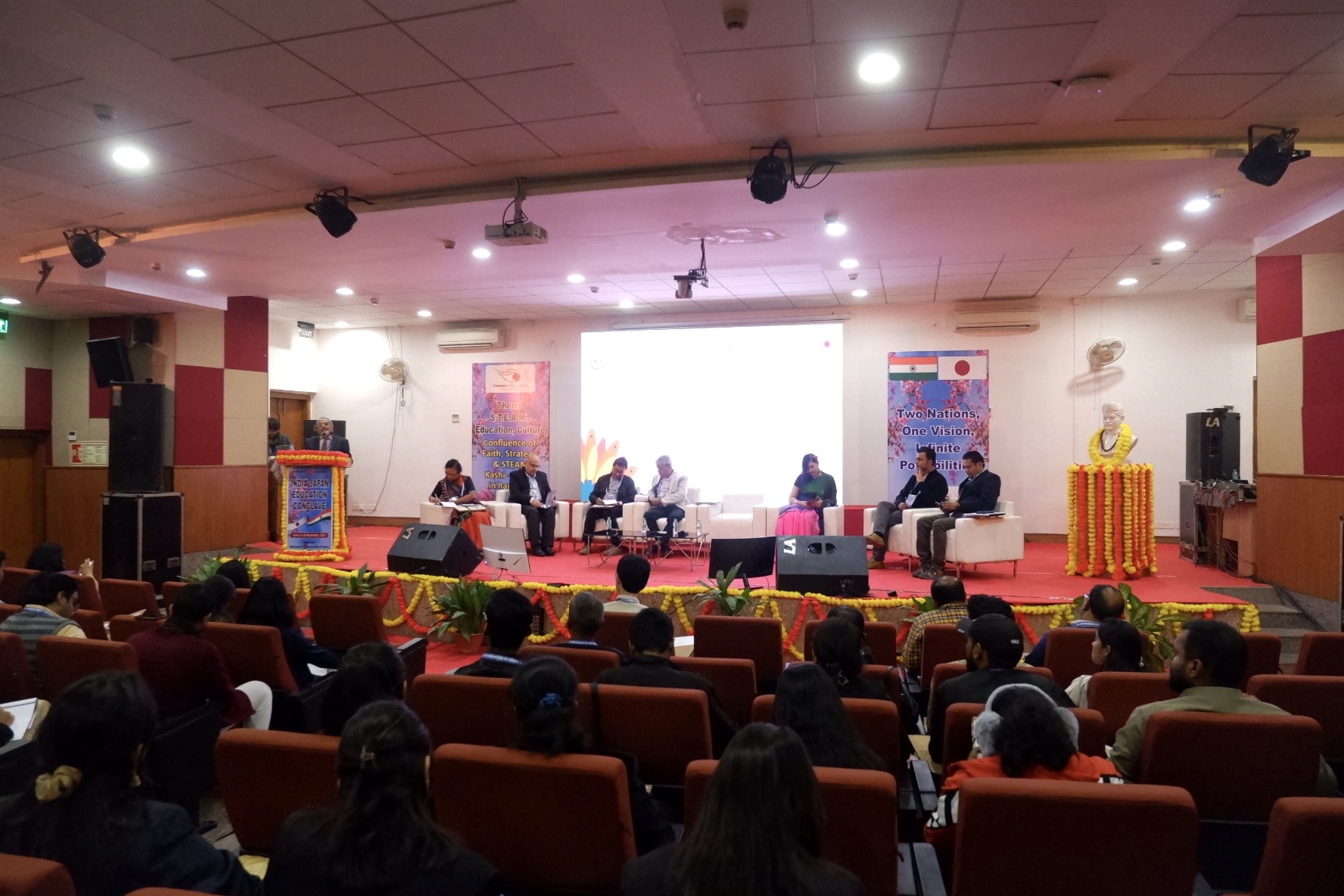
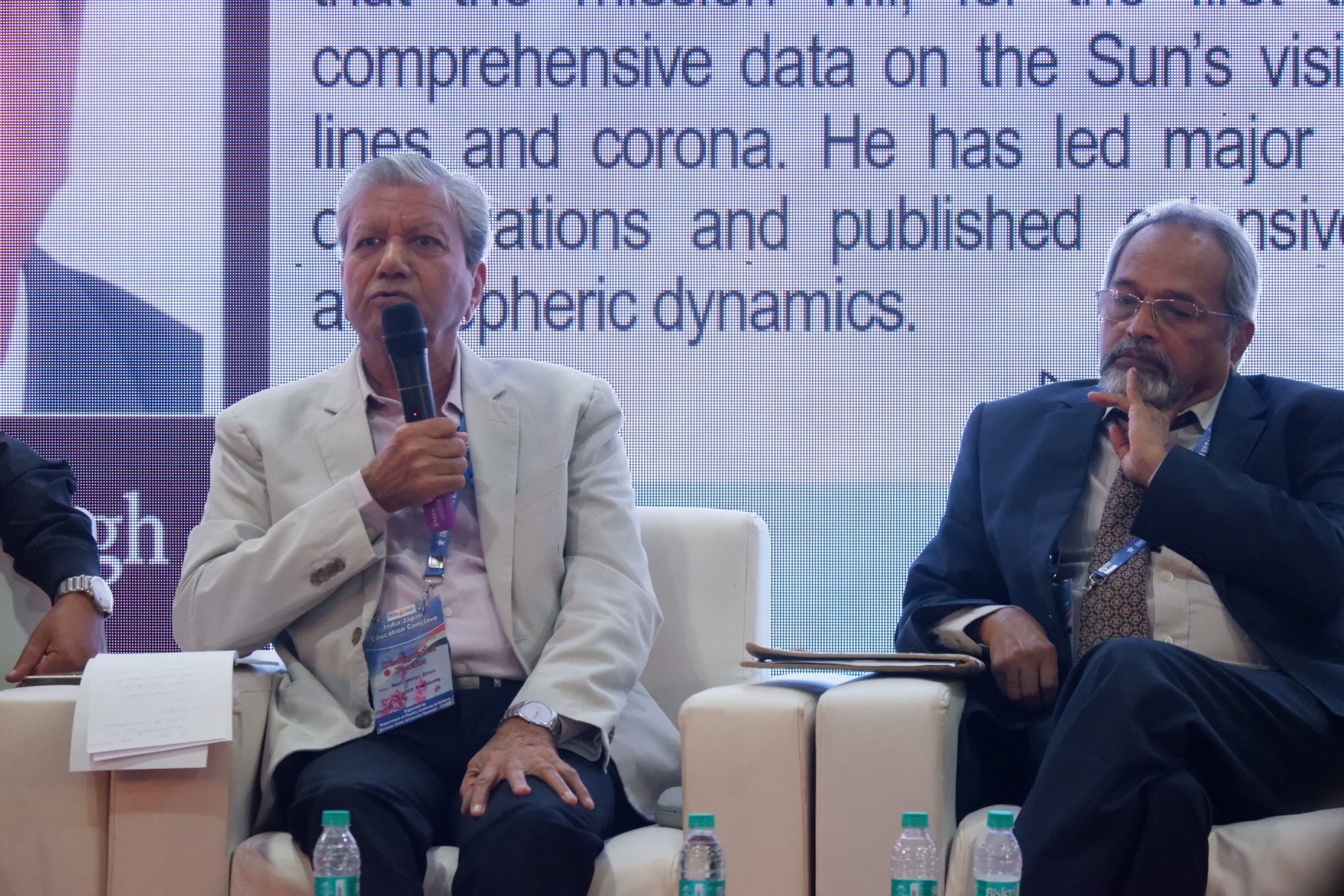
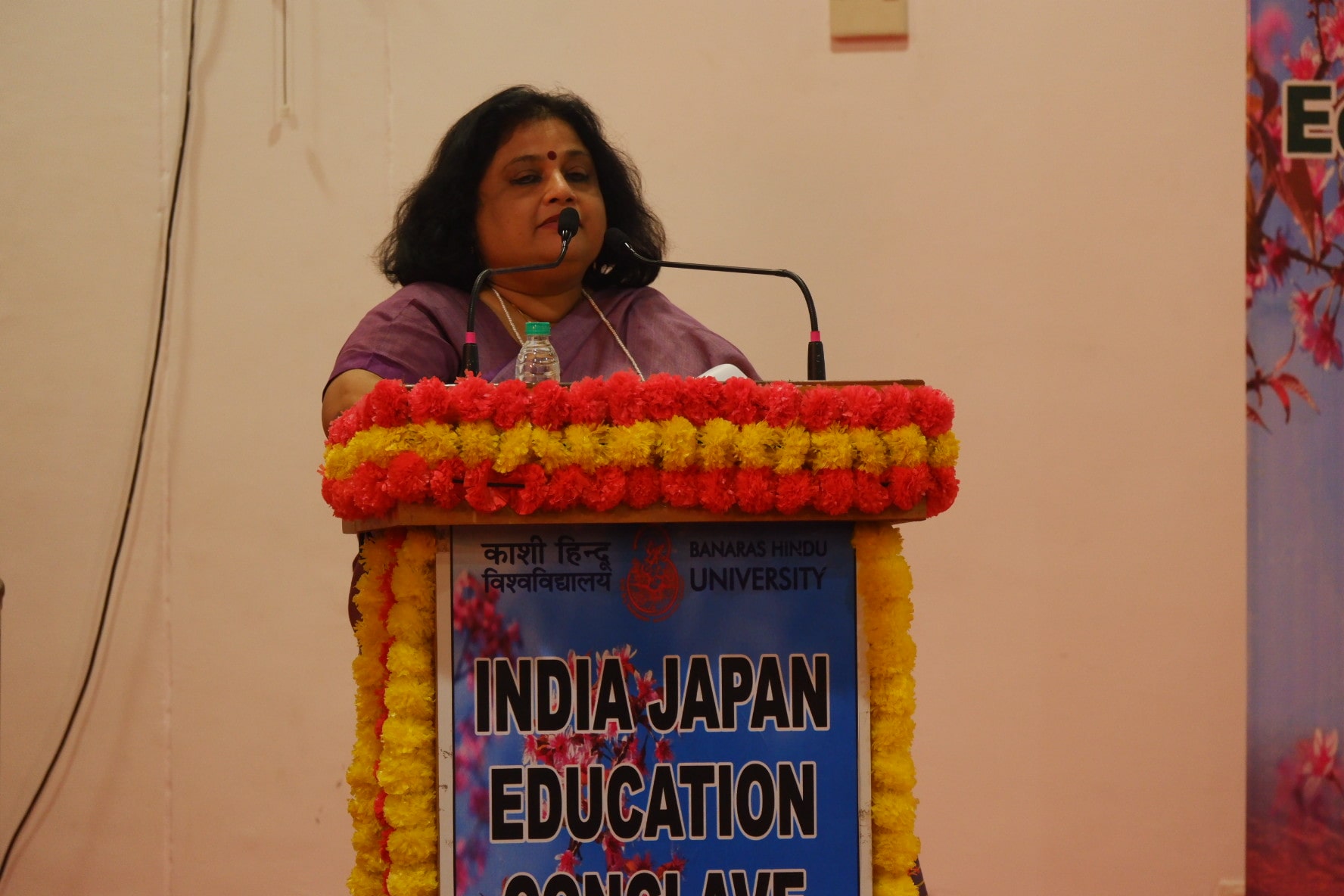
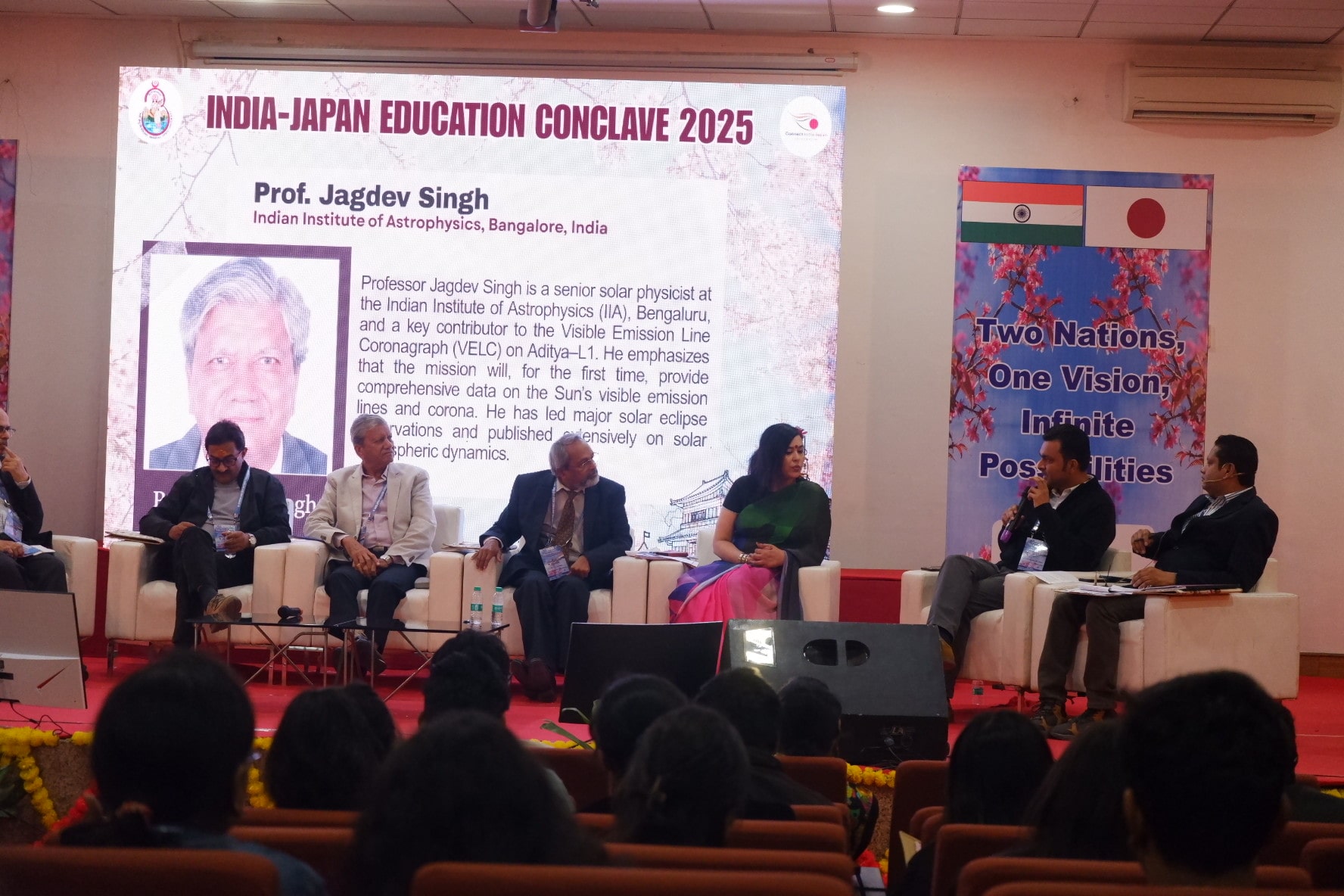
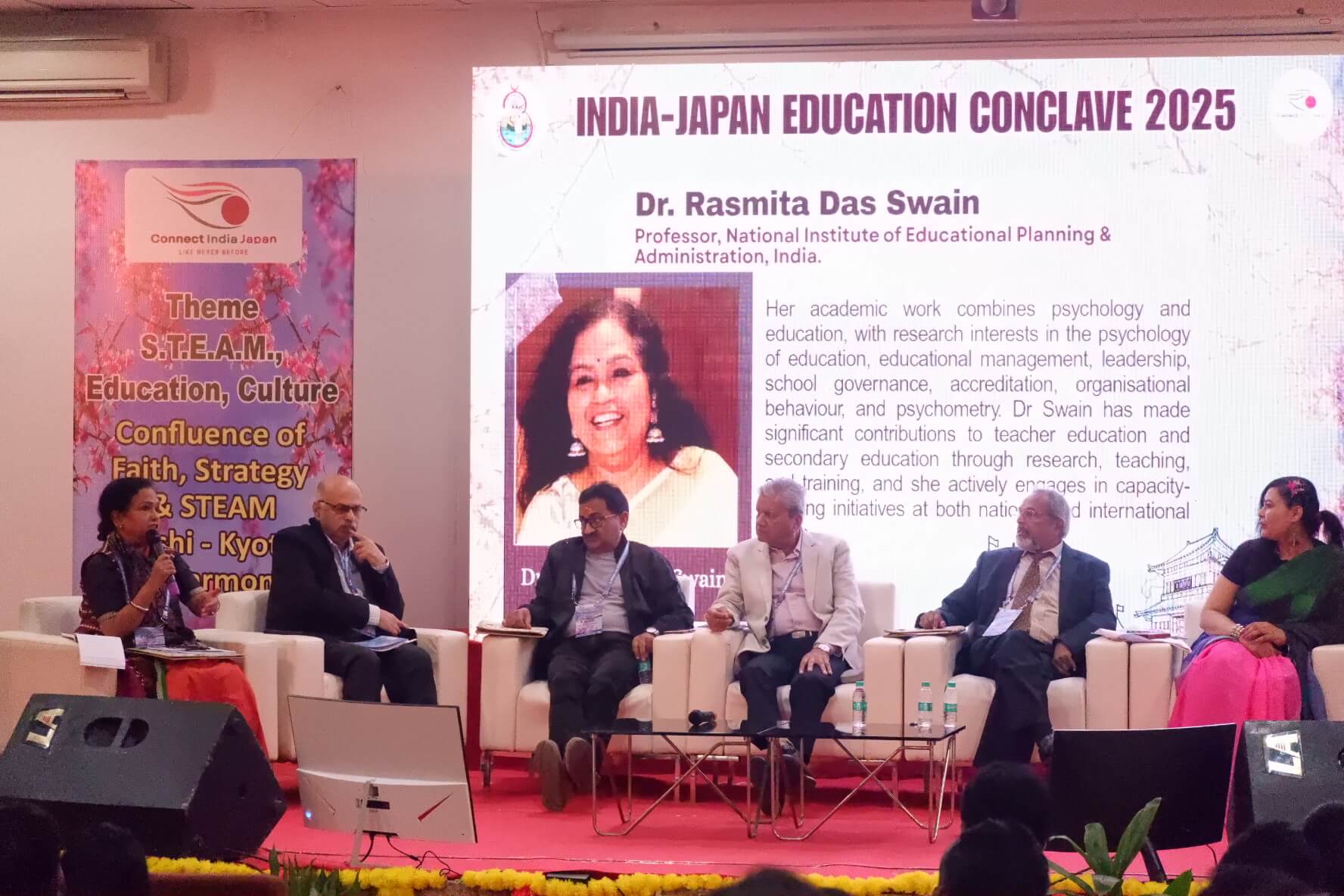
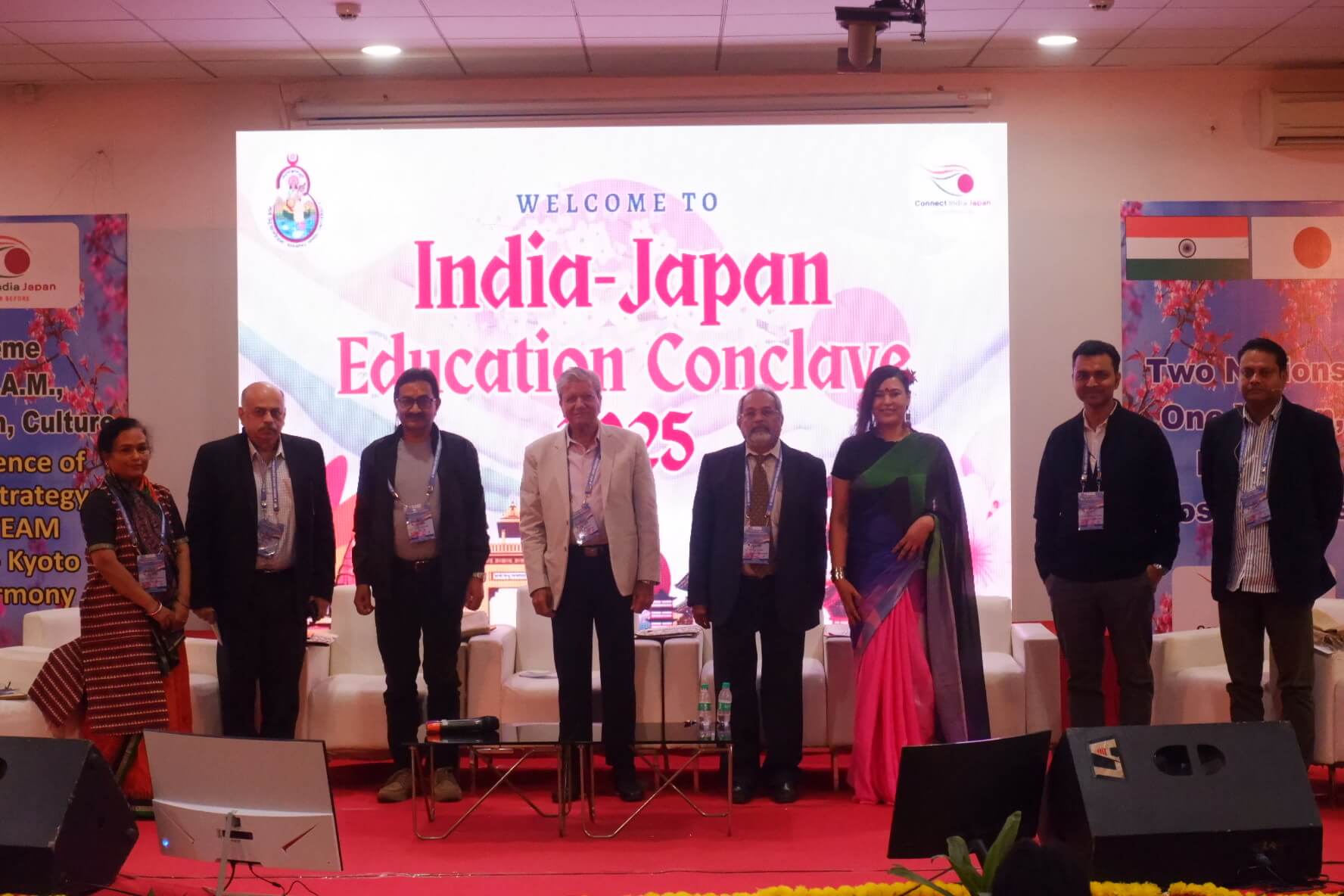
India–Japan Education Conclave
(An international conference convened under the official aegis of Banaras Hindu University)
14–16 November 2025
Sponsored By
IoE - Institute of Eminence, BHU
Two Nations | One Vision
The India–Japan Education Conclave at BHU is envisioned as a dynamic platform to deepen the academic, research, and cultural partnership between the two nations.
Hosted at Banaras Hindu University—one of India’s most prestigious institutions located in the historic and culturally vibrant city of Varanasi—the conclave will build upon recent collaborations such as the Sakura Science initiatives, while opening new frontiers in science, technology, sustainable development, and the humanities.
By uniting educators, researchers, policymakers, and students, the event will not only highlight India’s academic strengths but also foster long-term collaborations, innovation-driven partnerships, and a richer mutual understanding, positioning BHU as a hub for Indo–Japan educational synergy.
When Kashi (Varanasi) meets Kyoto—sister cities united by culture, education, and heritage.
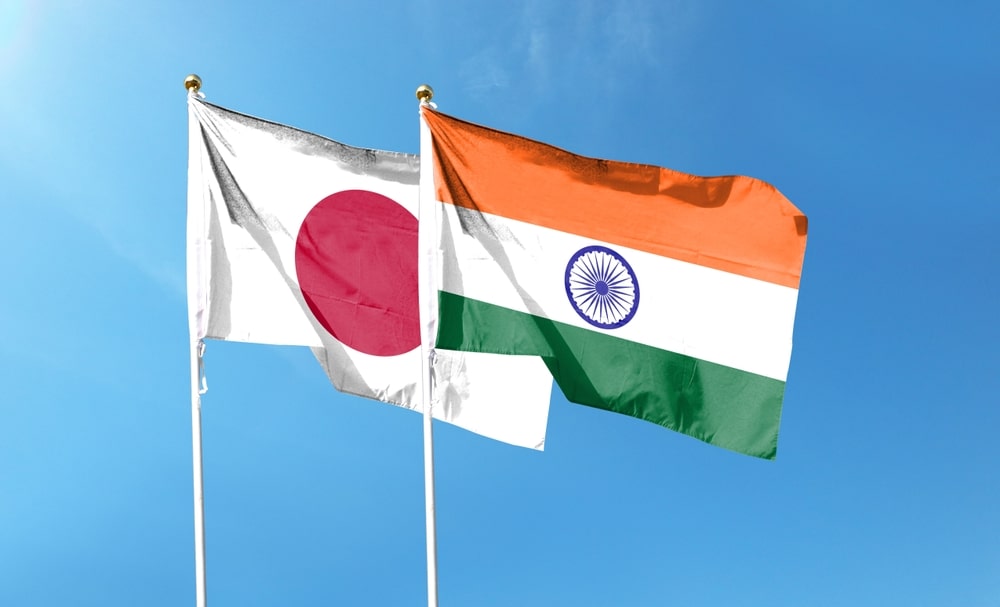
Strengthening Relations
Strengthening Indo-Japan Academic Ties India and Japan share a long-standing cultural and educational partnership. An Education Conclave at BHU underscores this deep relationship,
positioning both nations to advance mutual goals in higher education, research, and innovation.

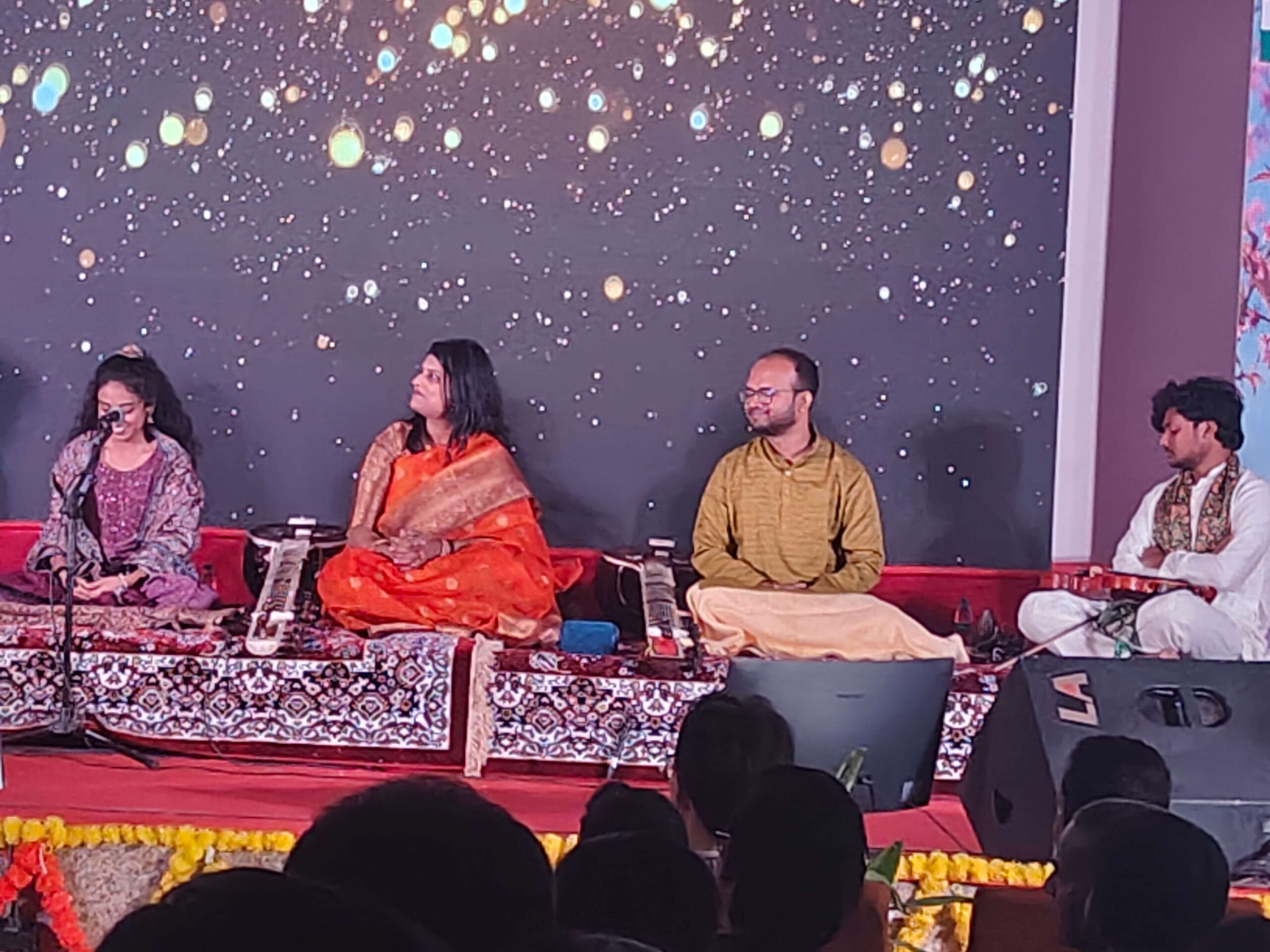
Culture Fusion
Capitalizing on Varanasi’s Heritage and BHU’s Prestige, Varanasi, one of the world’s oldest cities, not only commands spiritual and cultural prestige but also houses BHU—a historic institution renowned for its academic and research excellence. This platform is ideal for hosting partners from Japan aiming for both intellectual and cultural impact.
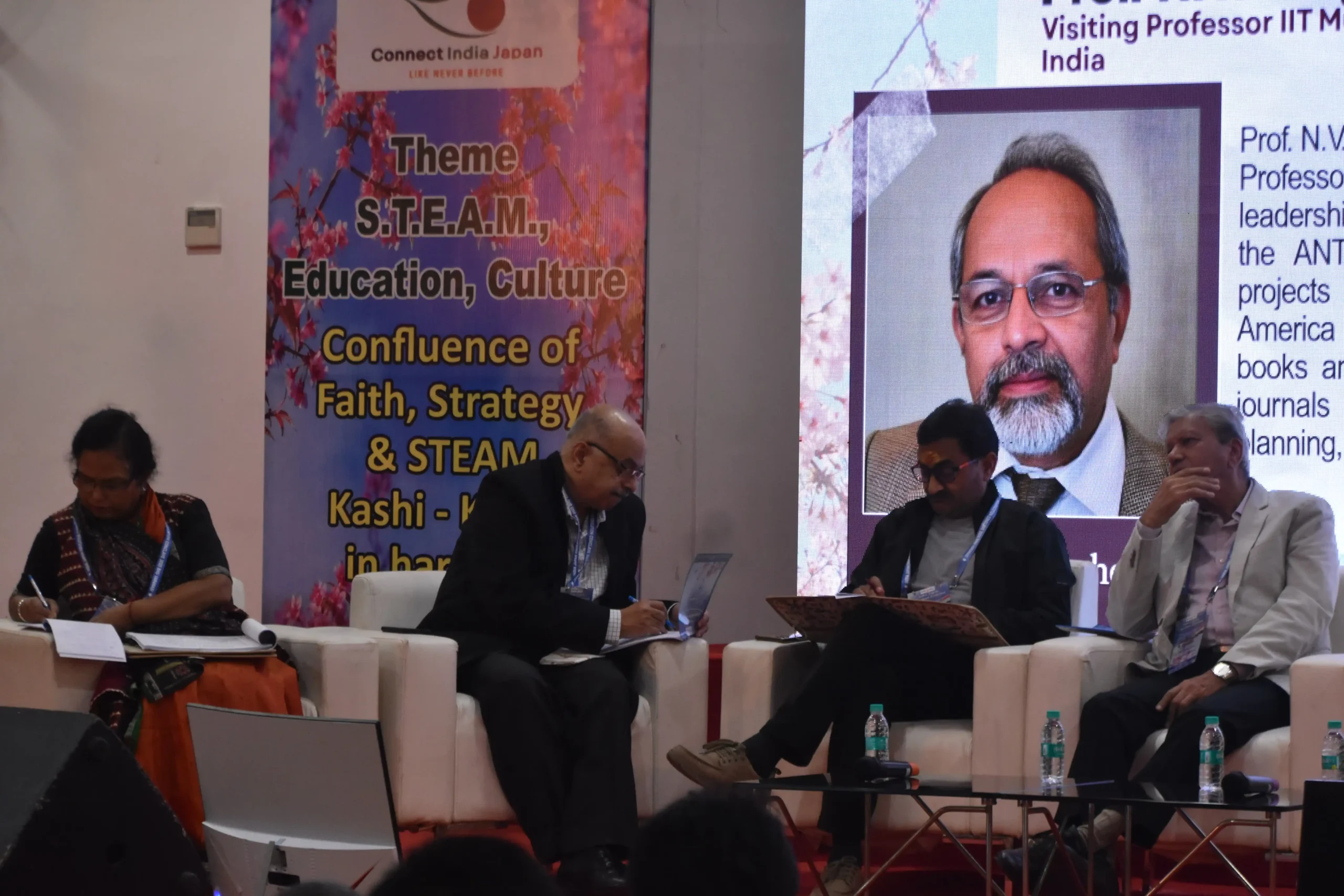
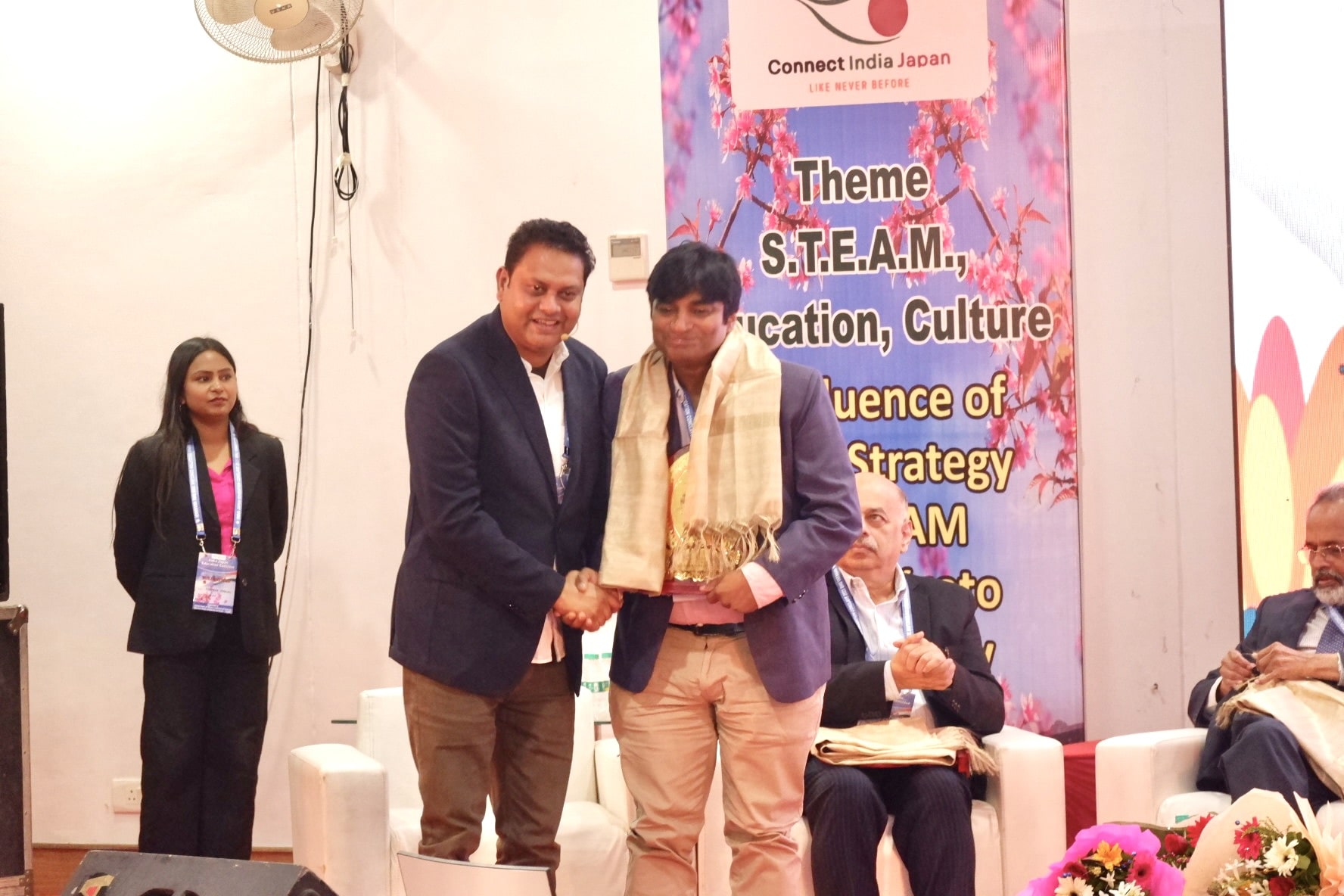
Theme - S.T.E.A.M., Education, Culture
Rooted in the larger imperatives of national interest and guided by the visionary reforms of NEP 2020
Strategic Forum
(Together in synergy, honest in sincerity, relentless in hard work, and unshakable in determination—we achieve greatness)
Chief Patron
Hon. Vice Chancellor, Banaras Hindu University, India
Advisory Panel on Thematic Synergy between India & Japan (Alphabetically Arranged)
- Shri Achal Malhotra, Former Ambassador and a Former Indian Diplomat, India
- Group Captain (Dr) Ajey Lele (Retd.), Deputy Director General, Manohar Parrikar Institute for Defence Studies and Analyses (MP-IDSA), India
- Prof. Anand Sengupta, Indian Institute of Technology-Gandhinagar, India
- Prof. Aarti Srivastava, National Institute of Educational Planning and Administration (NIEPA), India
- Prof. Bhag Chand Chauhan, Central University of Himachal Pradesh, India
- Dr. Chandra Shekhar Pati Tripathi, Deptt. of Physics, Institute of Science, BHU, India
- Dr. Debbijoy Bhattacharya, Manipal Centre for Natural Sciences, MAHE, India
- Ms. Disha Varshney, BHU Alumni/PARL-BHU member, Data Analyst, India
- Dr. Fulvia Pucci, SETI Institute, USA
- Prof. Jagdev Singh, Indian Institute of Astrophysics, India
- Prof. Kazuyuki Furuuchi, Manipal Centre for Natural Sciences, MAHE, India
- Ms. Mamta Rani Agrawal, Advisor, All India Council for Technical Education, India
- Dr. Masumi Shimojo, NAOJ, Japan
- Shri Mayank Singh, Senior Assistant Editor, The New Indian Express, India
- Prof. Nishant Singh, IUCAA, India
- Ms. Nupur Tewari (Connect India Japan), Tokyo, Japan
- Prof. Pranab Muhuri, South Asian University, India
- Prof. Rajsharan Shahi, BBAU, India
- Prof. Shrawan Kr. Mishra, IIT-BHU, India
- Dr. Shrikrishna Singh, Auctus Publishers, USA
- Dr. Tapan Mishra, National Institute of Science Education and Research (NISER), India
- Dr (Prof.) Vikram Singh, Former DG(Police),U.P. & Chancellor, Noida International University (NIU), India
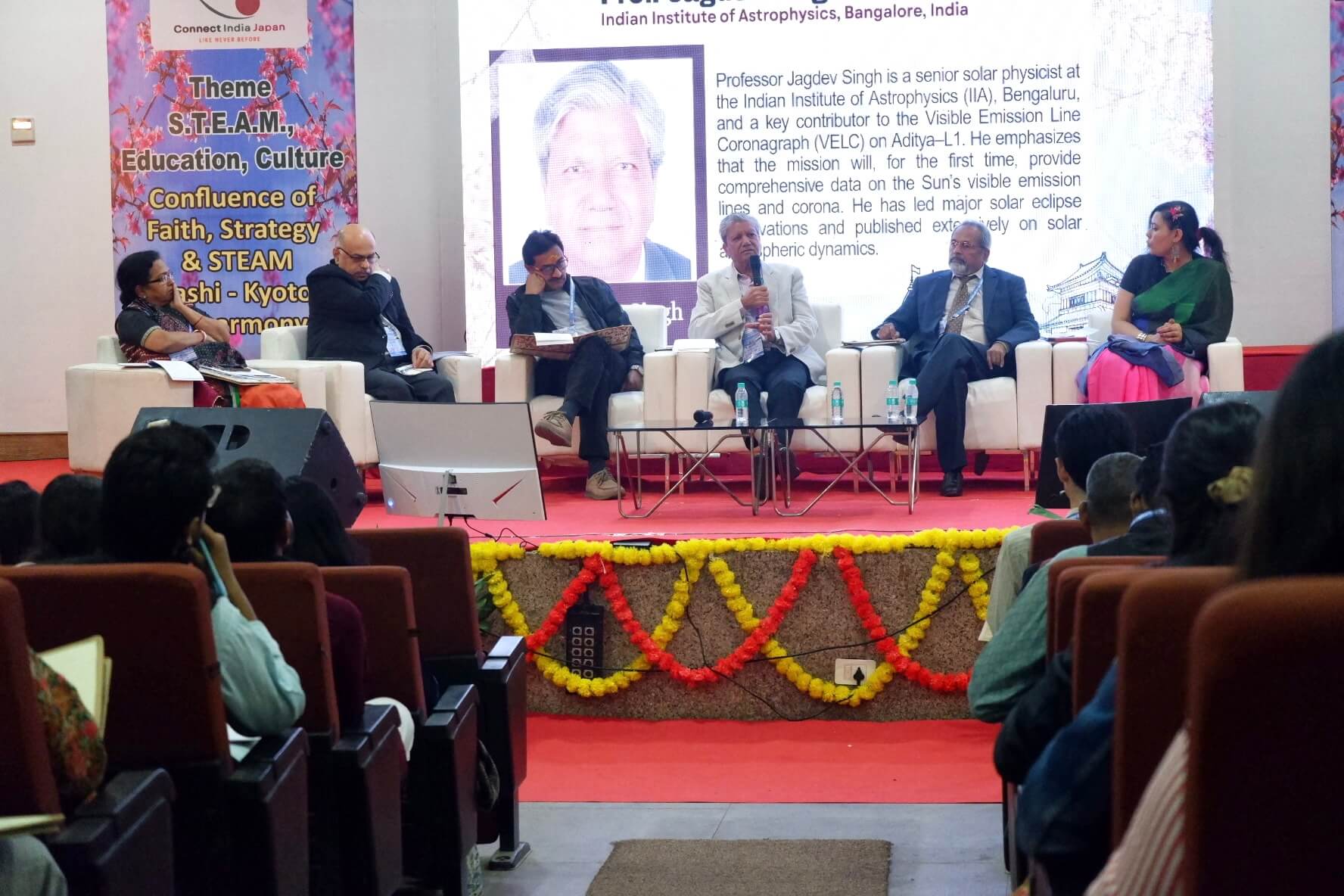
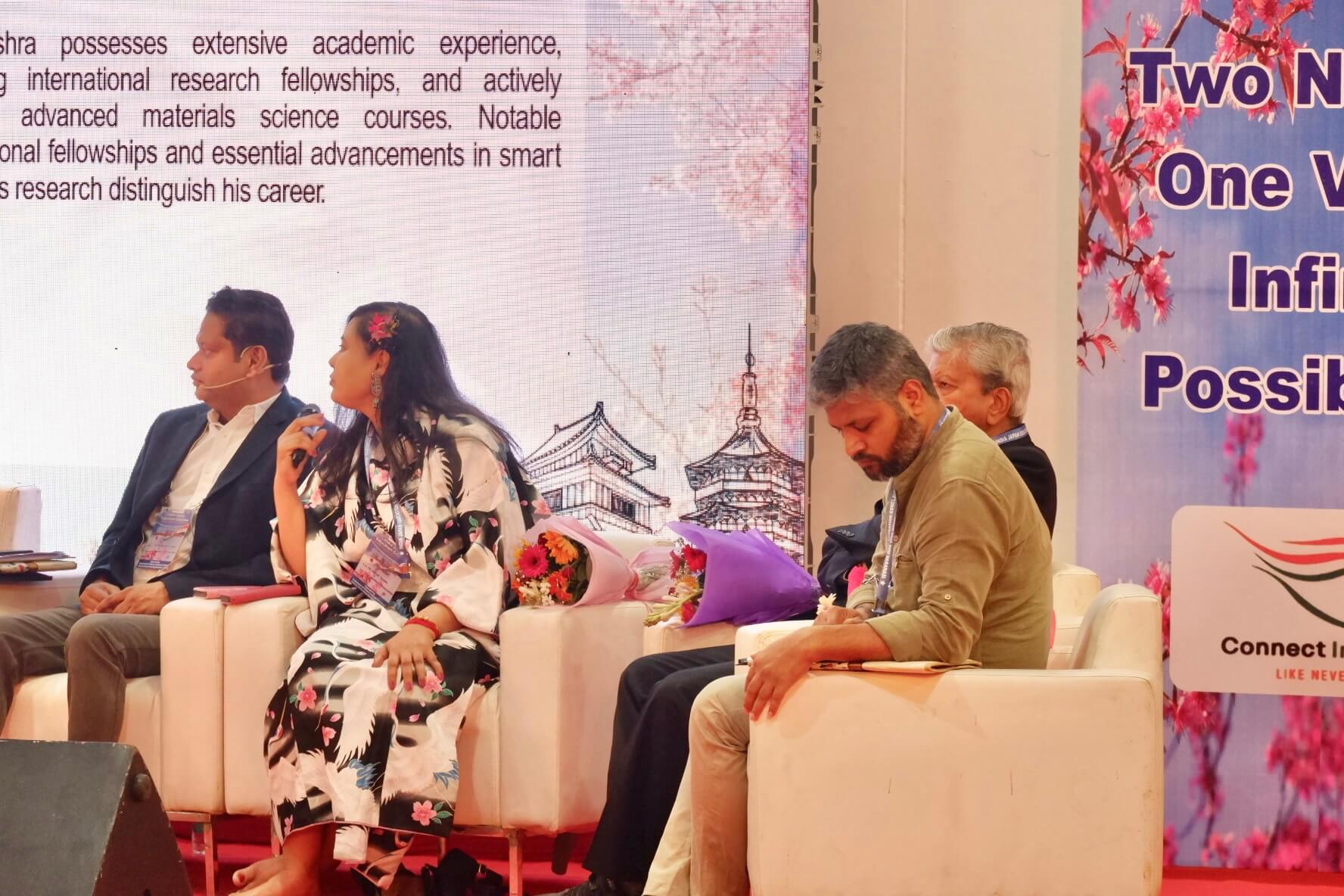
Distinguished Panelists for In-Depth Discussions (Alphabetically Arranged)
- Prof. A.V. Sharma, MMTTC-BHU, India
- Group Captain (Dr) Ajey Lele (Retd.), Deputy Director General, Manohar Parrikar Institute for Defence Studies and Analyses (MP-IDSA), India
- Prof. Amit Gautam, Institute of Management Studies, BHU
- Prof. Bhag Chand Chauhan, Central University of Himachal Pradesh, India
- Dr. Daya Shankar Pandey (FNA, FASc, FNASc, J C Bose National Fellow), Department of Chemistry, Institute of Science, BHU
- Ms. Disha Varshney, BHU Alumni/PARL-BHU member, Data Analyst, India
- Prof. Jagdev Singh, Indian Institute of Astrophysics, India
- Prof. Kazuyuki Furuuchi, Manipal Centre for Natural Sciences, MAHE, India
- Prof. Nishant Singh, IUCAA, India
- Ms. Nupur Tewari, (Connect India Japan), Tokyo, Japan
- Prof. N. V. Varghese, Former Vice Chancellor, NIEPA, New Delhi, India
- Prof. Rajsharan Shahi, BBAU, India
- Dr. Rasmita Das Swain, Associate Professor, National Institute of Educational Planning & Administration, India
- Prof. Shrawan Kr. Mishra, IIT-BHU, India
- Dr. Upendra Nabh Tripathi, IGNOU, BHU, India
- Dr (Prof.) Vikram Singh, Former DG(Police),U.P. & Chancellor, Noida International University (NIU), India
Rapporteur, Proceedings Documentation Team (Alphabetically Arranged)
(Editorial Lead)
- Dr. Vishal Singh Bhadauriya, Post-Doctoral Fellow, Department of History, BHU
(Editorial Team)
- Mr. Aakash Singh, Department of Western History, University of Lucknow
- Mr. Manjul Mishra, Dept of History, BHU
- Mr. Sidhyendra Sisodia, Malaviya Centre for Peace Research, BHU
- Mr. Shubham Mishra, Dept of Sociology, BHU
Treasurer and Co-Convener
Prof. Amit Pathak,
Department of Physics, Institute of Science, Banaras Hindu University, India
Convener and SPOC
Dr. K. Alkendra P. Singh,
Department of Physics Institute of Science, Banaras Hindu University, India
Connect India Japan Representative
Ms. Nupur Tewari (Connect India Japan), Tokyo, Japan
https://www.nupurtewari.com/
https://cijtoday.com/
(Also see: https://cijtoday.com/educon-2025/)
Sessions
| Day | Date | Event |
|---|---|---|
| Day 1 | 14 Nov 2025 |
Session #1: Innovations in STEAM: Science, Technology, Engineering, Arts & Mathematics Session #2: STEAM Beyond Borders: Opportunities, and Fellowship Pathways |
| Day 2 | 15 Nov 2025 |
Session #3: Science, Geopolitics, and the Future of Policy Making Session #4: Education Excellence: Internationalization, Global Standards, and Strategic Cooperation |
| Day 3 | 16 Nov 2025 |
Session #5: Culture and Cross-Cultural Synergies for Global Partnerships Session #6: Youth Empowerment in an Era of Emerging Technologies, Geopolitics: Open Dialogues with Trailblazers |
How to Participate?
Fill the Google Form
Pay the Registration Fee
A confirmation will be sent
After confirmation
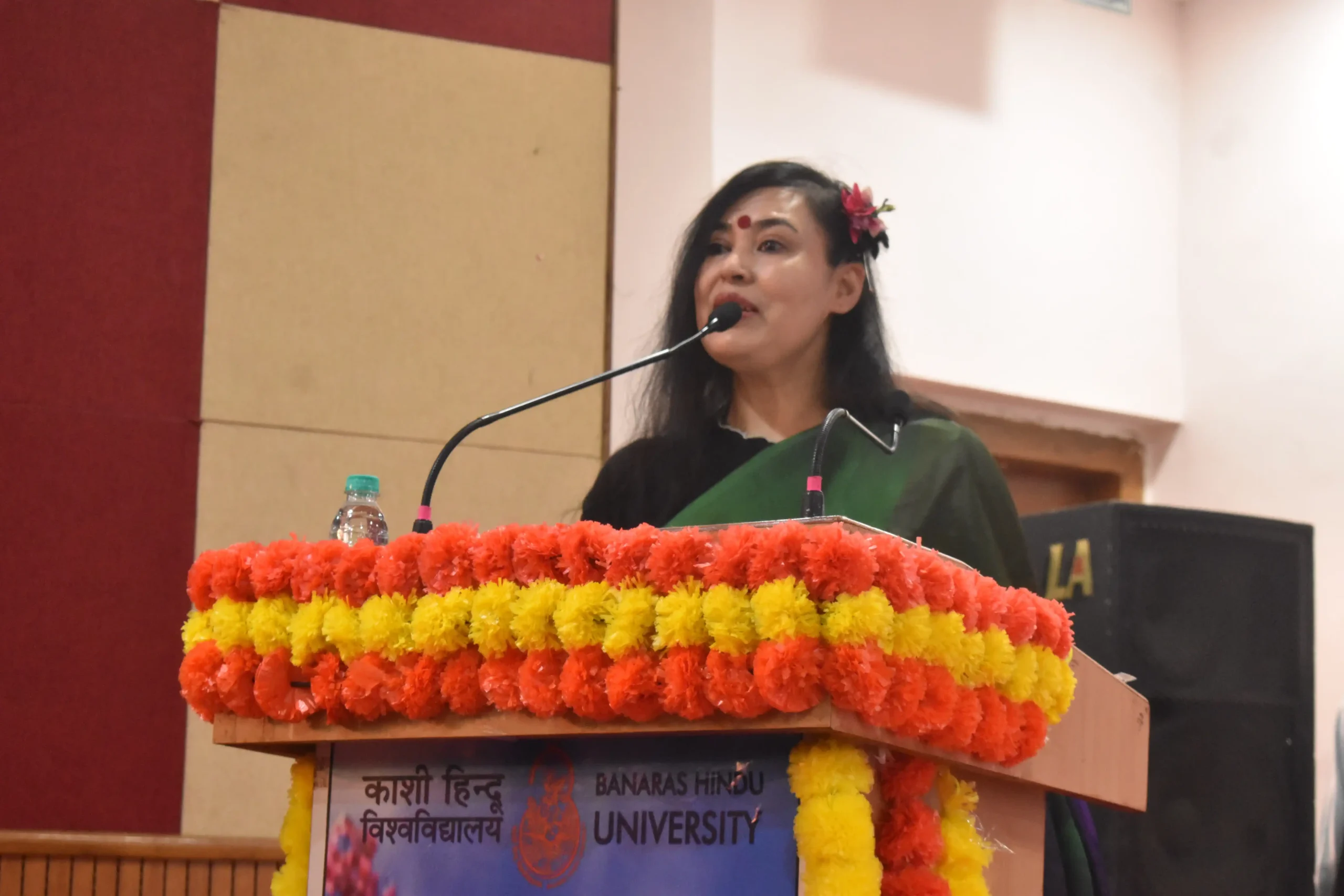
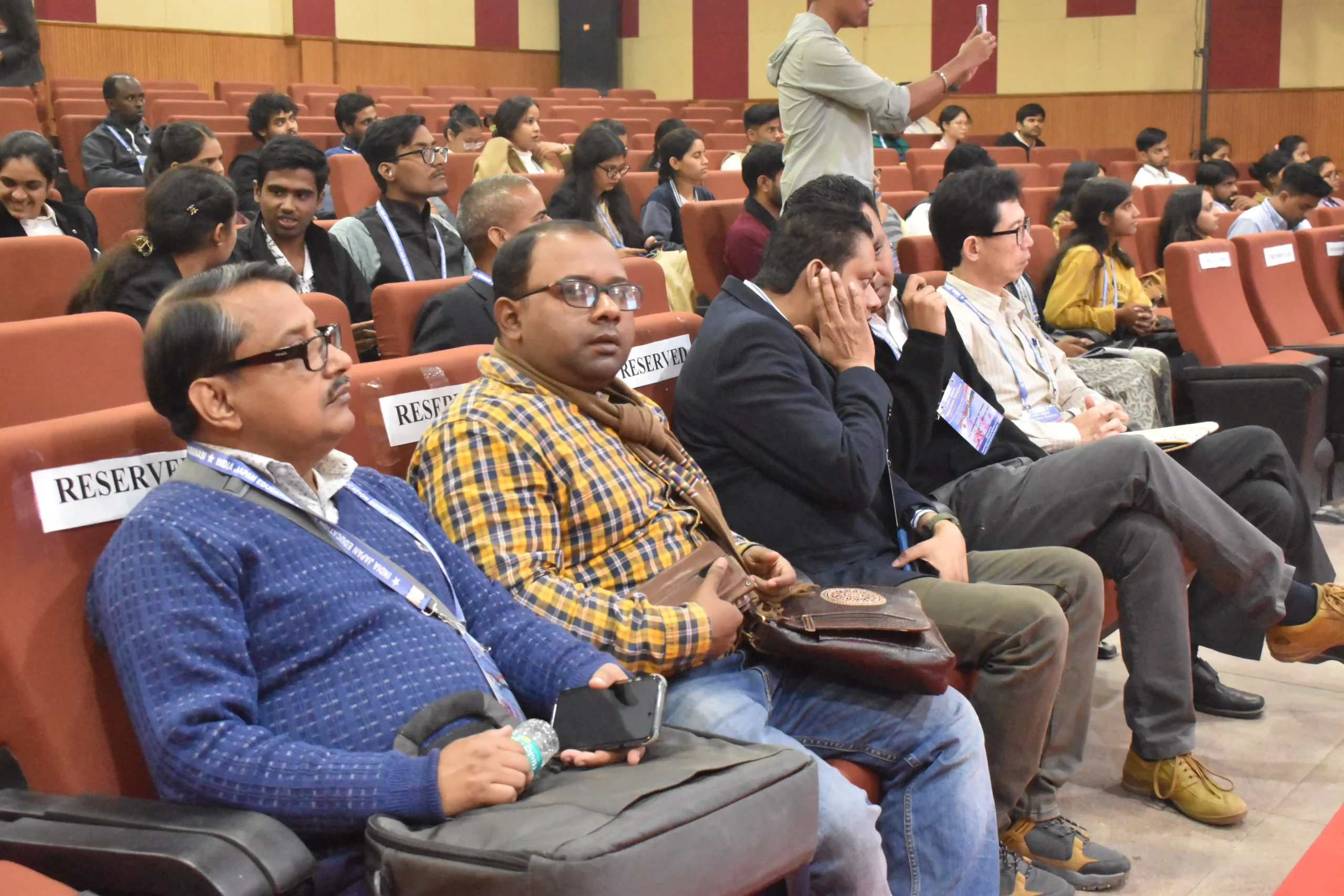
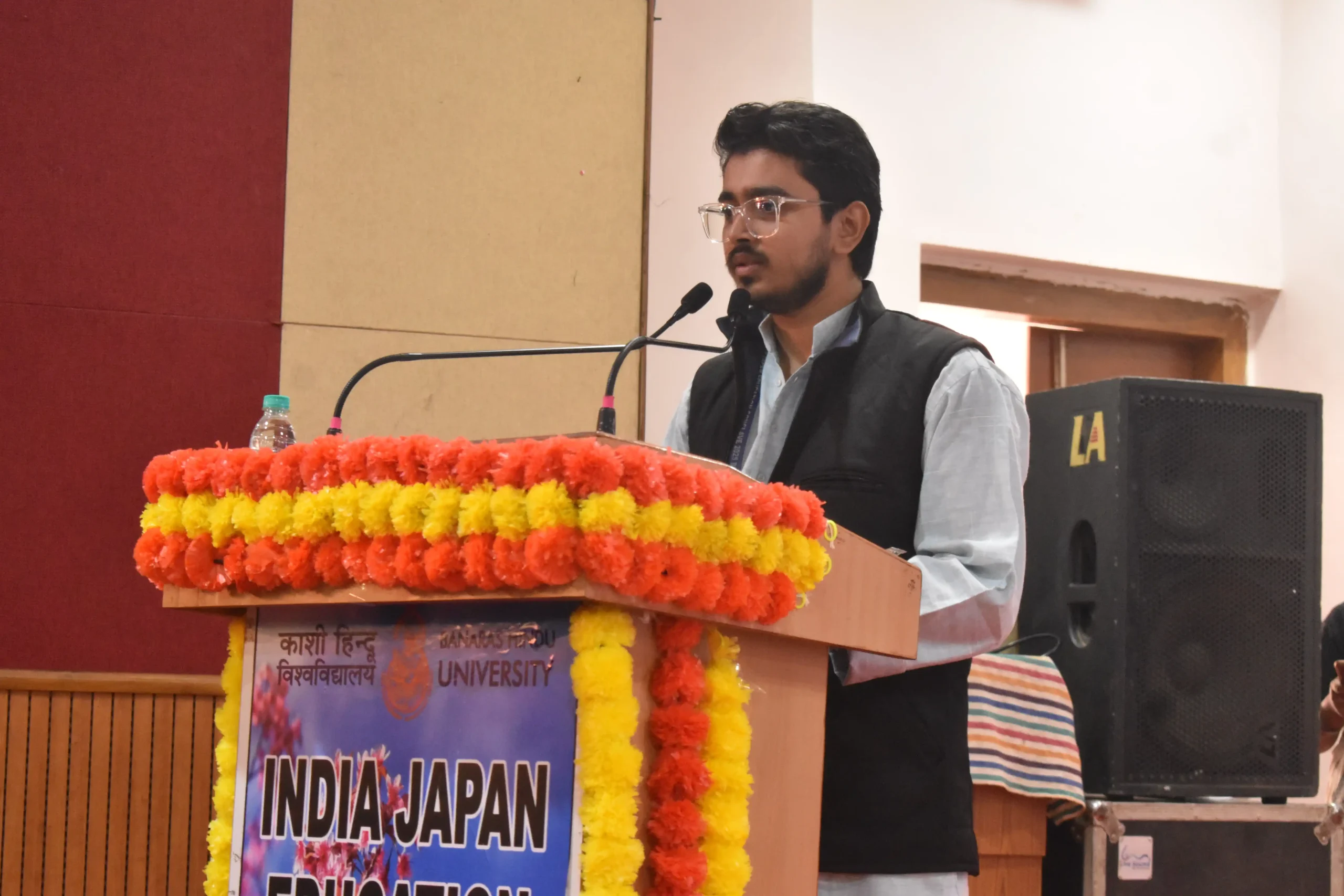
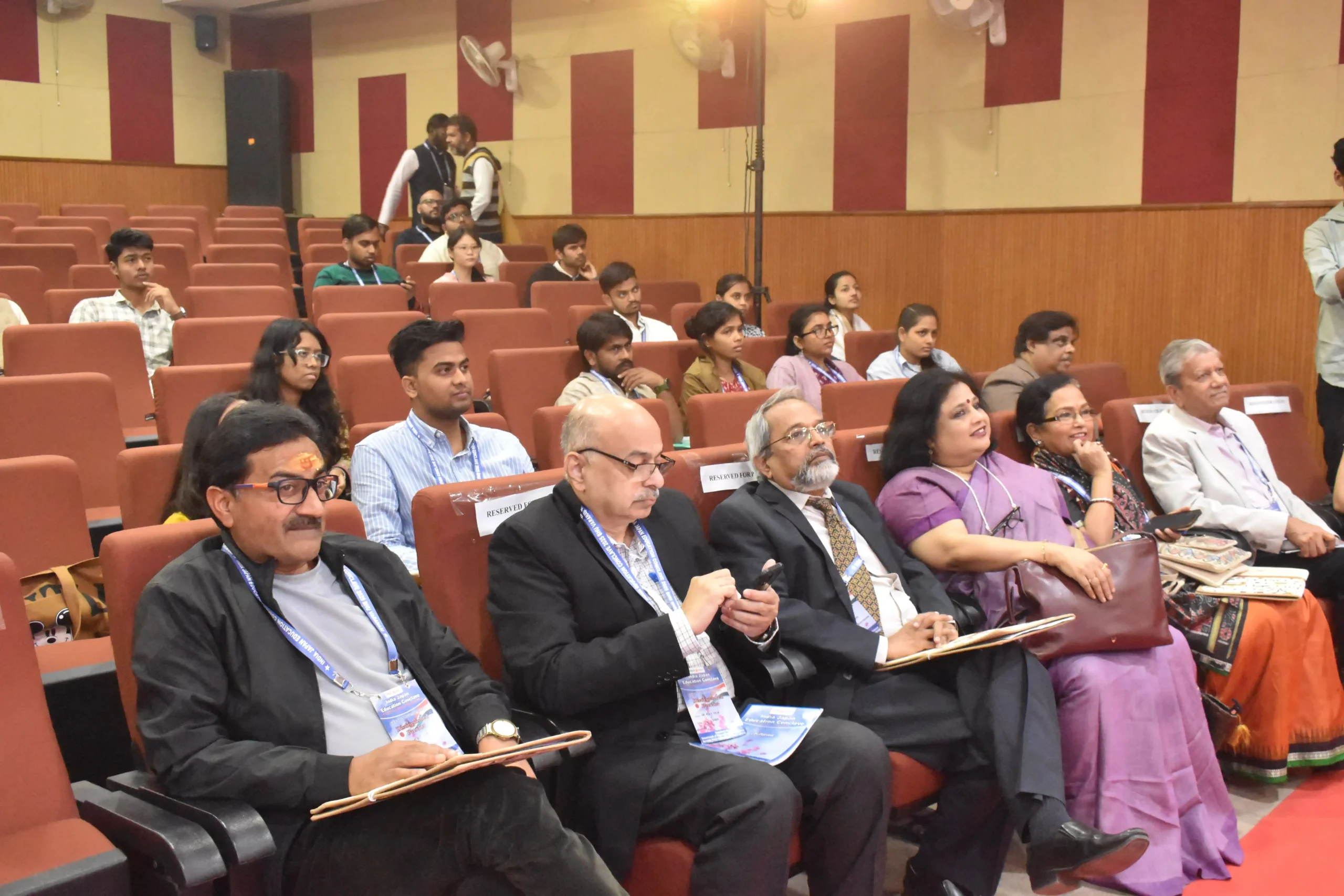
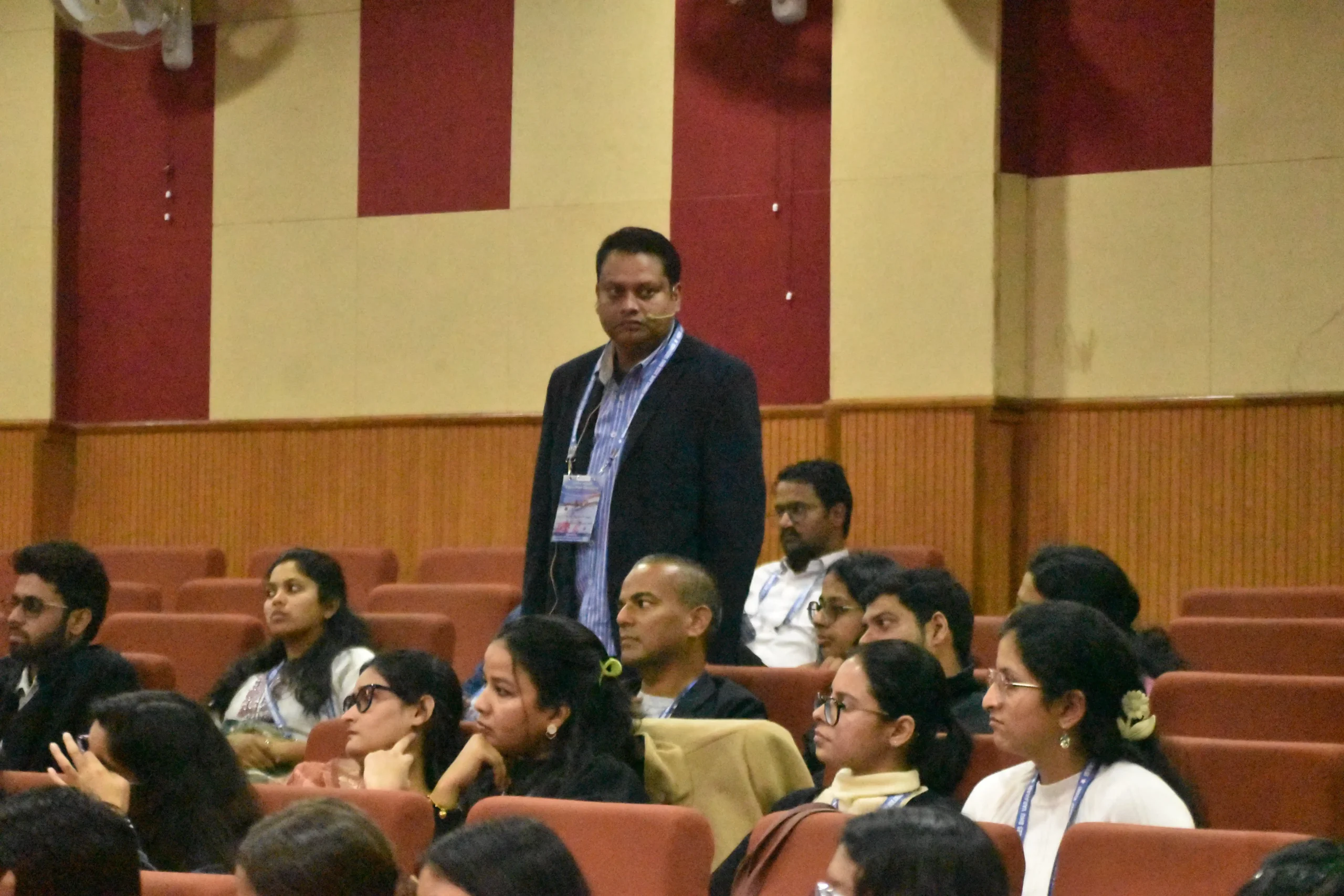
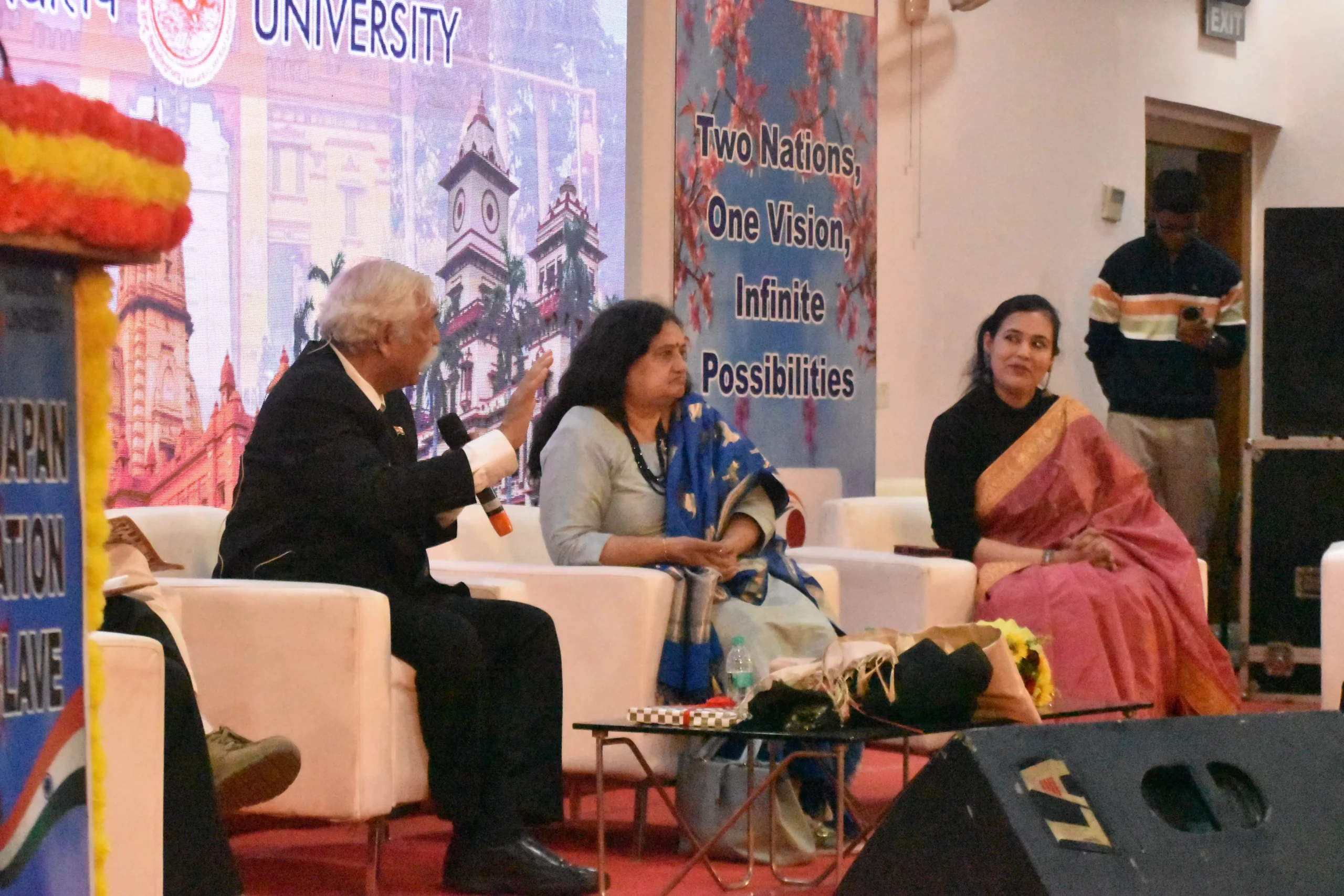
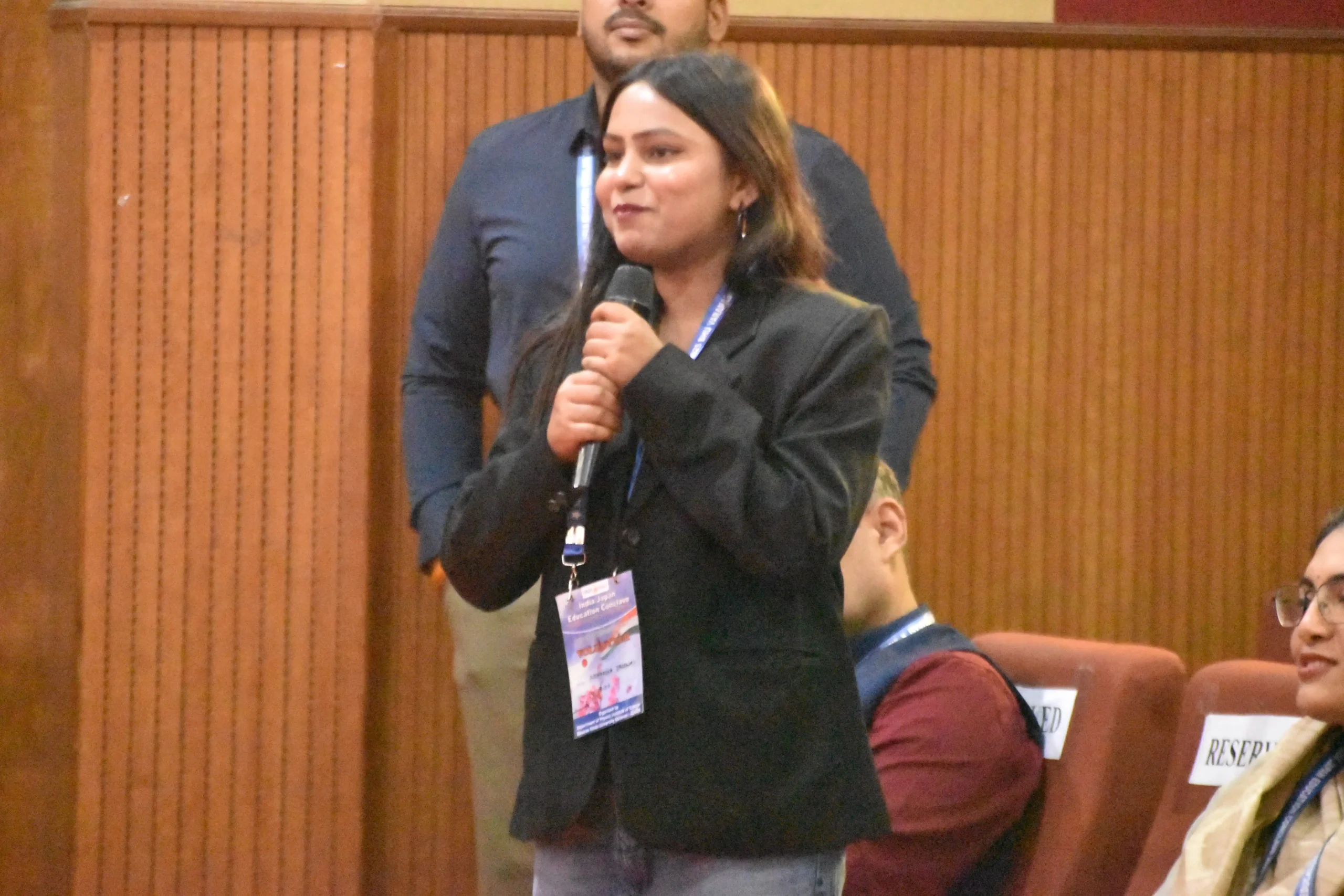
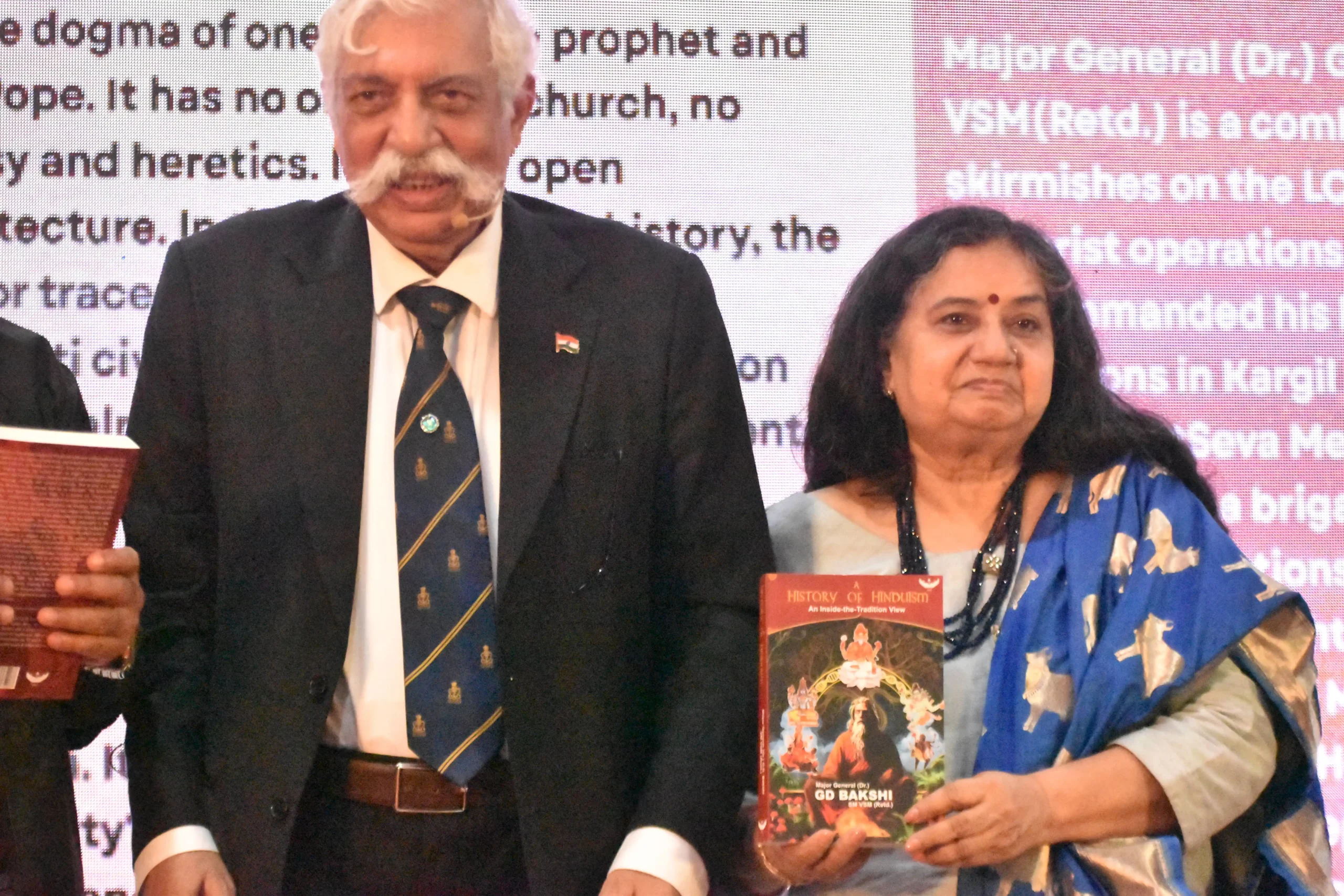
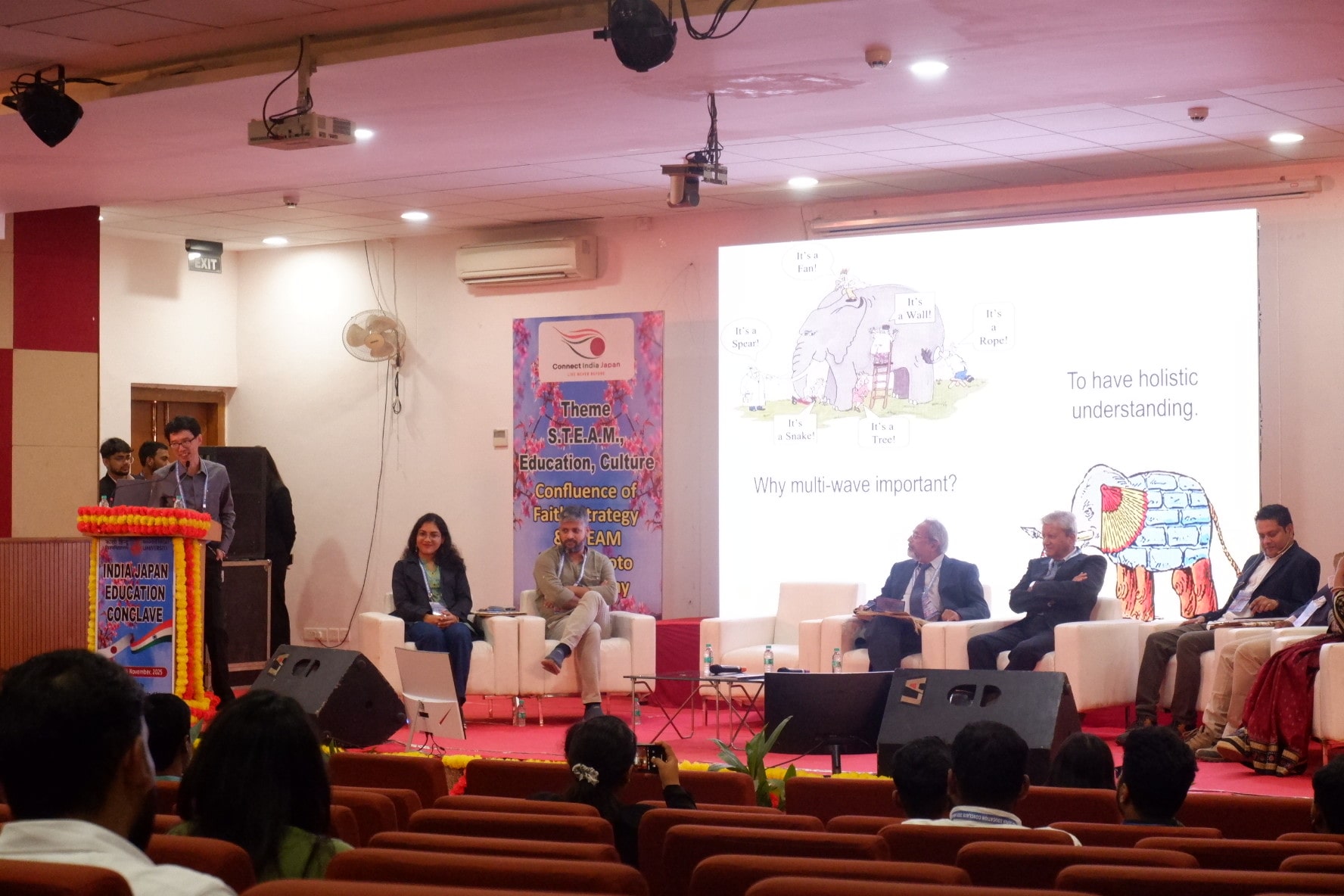
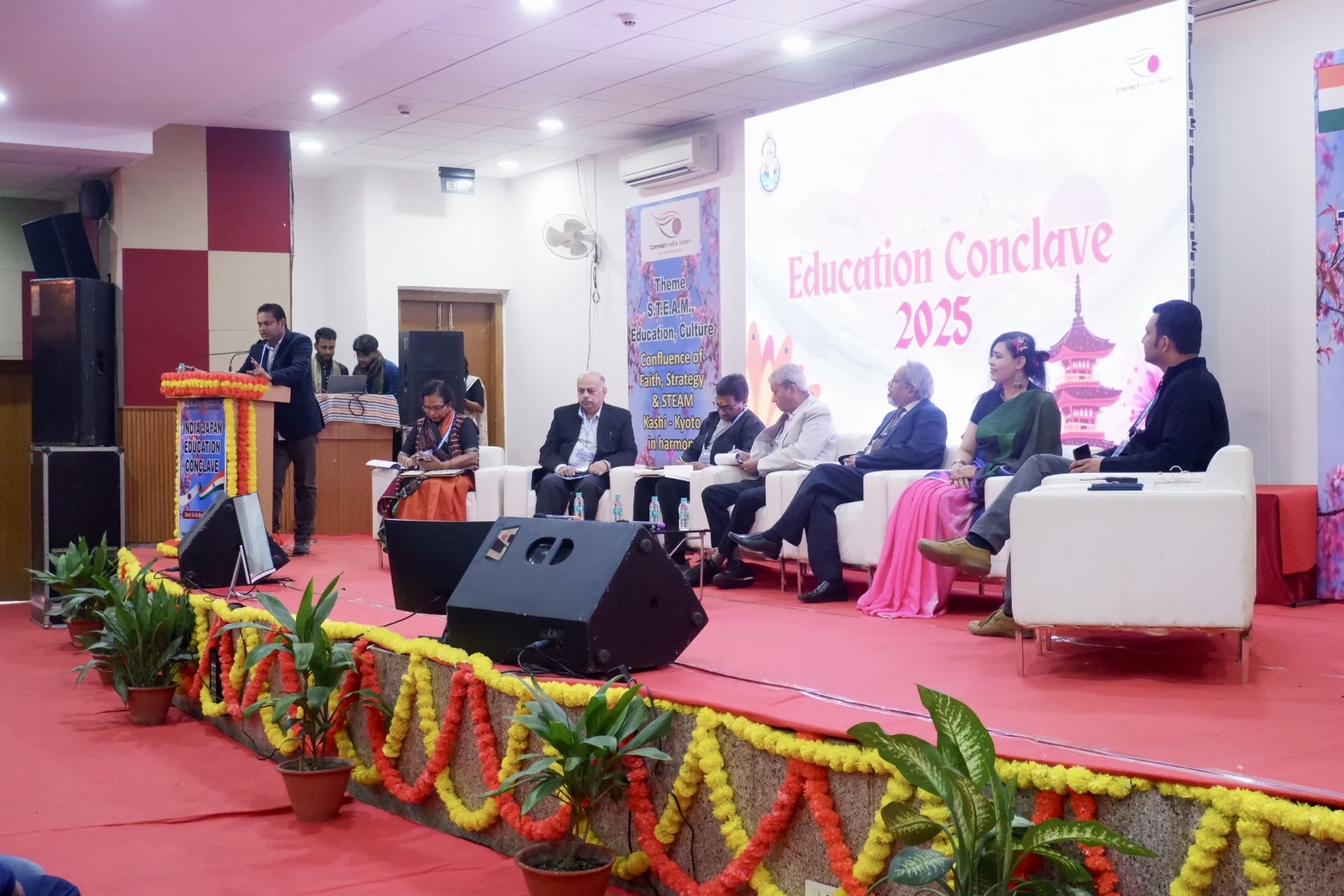
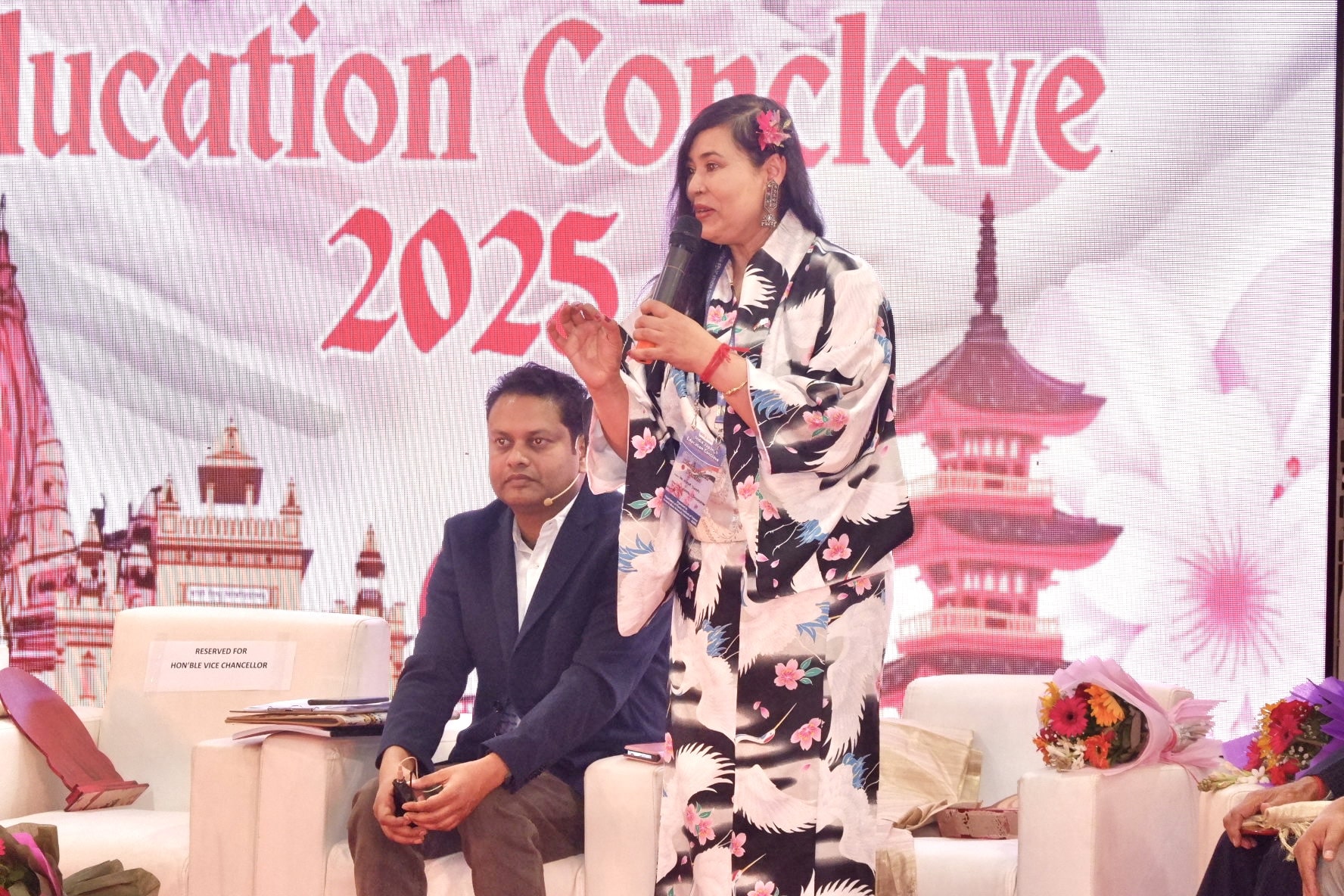
participate in the meeting on 14-16 November, 2025 at Malviya Moolya Anushilan Kendra Auditorium (or मालवीय मूल्य अनुशीलन केंद्र सभागार), BHU, Varanasi.
Conference Code of Conduct
The organisers are committed to maintaining a professional, inclusive, and respectful environment for all participants. Any form of inappropriate or unwelcome conduct, including intimidation, discriminatory language, or disruptive behaviour, is not permitted. All attendees are expected to conduct themselves with professionalism, use inclusive communication, and direct critiques toward ideas rather than individuals. Participants must comply immediately with requests to discontinue unacceptable behaviour. The organisers reserve full authority to take appropriate action, including withdrawal of conference participation without refund, in response to any breach. This Code of Conduct applies to all conference sessions, events, and communications, both formal and informal.
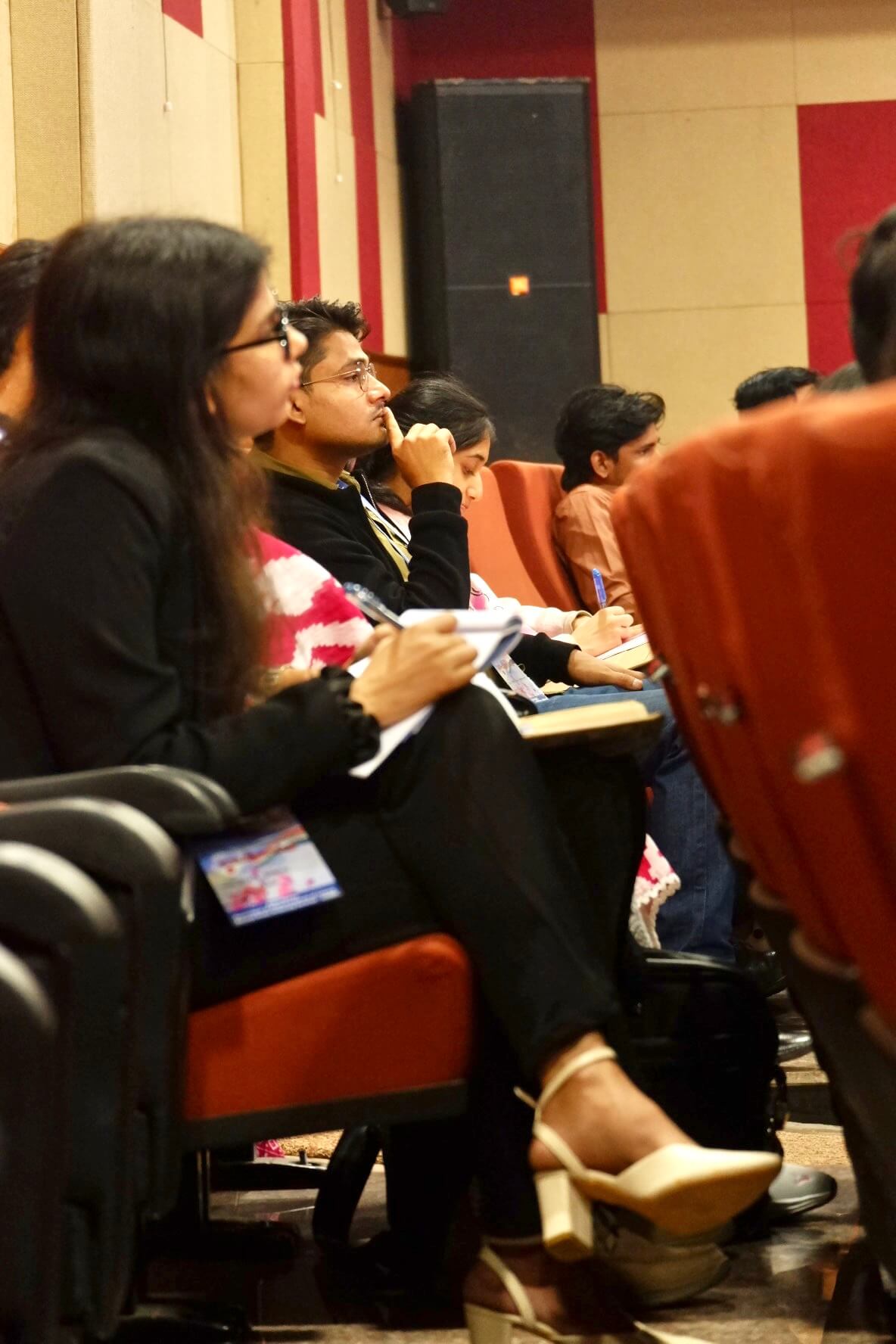
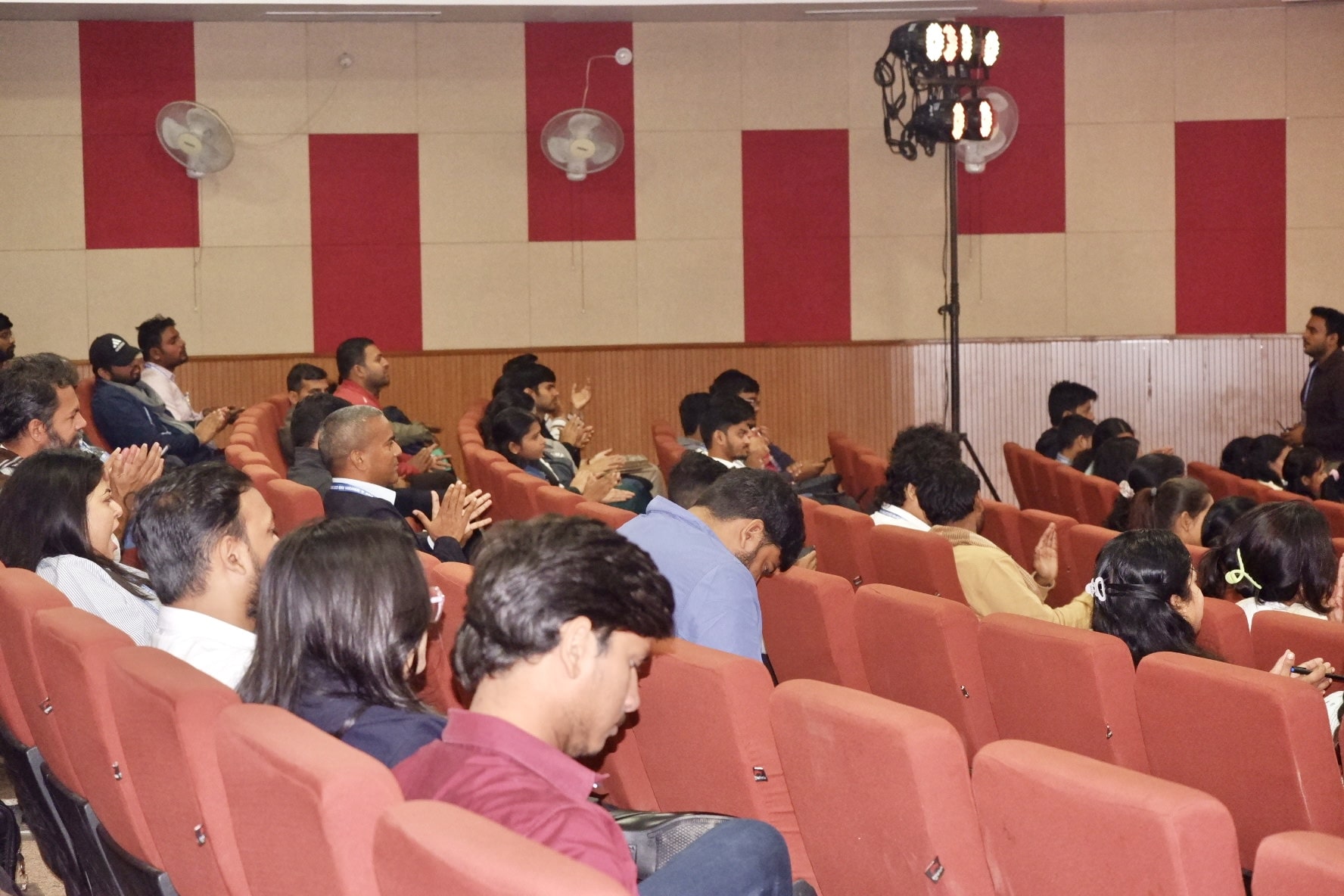
Kindly refrain from excessive mobile use inside the auditorium—keep phones on flight mode and avoid taking photos or videos. Maintain silence and avoid unnecessary movement during sessions. Please do not clap; these are reflective academic exchanges where quiet attention honors the speaker and preserves the sanctity of intellectual engagement.
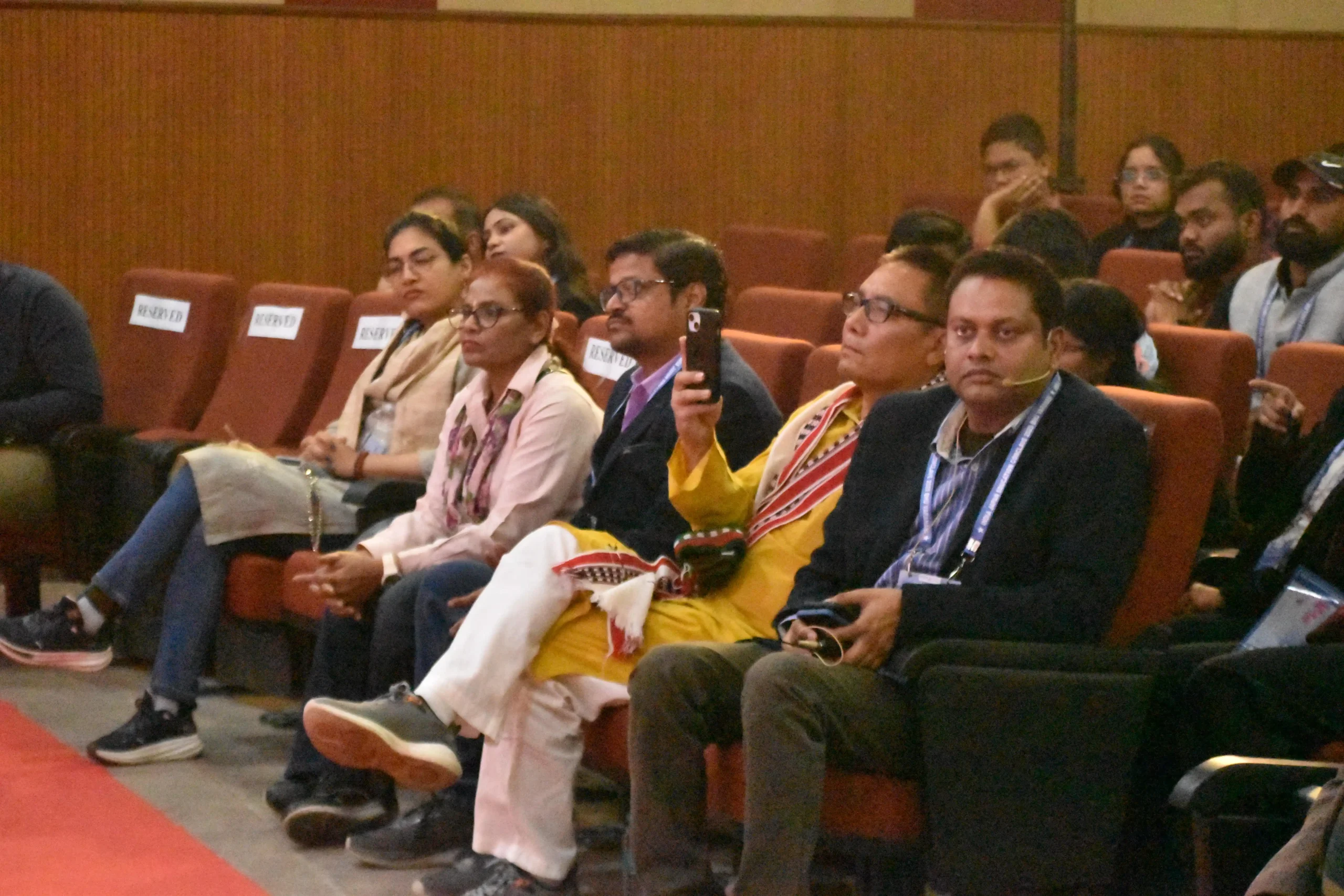
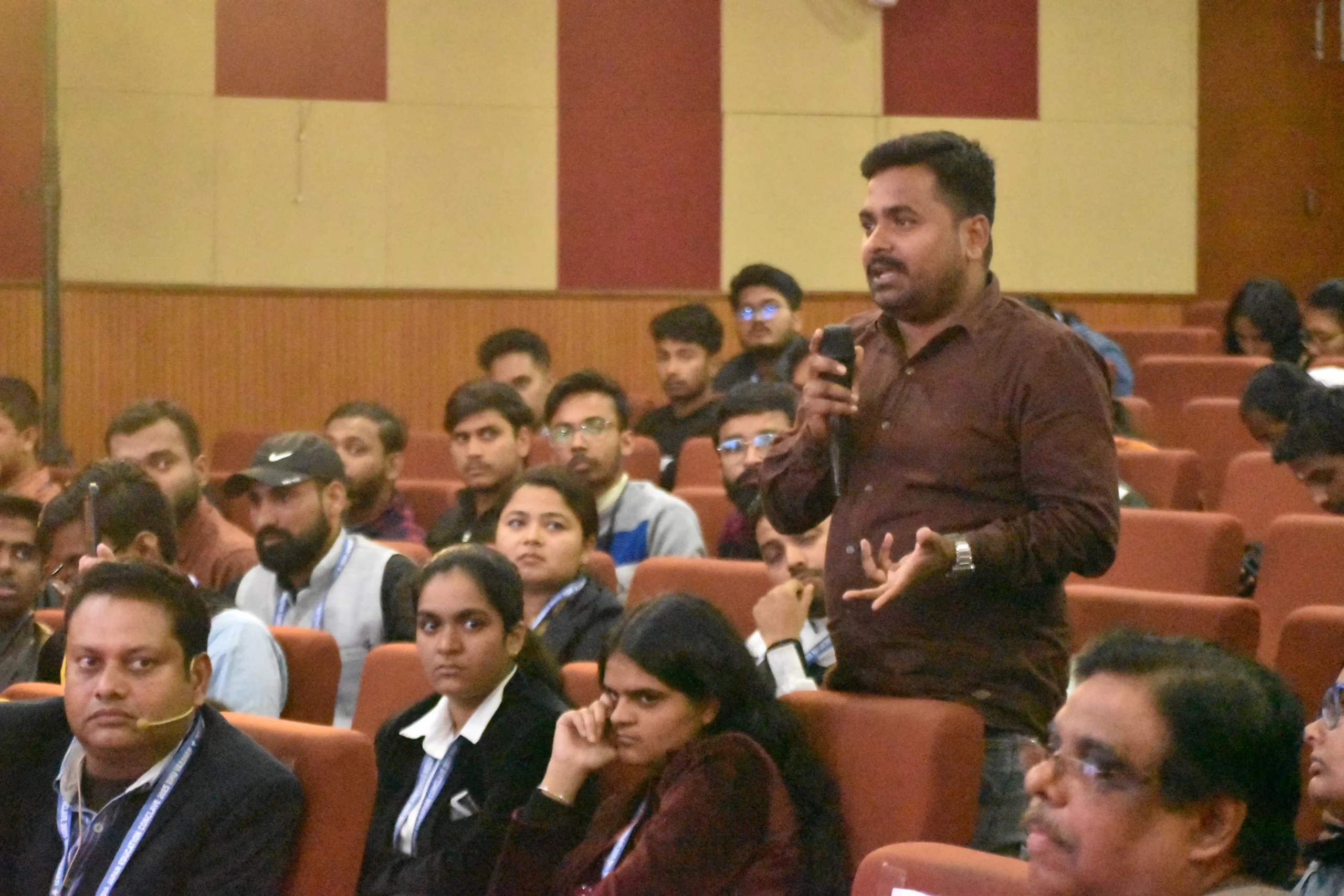
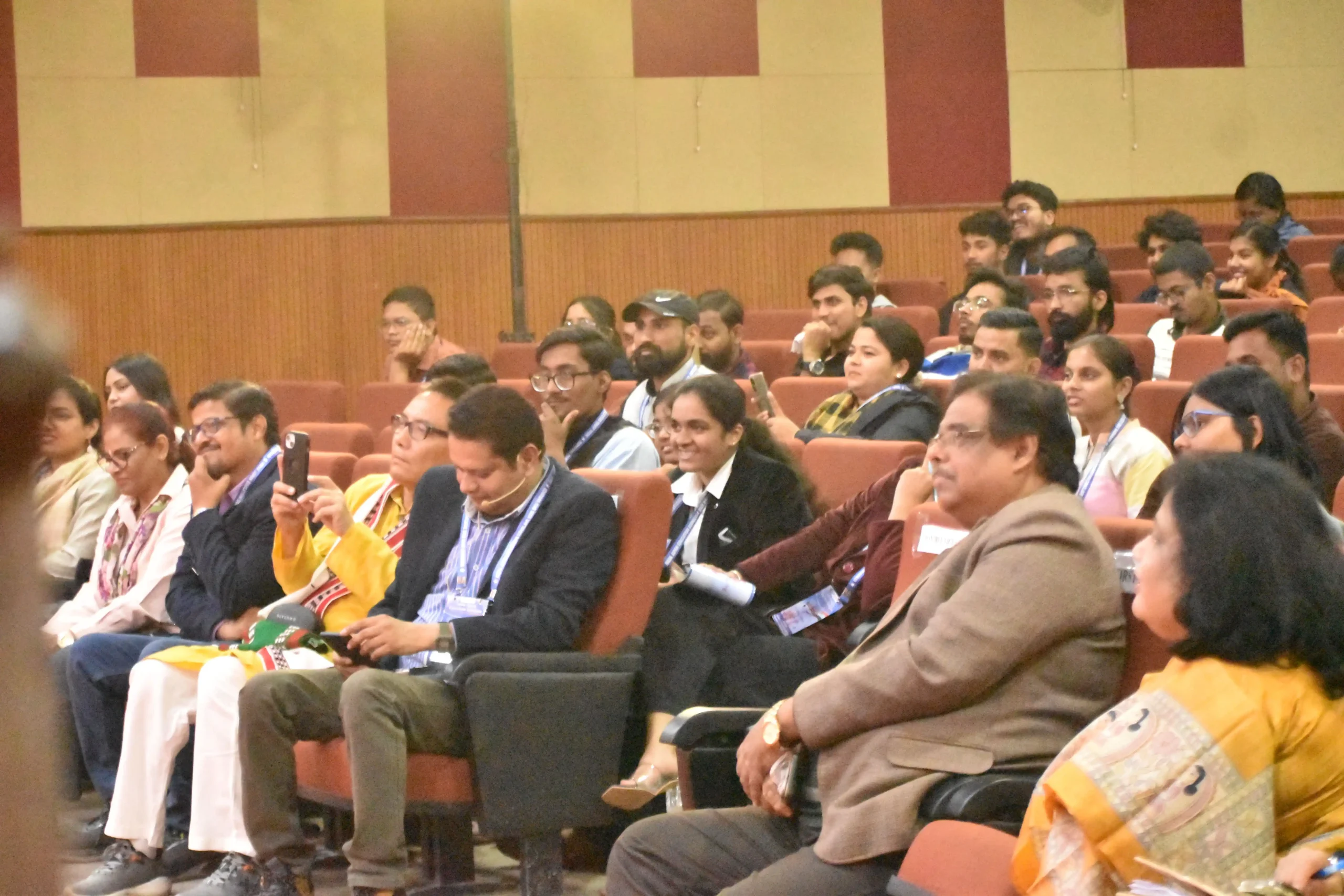
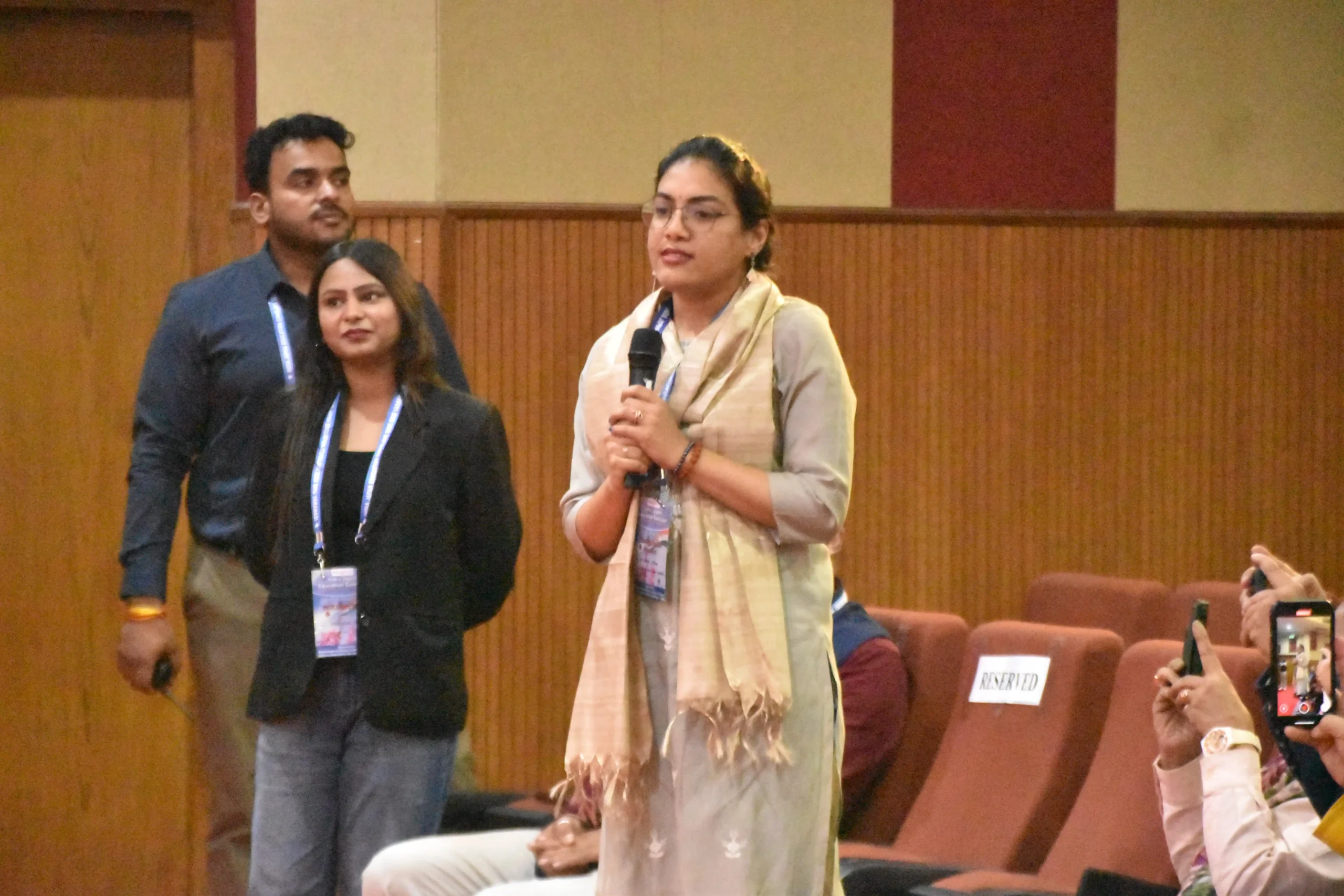
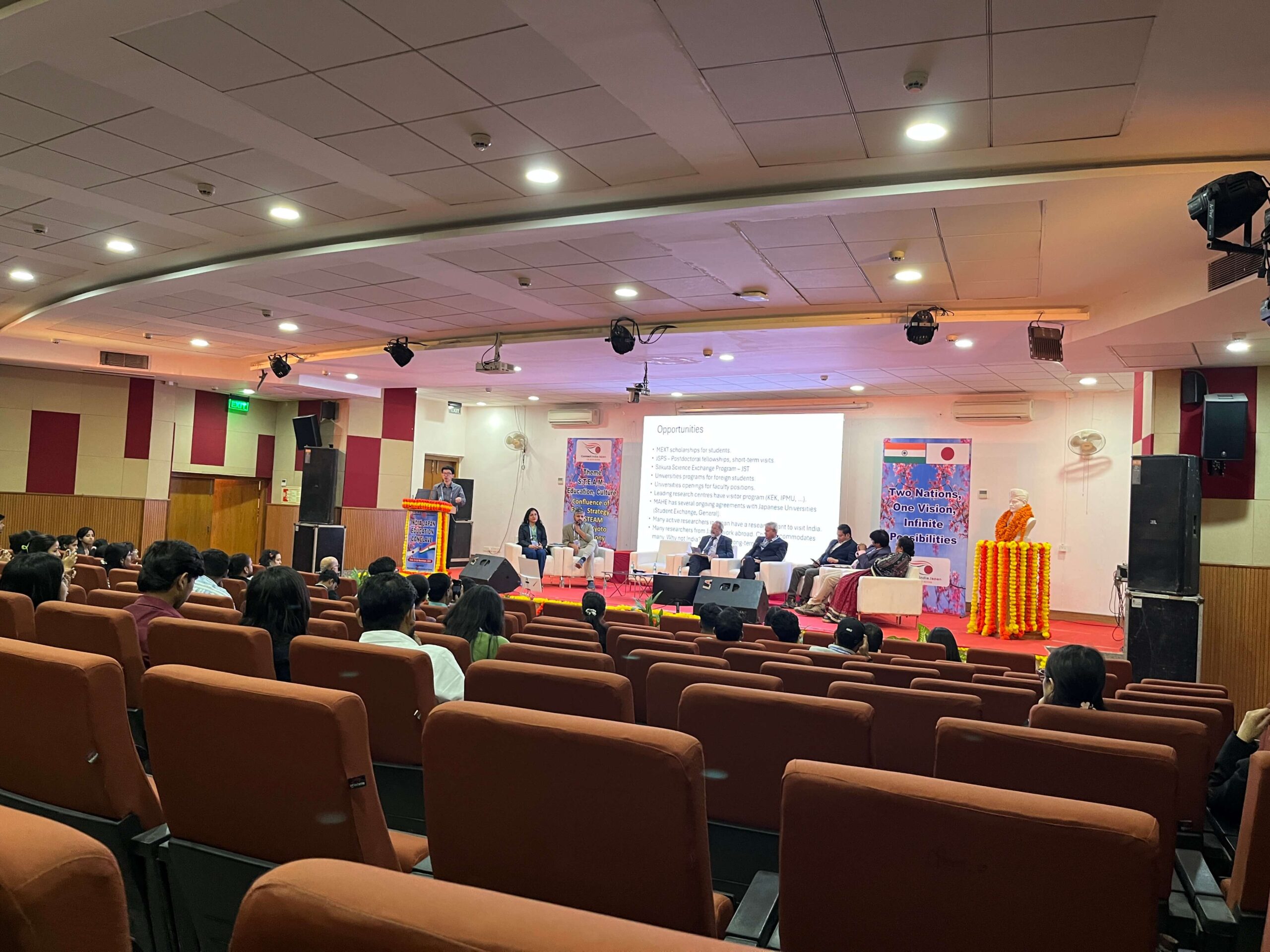
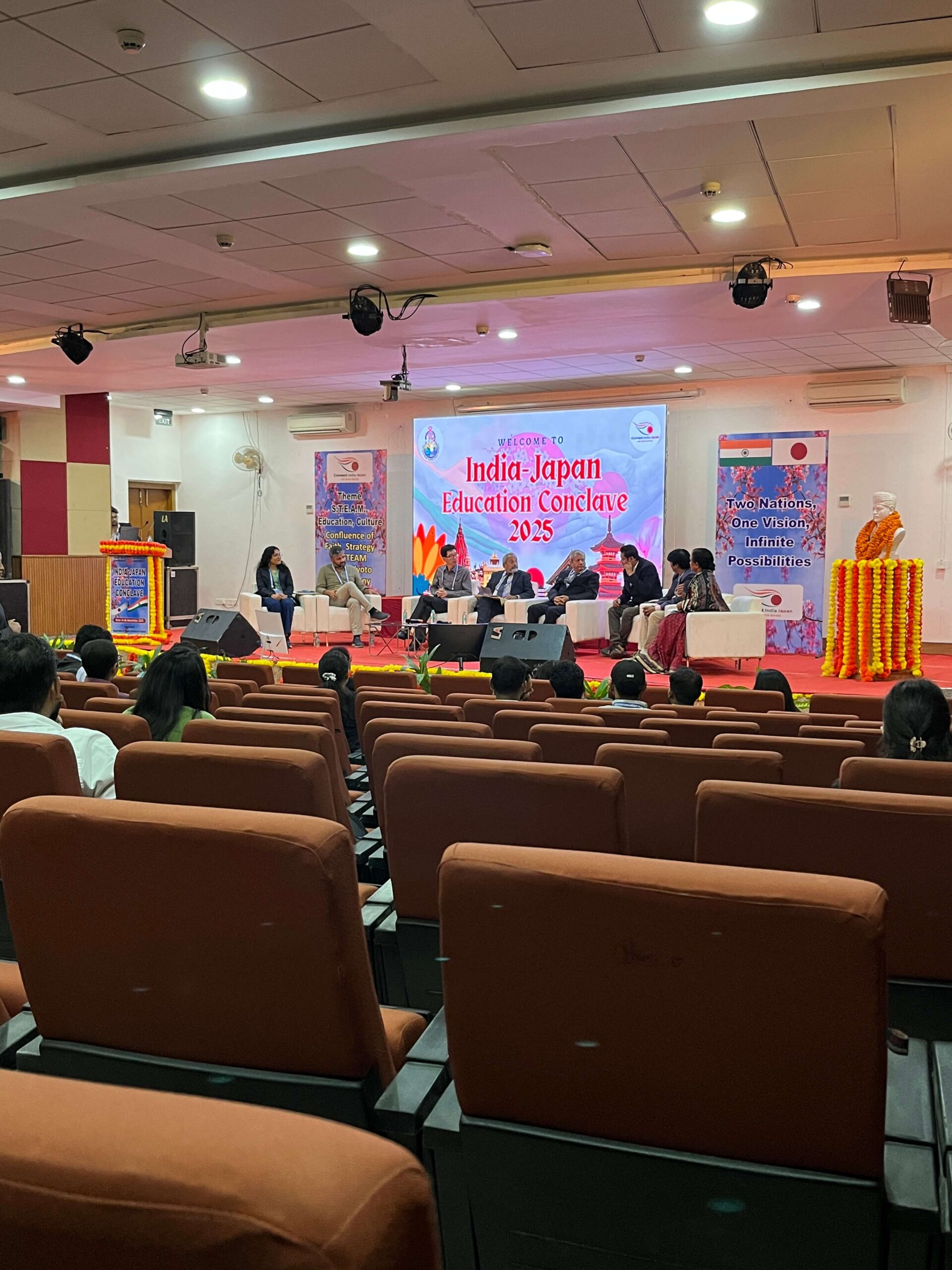
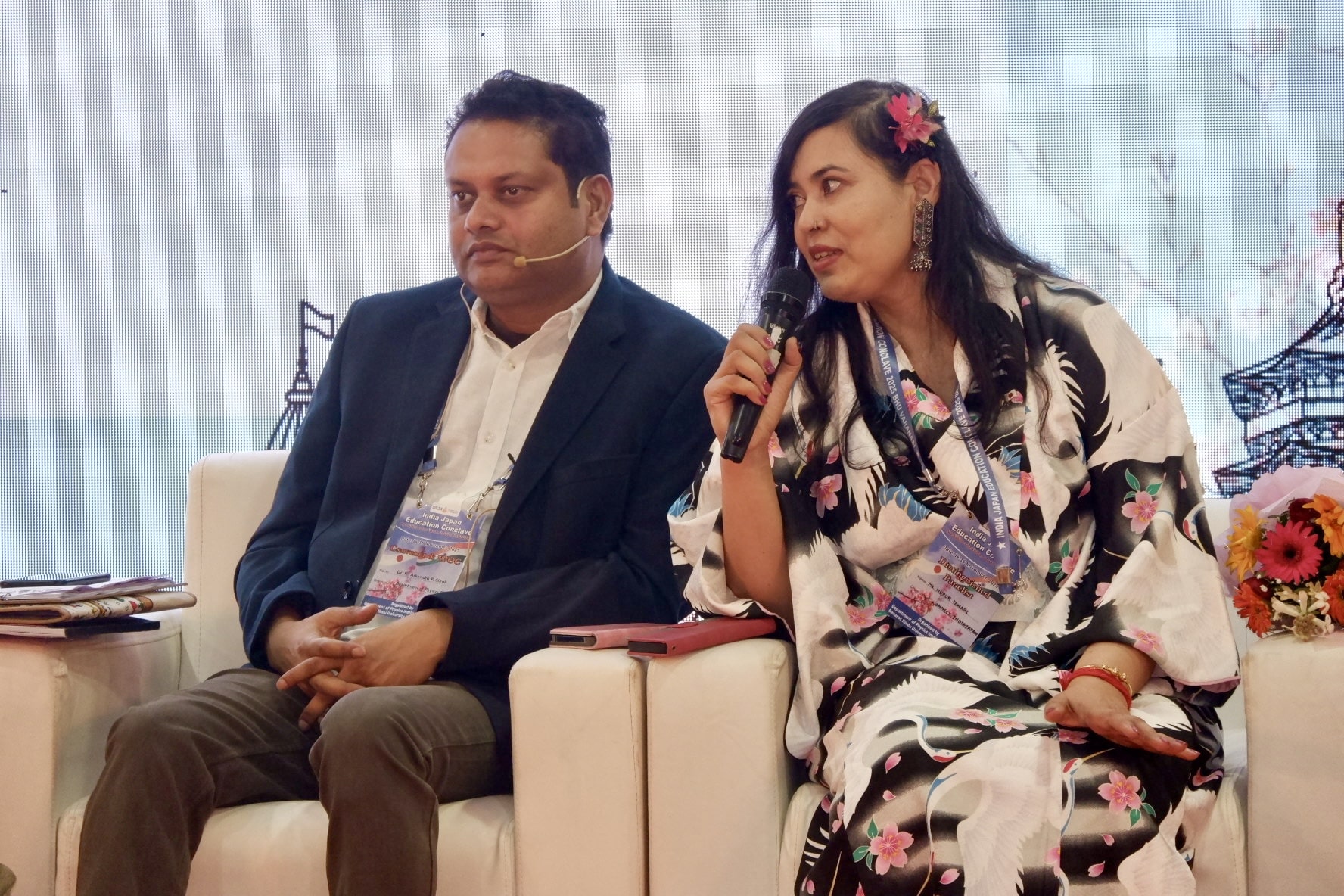
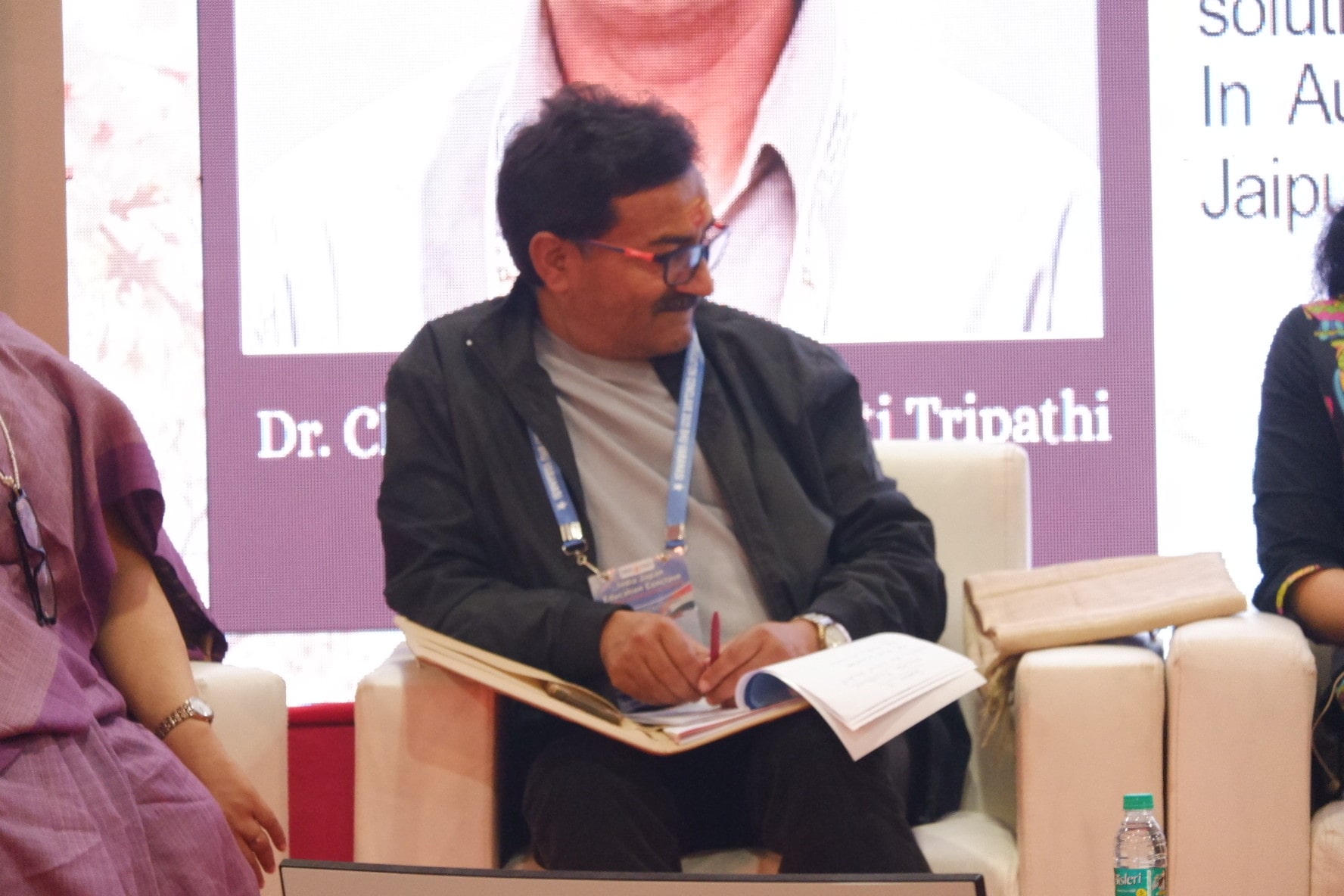
Frequently Asked Questions (FAQ's)
Q. Why students of BHU should attend the India Japan education conclave and what are the deliverables here, after attending the international conference?
Ans. Students of Banaras Hindu University (BHU) should attend the India-Japan Education Conclave because it provides a unique platform to engage directly with leading educators, researchers, and policymakers from both India and Japan. Participation offers exposure to global perspectives on STEAM (Science, Technology, Engineering, Arts, and Mathematics) education, innovative pedagogical practices, and cross-cultural learning opportunities. Students can explore international fellowship pathways, collaborative research prospects, and skill-building sessions that enhance their academic and professional competencies. Attending such a conclave also fosters networking with eminent scholars, industry leaders, and peers, which can be pivotal for career development and future academic collaborations.
The deliverables for students after attending the conclave include enhanced knowledge of global education trends, access to collaborative research opportunities, and potential internships or fellowship programs with Japanese institutions. They gain insights into the integration of culture, technology, and international standards in education, which can be applied to projects, dissertations, or innovation initiatives at BHU. Additionally, students return with certificates of participation, enriched perspectives on policy-making and international collaboration, and strengthened communication and professional networks that can support their future academic and career endeavors.
Q. What is geopolitics and strategic affairs?
Ans. Geopolitics refers to the study of how geography—such as a country’s location, resources, borders, and physical terrain—affects its political power, foreign policy, and global influence. It examines how nations compete or cooperate to secure their strategic interests like trade routes, energy supplies, military bases, and regional dominance. In essence, geopolitics connects geography with power and decision-making on the world stage.
Strategic affairs deal with the policies, planning, and actions nations undertake to safeguard their national interests, security, and influence. This includes defense strategy, international alliances, diplomacy, intelligence, and military preparedness. While geopolitics explains why nations act in certain ways, strategic affairs focus on how they implement those actions to achieve long-term objectives in a competitive global environment.
Q. What is the meaning of strategic partnerships?
Ans. Strategic partnerships refer to long-term, purposeful collaborations between two or more entities—such as countries, organizations, or institutions—designed to achieve shared goals that go beyond short-term interests.
In the context of international relations, a strategic partnership means two nations cooperate deeply across key areas like defense, trade, technology, education, and culture, while aligning their long-term visions for regional and global stability. Unlike ordinary partnerships, strategic ones are built on mutual trust, complementary strengths, and shared strategic interests, aiming to create lasting benefits and resilience against global challenges.
Q. What is the difference between Strategy and plan?
Ans. The difference between strategy and plan lies in their scope and purpose:
Strategy is the overall approach or direction chosen to achieve a long-term goal. It defines what you aim to achieve and why. Strategy involves vision, priorities, and positioning — for example, deciding to strengthen India–Japan educational collaboration to enhance innovation capacity.
Plan is the specific set of steps or actions designed to implement the strategy. It outlines how and when things will be done — for example, organizing workshops, exchange programs, and joint research projects to realize that strategic goal.
Q. What is meant by emerging and disruptive technologies?
Ans. Emerging technologies are new or rapidly developing innovations that have the potential to significantly impact industries, economies, and societies. They are often in early stages of development or adoption—examples include artificial intelligence (AI), quantum computing, biotechnology, and renewable energy systems. These technologies emerge as transformative tools that can reshape existing practices or create entirely new opportunities.
Disruptive technologies, on the other hand, are innovations that fundamentally alter or replace existing systems, markets, or products. They often start small but quickly challenge established players by offering better, cheaper, or more accessible alternatives. Examples include smartphones disrupting traditional communication, or ride-sharing apps transforming urban transport.
In essence, emerging technologies are new and developing, while disruptive technologies change the game—often emerging ones become disruptive as they mature and spread.
Q. What are the examples of disruptive technologies?
Ans. Disruptive technologies are transforming industries, society, and daily life. Key examples include AI and Machine Learning for automation, Blockchain for secure transactions, IoT for connected systems, 3D Printing for manufacturing, Renewable Energy, Autonomous Vehicles, Cloud Computing, Quantum Computing, VR/AR, and Biotechnology (CRISPR). In astronomy, space, and defence, these innovations—along with automated defence systems, advanced satellites, CubeSats, autonomous spacecraft, and next-generation propulsion—are reshaping exploration, observation, and strategic capabilities globally.
Q. How can students transform their learning and perspective through the India-Japan Education Conclave?
Ans. By actively participating, reflecting on cross-cultural practices, and exploring technological and educational innovations, students gain a broader worldview, develop strategic thinking, and acquire skills to address complex challenges in academia, research, and society at large.
The India-Japan Education Conclave at BHU creates a platform where education, culture, and innovation converge, enabling students to engage with global perspectives, emerging technologies, and cross-cultural insights. It fosters critical thinking, creativity, and collaborative problem-solving, helping participants understand how knowledge, cultural awareness, and technology together shape the future of learning and research.
How does the ancient Indian art of questioning—rooted in śravaṇa, manana, and nididhyāsana—guide the modern seeker from information to wisdom?
Ans. In the ancient Indian tradition, the art of questioning was a sacred discipline that transformed listening into wisdom. It began with śravaṇa — attentive hearing with full awareness; followed by manana — reflection that refines curiosity and separates insight from information; and culminated in nididhyāsana — inner realization. True questions emerged not from confusion but from contemplation — precise, purposeful, and sincere. The Nyāya Shastra described a good question as clear in subject (vishaya), purposeful (prayojana), arising from doubt (samshaya), and grounded in reason (pramāṇa). In this Prashna–Parampara, inquiry was not debate but dialogue — a shared journey toward truth. Modern students and researchers can revive this spirit by engaging deeply, thinking independently, and asking questions that connect ideas and open new pathways of thought. When an answer is received, it must be reflected upon, for wisdom grows through silence and assimilation. Thus, questioning becomes a bridge between ancient insight and modern understanding.
What is the fundamental difference between a nation, a country, and a civilization, and how do they relate to each other?
Ans. A country represents the tangible framework of governance and territory — a political expression of organized society. A nation transcends borders, embodying a shared consciousness rooted in history, culture, and emotional unity among people. Beyond both lies civilization — the enduring continuum of wisdom, values, and creativity that shapes humanity’s higher purpose. While a country safeguards sovereignty, and a nation nurtures belonging, civilization preserves meaning across centuries. Their relationship is hierarchical yet harmonious: the country anchors, the nation inspires, and civilization enlightens — together forming the architecture of collective human advancement and identity.
Be the Exclusive School/Instiutional Partner at BHU’s
India –Japan Education Conclave!
Why Join Us?
- Become part of futuristic educational programs
- Build long-term partnerships with India–Japan stakeholders
- Gain massive impact and visibility in the academic world
- Lead the way through early collaborations
- Empower the next generation of intellectual leaders in Varanasi & beyond
We are seeking
- Exclusive STEM School Partner
- Exclusive Holistic Education School Partner
- Private Universities, National Universities of India and Japan, Institutions, Think Tanks
If your school is ready to shape the future of education, join us in this landmark initiative.
Or, fill the form below:
Who Should Attend?
School Delegation
Interact with academicians and cultural ambassadors
Undergraduates
Exposure to global exchange programs
Postgraduates & PhD Scholars
Advanced studies & research collaborations
Educators & Professionals
Partner, share expertise, and shape the future
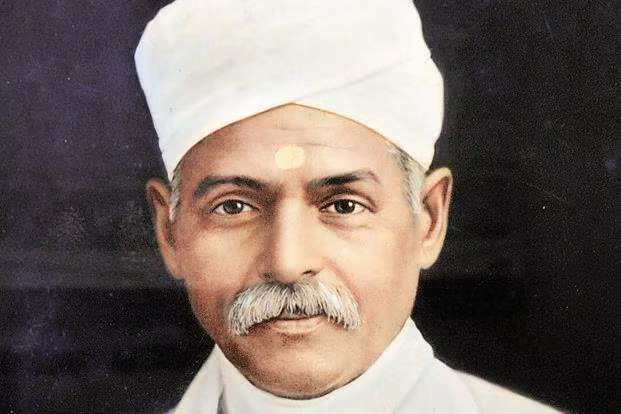
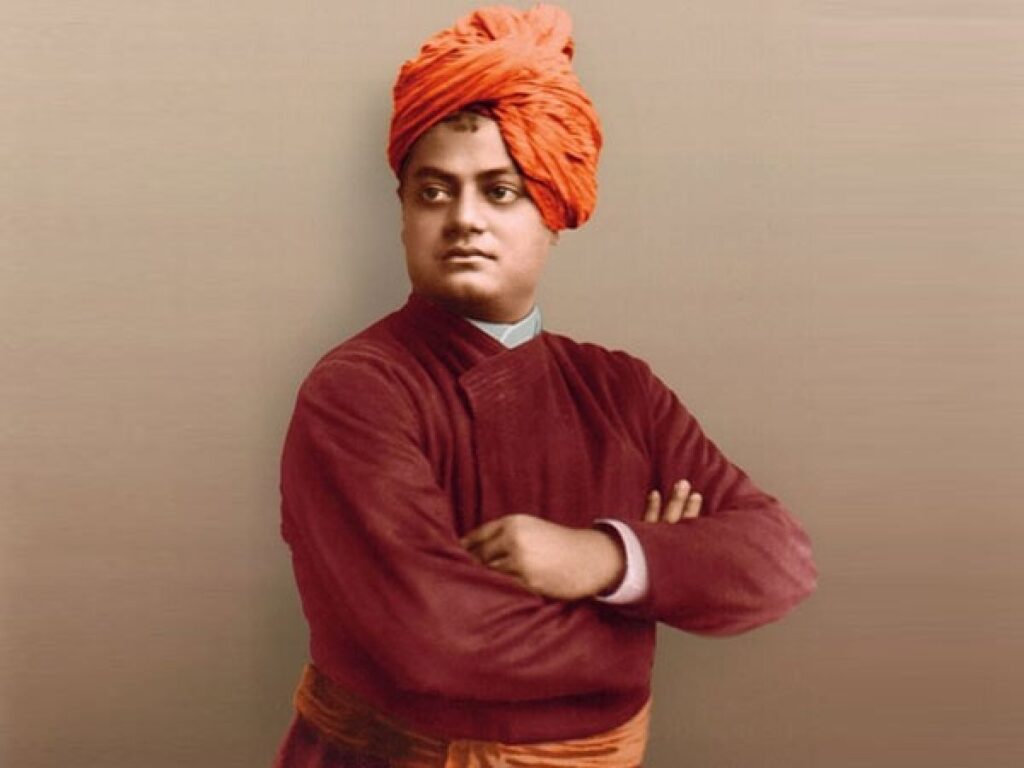
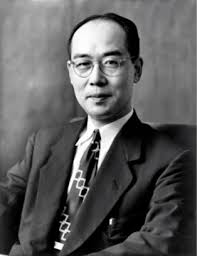
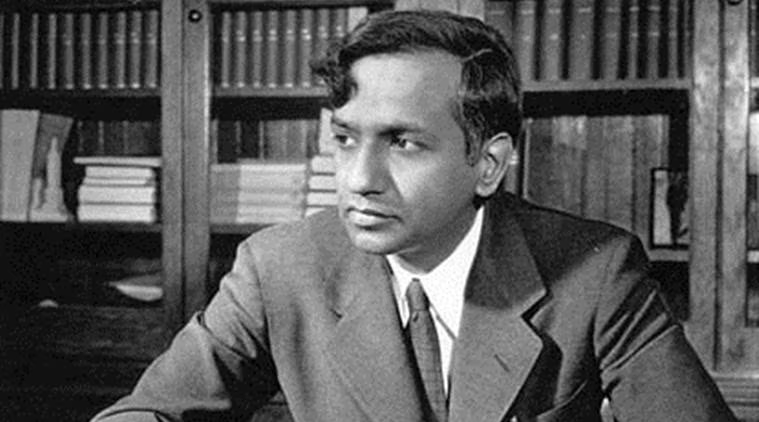
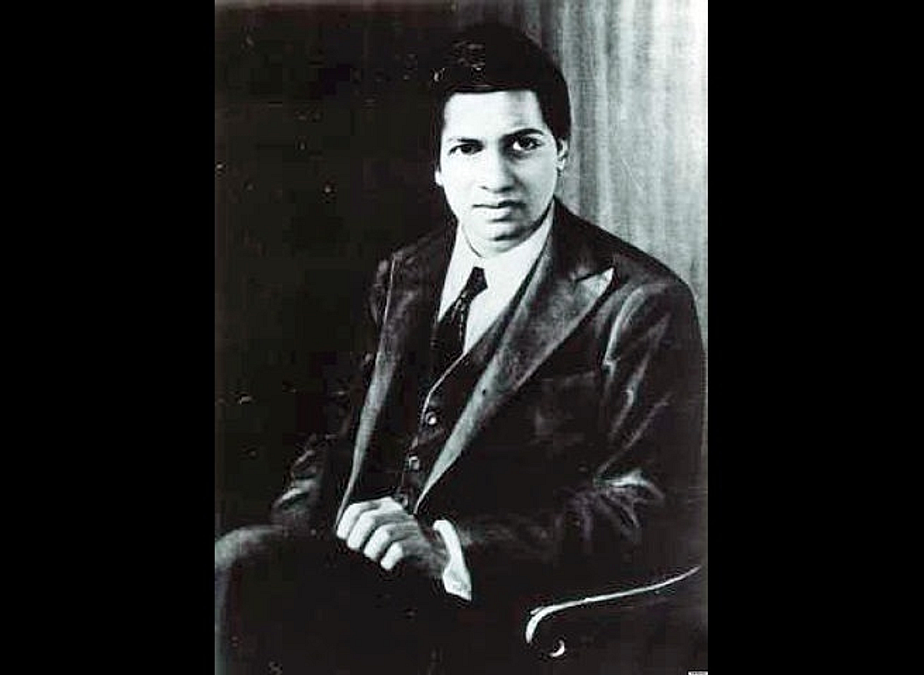
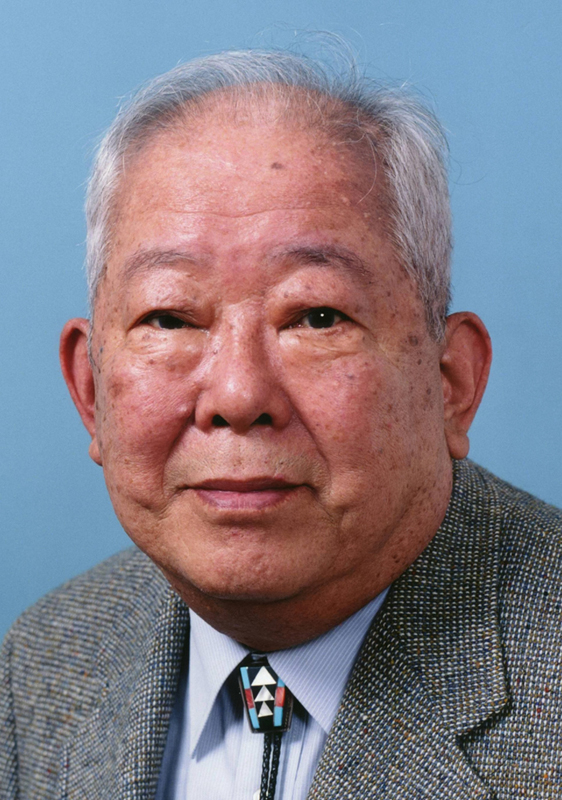
Our Inspirations
For More Information
- The event is Organized in coordination/collaboration with Connect-India Japan https://cijtoday.com/
- Connect India Japan is a leading platform fostering strong India-Japan collaborations in business, culture, tourism, and professional networks. Through exclusive events and strategic partnerships, we connect industry leaders, entrepreneurs, and professionals to drive innovation and growth. As a key force behind impactful India-Japan initiatives, we create opportunities for networking, business expansion, and cultural exchange, shaping a future of shared success.
Useful Links
India-Japan Relations
JAPAN-related
- https://kyoto.travel/en/
- https://www.japan-guide.com/e/e2158.html
- https://www.kyototourism.org/en/
- https://www.usnews.com/education/best-global-universities/japan
- https://www.indembassy-tokyo.gov.in/
Varanasi (India) – Related
E-Books:
- https://www.ecodenet.com/ed2011/kyoto/tourist_guidebook.pdf
- https://uptourism.gov.in/pdf/E-Brochure/Varanasi-Book-opt.pdf
- https://www.rarebooksocietyofindia.org/book_archive/196174216674_10154084357571675.pdf
Weather in Varanasi